
Key Takeaway
Shipping cost cart abandonment is the single biggest conversion killer in e-commerce, responsible for 48% of all abandoned carts — but optimizing delivery speed, pricing transparency, and checkout experience can recover up to 35% of lost sales in 2026.
If you’re searching for ways to fix shipping cost cart abandonment, you’re not alone — it’s the top reason online shoppers walk away at checkout, and it’s only gotten more expensive to ignore as shipping rates, consumer price sensitivity, and delivery expectations all climb heading into 2026. This guide breaks down exactly why shipping cost cart abandonment happens, how to diagnose it in your own store, and the specific tactics — from pricing psychology to checkout UX to automation — that measurably reduce it.
Table of Contents
- Why Shipping Cost Cart Abandonment Is Destroying Your Revenue
- The Psychology Behind Shipping-Related Cart Abandonment
- Analyzing Your Shipping Data to Identify Abandonment Triggers
- Seven Proven Strategies to Reduce Shipping Costs Without Sacrificing Quality
- How to Optimize Delivery Times for Maximum Conversion
- Shipping Transparency: Communicating Costs Early in the Customer Journey
- Automating Shipping Decisions to Reduce Cart Abandonment
- Comparing Shipping Strategies: Which Approach Fights Cart Abandonment Best
- Checkout UX Fixes That Reduce Shipping Cost Cart Abandonment
- Product Page and Visual Merchandising Tactics That Reduce Shipping Anxiety
- Real-World Results: E-Commerce Brands That Solved Shipping Cost Cart Abandonment
- Common Mistakes That Make Shipping Cost Cart Abandonment Worse
- Shipping Cost Cart Abandonment Trends to Watch in 2026
- Frequently Asked Questions
Why Shipping Cost Cart Abandonment Is Destroying Your Revenue
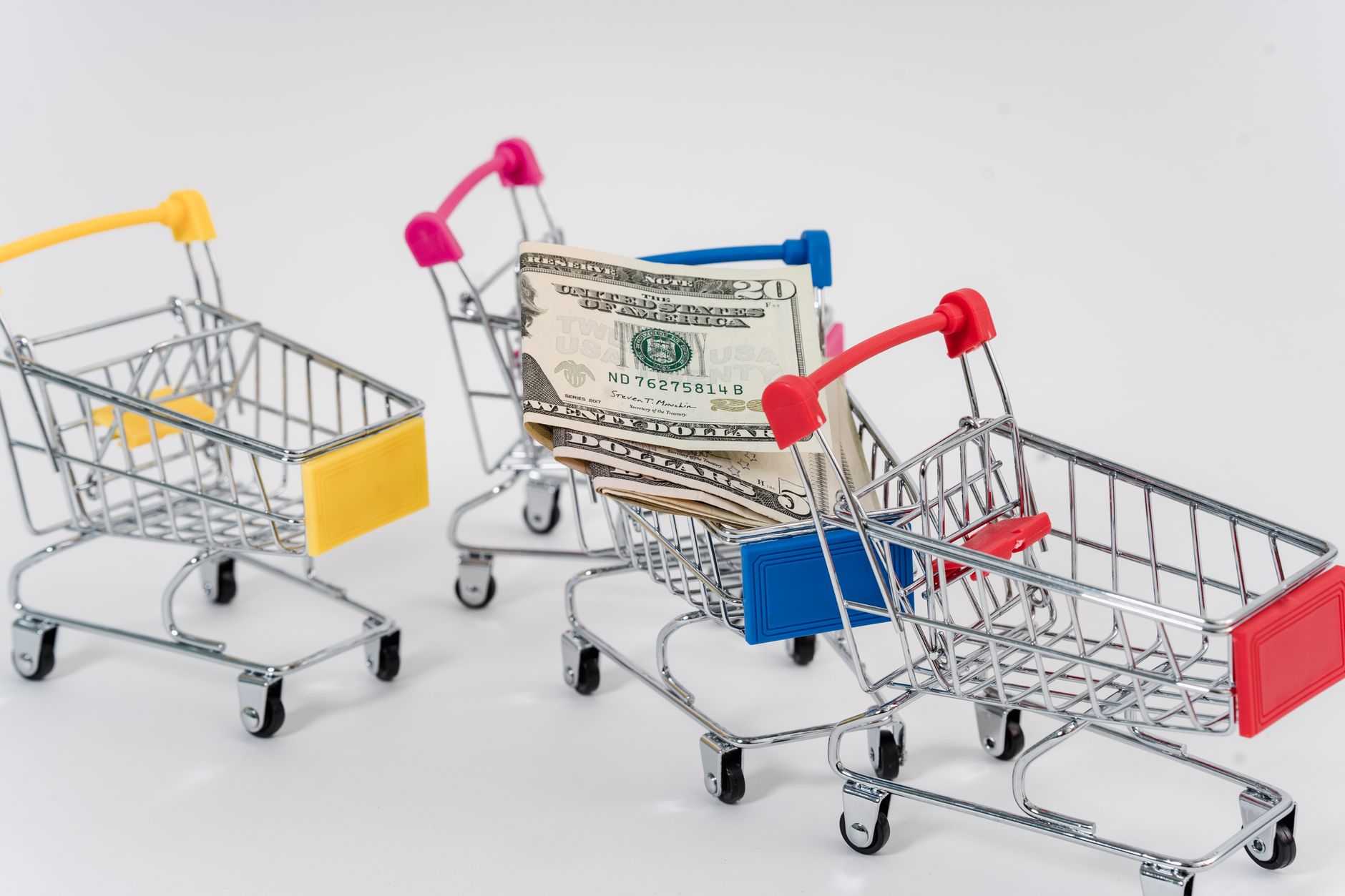
Every e-commerce founder knows the sinking feeling of watching analytics show hundreds of abandoned carts. You’ve invested in product development, marketing campaigns, and conversion optimization — yet shoppers still leave at the final step. The culprit? Shipping costs and delivery times that don’t align with customer expectations. In 2026, with inflation-sensitive consumers and more competition than ever for online attention, shipping cost cart abandonment has only grown more costly to ignore.
Research from the Baymard Institute reveals that unexpected shipping costs cause 48% of cart abandonment, making it the single largest conversion killer in e-commerce. When customers reach checkout and encounter shipping fees they didn’t anticipate, or delivery timelines that don’t meet their needs, they abandon their purchase and often never return. Updated 2026 survey data from Statista and Shopify’s annual commerce report confirms this trend has held steady — and in some verticals, like apparel and home goods, shipping-related abandonment has actually increased as consumers have grown more price-conscious.
The shipping cost cart abandonment problem compounds when you consider that 63% of online shoppers check shipping costs before adding items to their cart. If your shipping strategy isn’t competitive, you’re losing customers before they even begin the checkout process. This isn’t just about the immediate lost sale — it’s about lifetime customer value, brand perception, and your ability to compete against giants like Amazon that have conditioned consumers to expect fast, free shipping.
But here’s the reality: you can’t simply absorb all shipping costs without destroying your margins. The solution lies in strategic optimization that balances cost efficiency with customer expectations. Reducing shipping costs for e-commerce requires a data-driven approach that considers carrier negotiations, packaging optimization, and intelligent routing.
It’s also worth noting that shipping cost cart abandonment doesn’t affect every store equally. Stores selling low-margin, low-price items feel the sting of a flat $7.99 shipping fee far more acutely than stores selling premium products where shipping is a rounding error. Understanding where your store sits on this spectrum is the first step toward building a shipping strategy that actually converts rather than one copied from a competitor’s playbook.
Heading into 2026, a few macro factors are making shipping cost cart abandonment even harder to ignore. Major carriers have pushed through another round of general rate increases, fuel surcharges remain volatile, and return rates in categories like apparel and footwear continue to climb — all of which pressure merchants to either raise shipping fees or quietly eat the cost. At the same time, customer patience has shrunk: shoppers compare your checkout experience not just to competitors in your niche, but to Amazon, Shein, and Temu, all of which have normalized free or near-free delivery. This widening gap between what merchants can realistically afford to offer and what customers expect is the real engine behind rising shipping cost cart abandonment rates.
The Psychology Behind Shipping-Related Cart Abandonment
Understanding why shipping costs trigger cart abandonment requires examining the psychological factors at play during the online shopping experience. Unlike in-store purchases where the total cost is immediately apparent, online shopping creates a mental separation between product value and final price.
The Anchoring Effect and Sticker Shock
When shoppers browse your product pages, they anchor their purchase decision to the displayed price. This becomes their mental reference point. When they reach checkout and see additional shipping fees, their brain processes this as a price increase — even though shipping was always going to be part of the transaction. This cognitive dissonance creates friction that often results in abandonment.
A study by MIT found that shoppers are more sensitive to shipping costs than to equivalent product price increases. Raising a product price by $10 has less psychological impact than showing a $10 shipping fee, even though the final cost is identical. This phenomenon explains why “free shipping” with a higher product price often outperforms transparent pricing that separates product and shipping costs.
“Customers don’t mind paying for shipping — they mind being surprised by it at checkout.”
The Immediacy Bias in Delivery Expectations
Modern consumers have been conditioned to expect instant gratification. Amazon Prime’s two-day (and increasingly same-day) delivery has fundamentally shifted baseline expectations for online shopping. When your checkout page shows a 7-10 day delivery window, customers experience a psychological cost beyond the monetary shipping fee — they’re paying with time, and that feels expensive.
Research from Convey shows that 47% of shoppers have abandoned a cart specifically because the delivery time was too long, even when shipping was free. This reveals that shipping cost cart abandonment isn’t solely about money — it’s about the perceived total cost including time investment.
Loss Aversion and the “Free Shipping” Trigger
Behavioral economists have long documented that humans weigh losses roughly twice as heavily as equivalent gains. When a customer sees a shipping fee added at checkout, their brain registers it as a loss relative to the price they mentally committed to on the product page. This is why strategically framing shipping as “earned” (e.g., “You’re $12 away from free shipping”) converts better than simply displaying a flat fee — it reframes the transaction from a loss into an achievable gain.
Trust Signals and Perceived Risk
Shipping cost cart abandonment is also tied closely to trust. Shoppers who aren’t confident a store will deliver as promised are far more likely to bail at the first sign of friction — including an unexpected fee. Professional product photography, high-resolution images, and consistent visual branding all signal legitimacy and reduce the perceived risk of a transaction. Stores using tools like an AI Product Photography generator to create clean, consistent, studio-quality listings tend to see lower bounce rates at the product page level, which gives shipping-cost messaging more room to do its job later in the funnel — customers who trust the brand are more forgiving of a shipping fee than customers who are already on the fence.
Key Takeaway
Shipping optimization must address both cost and speed simultaneously — focusing on only one dimension leaves conversion opportunities on the table.
Analyzing Your Shipping Data to Identify Abandonment Triggers
Before implementing solutions, you need to understand exactly where and why customers abandon due to shipping issues. This requires collecting and analyzing specific data points that reveal patterns in customer behavior.
Essential Metrics to Track
Start by segmenting your cart abandonment data to isolate shipping-related exits. Your analytics should track:
- Checkout abandonment by shipping method: Which delivery options cause the highest drop-off rates?
- Geographic abandonment patterns: Are certain regions experiencing higher abandonment due to shipping costs or delivery times?
- Cart value vs. shipping cost ratio: At what point does shipping cost become prohibitive relative to order value?
- Time-to-delivery sensitivity: How do abandonment rates change based on estimated delivery windows?
- Shipping cost surprise factor: How many customers abandon after seeing shipping costs for the first time at checkout?
Use heatmap tools and session recordings to observe exactly when customers disengage during the checkout process. If you see consistent patterns of users viewing shipping costs and then closing the tab, you’ve identified a critical friction point.
Building a Shipping Performance Dashboard
Create a centralized dashboard that tracks shipping KPIs alongside conversion metrics. This should include:
| Metric | Why It Matters | Target Benchmark (2026) |
|---|---|---|
| Checkout abandonment rate | Overall health check of the funnel | Below 65% |
| Shipping page exit rate | Isolates shipping as the specific friction point | Below 15% |
| Average shipping cost as % of AOV | Signals whether pricing is proportionate | Under 10% |
| Free shipping threshold attainment | Measures how many carts qualify for free shipping | 40%+ of orders |
| Delivery estimate accuracy | Builds trust and reduces post-purchase anxiety | 95%+ on-time |
Most modern platforms — Shopify, BigCommerce, WooCommerce with plugins like Metorik, or dedicated analytics tools like Lucky Orange and Hotjar — can surface this data without custom development. For stores processing significant volume, pairing this with a tool like Littledata or Triple Whale gives you shipping-specific funnel breakdowns that generic analytics dashboards miss.
Segmenting by Customer Intent
Not all shipping cost cart abandonment is created equal. First-time visitors who abandon after seeing shipping costs are often price-shopping and comparing you to competitors. Returning customers who abandon at the same point may be reacting to a recent price increase or a shift in their order size. Segment your abandonment data by new vs. returning visitors, device type, and traffic source — paid search traffic tends to be far more shipping-cost-sensitive than organic or email traffic, since paid visitors haven’t yet built trust in your brand.
Seven Proven Strategies to Reduce Shipping Costs Without Sacrificing Quality
Once you understand your abandonment patterns, it’s time to implement targeted strategies. These seven approaches have proven effective across multiple e-commerce verticals in reducing shipping cost cart abandonment.
1. Negotiate Volume-Based Carrier Discounts
Most merchants shipping 50+ packages per month qualify for negotiated rates with UPS, FedEx, or USPS that aren’t publicly advertised. Even smaller shippers can access these discounts through third-party shipping platforms that aggregate volume across multiple merchants, passing along savings of 10-40% off list rates.
2. Implement Zone Skipping for High-Volume Routes
If a significant percentage of your orders ship to specific regions, zone skipping — consolidating shipments and trucking them closer to the destination before handing off to local carriers — can reduce costs by 20-30% on those routes.
3. Optimize Packaging Dimensions
Dimensional weight pricing means oversized packaging costs you money even for lightweight items. Auditing your packaging to match product dimensions as closely as possible can reduce shipping costs by 15-25% without any change in carrier or service level.
4. Introduce a Strategic Free Shipping Threshold
Setting a free shipping threshold 20-30% above your average order value encourages customers to add items while still covering shipping costs through increased basket size. The key is calculating this threshold carefully — too high, and customers feel manipulated; too low, and you’re giving away margin on orders that would have converted anyway.
5. Use Multi-Carrier Shipping Software
Platforms that automatically compare rates across carriers for each shipment ensure you’re always getting the best price for that specific package weight, dimension, and destination combination. This can reduce overall shipping spend by 10-20% compared to using a single carrier exclusively.
6. Regional Fulfillment Centers
For stores with national or international reach, distributing inventory across multiple fulfillment centers reduces the distance packages travel, cutting both costs and delivery times simultaneously. This directly addresses shipping cost cart abandonment by improving both variables customers care about most.
7. Offer Tiered Shipping Options
Not every customer prioritizes speed. Offering a slower, cheaper option alongside expedited shipping lets price-sensitive customers opt into savings while customers who value speed can pay for it — satisfying both segments rather than forcing a one-size-fits-all approach.
How to Optimize Delivery Times for Maximum Conversion
Speed matters as much as cost in combating shipping cost cart abandonment. Here’s how to tighten your delivery windows without blowing your logistics budget.
Inventory Positioning and Demand Forecasting
Use historical sales data to predict regional demand and position inventory accordingly before peak periods. This reduces the distance — and therefore time — packages need to travel once an order is placed.
Same-Day and Next-Day Partnerships
Partnering with regional carriers or last-mile delivery services in major metro areas allows you to offer same-day or next-day delivery for a subset of your customer base without a full fulfillment network overhaul.
Order Cutoff Time Transparency
Clearly displaying order cutoff times (“Order within 3 hours for same-day dispatch”) creates urgency while setting accurate expectations, reducing the gap between what customers expect and what actually happens.
Real-Time Carrier Transit Data
Rather than relying on static estimates, integrate real-time carrier transit data into your checkout so delivery estimates reflect actual current transit times rather than generic “5-7 business days” placeholders that erode trust when they’re wrong.
Shipping Transparency: Communicating Costs Early in the Customer Journey
One of the most effective — and least expensive — fixes for shipping cost cart abandonment is simply telling customers what shipping will cost before they reach checkout.
<h3