Understanding Amazon FBA vs Self-Fulfillment: What’s the Real Difference?
When you’re building an e-commerce business on Amazon in 2026, one of your most critical decisions comes down to fulfillment strategy. Do you let Amazon handle everything through Fulfillment by Amazon (FBA), or do you maintain control by fulfilling orders yourself? This fba vs self fulfillment cost comparison determines not just your profit margins, but your entire operational model, your cash flow cycle, and how fast you can scale.
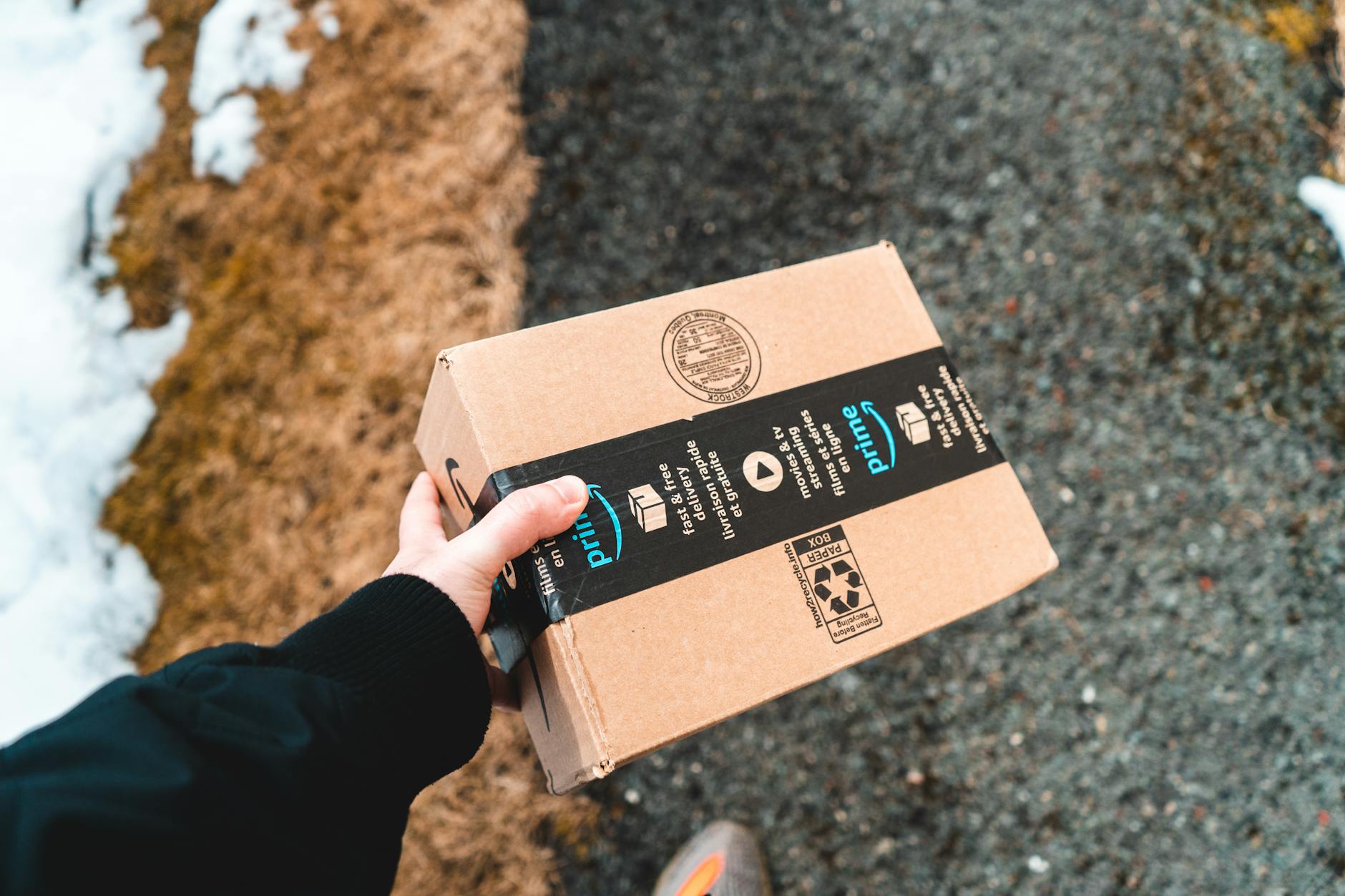
Amazon FBA means you ship your inventory to Amazon’s warehouses, and they handle storage, picking, packing, shipping, customer service, and returns. You pay fees for these services, but you gain access to Amazon Prime eligibility and the trust that comes with Amazon’s logistics network. In 2026, FBA also increasingly means access to Amazon’s expanding same-day and next-day delivery zones, which continue to grow as Amazon builds out more regional sortation centers.
Self-fulfillment (also called Fulfillment by Merchant or FBM) means you store inventory in your own space—whether that’s a garage, warehouse, or third-party logistics provider—and you handle every order yourself. You control the entire customer experience, but you’re also responsible for every operational detail, from packaging to carrier negotiations to customer service tickets at 11 p.m.
The choice isn’t always obvious. A seller moving 50 units monthly faces completely different economics than one shipping 5,000 units. Product dimensions matter enormously—a small jewelry item has radically different storage costs than a large home goods product. And your growth trajectory changes the calculation entirely. This is why any serious fba vs self fulfillment cost comparison needs to account for your specific product category, order volume, and growth stage rather than relying on generic averages.
“The right fulfillment model at 100 orders per month can become the wrong one at 1,000 orders per month—and switching mid-growth is expensive.”
It’s also worth noting that this decision isn’t permanent or exclusive. Many of the most successful Amazon sellers in 2026 run blended models—using FBA for their bestsellers while self-fulfilling slower-moving SKUs or oversized items where FBA fees don’t make sense. We’ll cover that hybrid strategy later in this guide, but first, let’s build a complete, numbers-driven fba vs self fulfillment cost comparison so you can see exactly where your money goes under each model.
The Complete Cost Breakdown: FBA vs Self-Fulfillment

Let’s start with the numbers that most directly impact your bottom line. Understanding the true fba vs self fulfillment cost comparison requires looking at every fee category, not just the obvious ones.
Amazon FBA Fee Structure in 2026
FBA fees break down into several categories that compound quickly:
| Fee Type | Cost Range | What It Covers |
|---|---|---|
| Fulfillment Fees | $3.30 – $8.60+ per unit | Picking, packing, shipping, customer service |
| Monthly Storage | $0.90 – $2.50 per cubic foot | Warehouse space (varies by season) |
| Long-term Storage | $7.10 per cubic foot | Items stored 271+ days |
| Removal/Disposal | $0.55 – $1.45 per unit | Returning or destroying inventory |
| Inbound Placement | $0.28 – $1.65 per unit | Distributing inventory across warehouses |
| Low-Inventory-Level Fee | $0.04 – $0.08 per unit | Applies when stock levels fall below Amazon’s target weeks of cover |
For a standard small item (under 1 lb, under 15″ x 12″ x 0.75″), you’re looking at approximately $3.30 per fulfillment in 2026. A large standard item (1-2 lbs, under 18″ x 14″ x 8″) runs around $5.30. Oversized items can exceed $10.50 per unit, and bulky furniture-style items can run $20+ per unit once you factor in special handling.
Storage costs escalate during Q4 (October-December) when Amazon nearly triples monthly storage fees to handle holiday demand. A product occupying 1 cubic foot costs roughly $0.90/month from January-September, but jumps to around $2.50/month during peak season. Sellers with slow-moving inventory need to model this seasonal spike carefully, because it can erase a full month of profit margin if stock sits too long going into the holidays.
Self-Fulfillment Cost Structure
Self-fulfillment costs are more variable and depend heavily on your setup:
If using your own space: $0-$550/month depending on whether you’re using a spare room, renting a storage unit, or leasing warehouse space. Third-party fulfillment: $55-$220 per pallet per month.
Direct carrier rates: $4.25-$12.50 per package for domestic ground shipping, depending on weight, zone, and negotiated rates. International shipping adds significant complexity and cost. Using a multi-carrier platform instead of retail rates can shave 10-30% off these numbers at moderate volume.
Boxes, bubble wrap, tape, labels: $0.55-$2.10 per order depending on product size and protection requirements.
Your time or employee wages: $16-$27/hour for picking, packing, and shipping. At scale, this becomes your largest variable cost, and it’s the one most new sellers underestimate.
Shipping software, inventory management, label printers: $50-$320/month. Tools like shipping automation software can streamline operations significantly, and platforms like ShipPost help consolidate multi-carrier rate shopping, batch label printing, and inventory sync into one dashboard instead of juggling five separate tools.
The critical insight: self-fulfillment costs scale linearly with volume, while FBA costs include fixed components that become more efficient at higher volumes. However, FBA’s per-unit costs are generally higher, meaning there’s a crossover point where self-fulfillment becomes more expensive. We’ll calculate that crossover point precisely in the volume analysis section below.
FBA vs Self Fulfillment Cost Comparison: Side-by-Side Table
Before diving deeper into hidden costs and volume thresholds, here’s a direct side-by-side fba vs self fulfillment cost comparison across the factors that matter most to sellers evaluating their options in 2026.
| Factor | Amazon FBA | Self-Fulfillment (FBM) |
|---|---|---|
| Avg. cost per small/medium order | $6.50 – $11.00 (fulfillment + storage prorated) | $6.75 – $9.40 (shipping + packing + labor) |
| Upfront investment | Low — no warehouse or staff needed | Higher — space, software, possible staff |
| Prime eligibility | Yes, automatic | Only via Seller Fulfilled Prime (strict SLAs) |
| Customer service | Handled by Amazon | Handled by you or your team |
| Control over packaging/branding | Limited (standard Amazon boxes) | Full control — branded inserts, custom boxes |
| Returns handling | Automated by Amazon (fees apply) | Manual — you inspect, restock, refund |
| Best for | Fast movers, standard-size items, scaling sellers | Low-volume, oversized, custom, or high-margin niche items |
| Scalability | High — Amazon absorbs volume spikes | Limited by your own space and labor |
| Risk of stranded/long-term fees | Yes, especially Q4-related | No Amazon storage fees, but your own overhead continues |
As this table shows, there’s rarely a universal winner in the fba vs self fulfillment cost comparison — it depends on your product’s size, velocity, and your appetite for operational work.
Hidden Costs Most Sellers Miss
Raw fee schedules only tell part of the story. A complete fba vs self fulfillment cost comparison has to include the costs that don’t show up on an invoice until months later.
Hidden FBA Costs
- Inventory prep and labeling: Poly-bagging, FNSKU labeling, and bundling fees can add $0.30-$1.20 per unit if you don’t prep inventory yourself before shipping it in.
- Inbound shipping to Amazon: Getting your inventory to Amazon’s fulfillment centers isn’t free — freight and LTL costs for larger shipments can run hundreds to thousands of dollars per shipment.
- Storage during slow seasons: If a SKU doesn’t sell as fast as projected, storage fees quietly eat into margin every month it sits.
- Unplanned service fees: Amazon has introduced additional fees over the past few years for things like returns processing on apparel and for inventory that doesn’t meet certain performance thresholds.
- Account suspension risk: A policy violation or IP complaint can freeze inventory and cash flow for weeks — a cost that’s hard to quantify but very real.
Hidden Self-Fulfillment Costs
- Your own time: Many solo sellers don’t pay themselves an hourly wage when calculating margins, which disguises how much fulfillment really costs.
- Returns and damage: Without Amazon’s returns infrastructure, you absorb more of the labor and sometimes the loss from damaged or fraudulent returns.
- Software stack creep: A shipping tool here, an inventory tool there, a separate label printer subscription — these add up to more than sellers expect.
- Carrier rate increases: Major carriers raise rates annually (often 5-7%), and without negotiated volume discounts, self-fulfillers absorb the full increase.
- Opportunity cost: Every hour spent packing boxes is an hour not spent on product research, advertising optimization, or expanding your catalog.
One additional hidden cost worth calling out: product photography and listing quality. Whether you fulfill via FBA or FBM, winning the Buy Box and converting browsers into buyers depends heavily on how your listings look. Sellers who skip professional photography often see lower conversion rates regardless of fulfillment method, which indirectly raises your effective cost per sale. Tools like an AI Background Remover or an AI Product Photography generator can help you produce clean, professional-looking listing images without hiring a studio — a detail that affects your bottom line just as much as shipping costs do.
Volume Analysis: Where’s Your Break-Even Point?
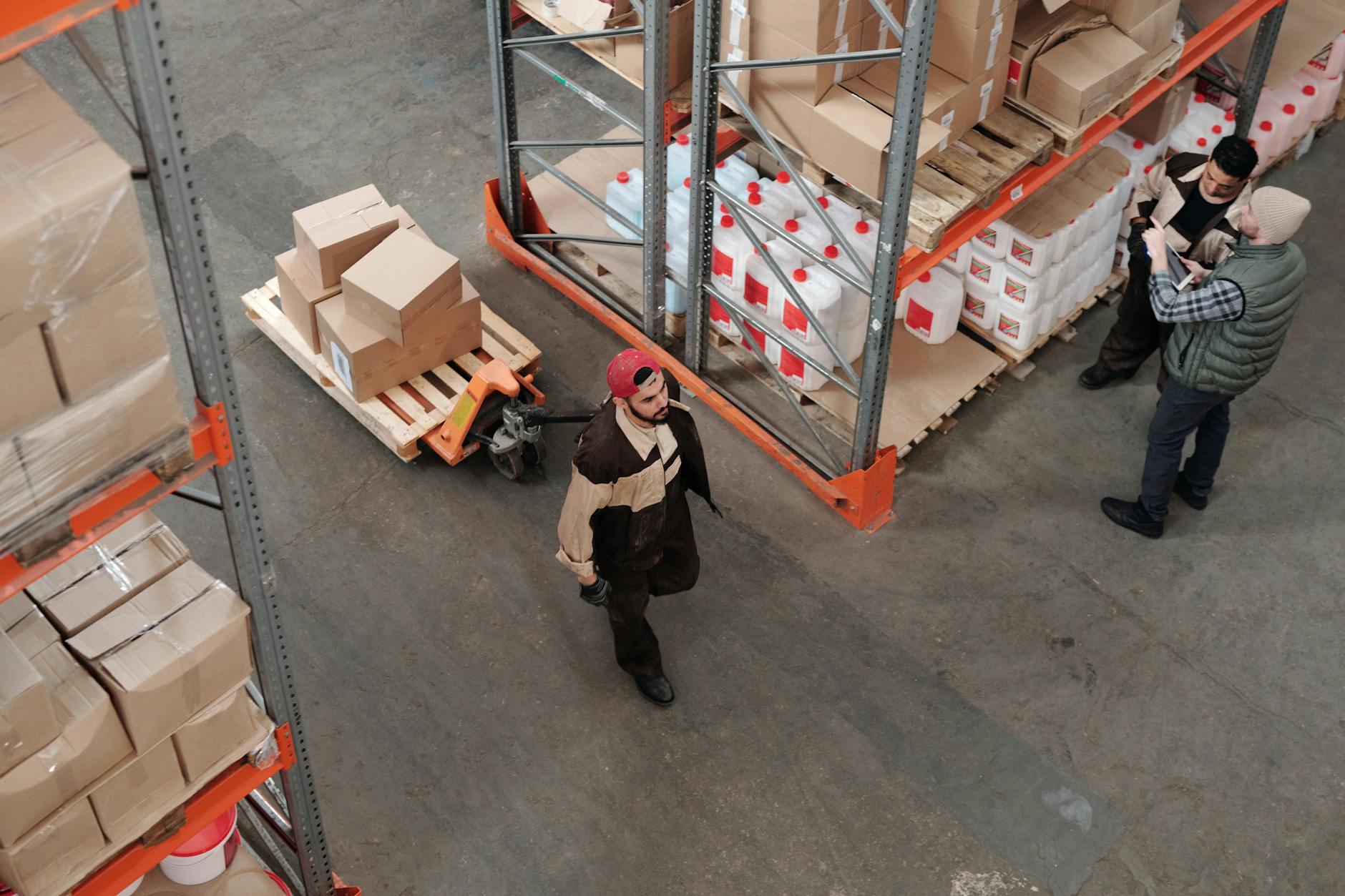
Numbers matter more than opinions here. Let’s model three seller profiles to see how the fba vs self fulfillment cost comparison shifts with volume.
Low Volume: 50-150 orders/month
At this stage, self-fulfillment is usually cheaper on a per-order basis because you’re not paying for warehouse storage you don’t fully need, and your labor cost is often your own time rather than a paid employee. FBA’s fixed cost