Why Real-Time Shipment Tracking Software Dramatically Reduces Support Volume

Every e-commerce business owner knows the frustration: your customer support inbox fills with variations of the same question — “Where is my order?” These inquiries consume valuable time, require manual carrier lookups, and often lead to frustrated customers who feel left in the dark about their purchases.
Real time shipment tracking software eliminates this bottleneck by giving customers instant access to their order status without requiring human intervention. When customers can check their package location at any time through a branded tracking page, the need to contact support drops precipitously.
According to recent industry data, order status inquiries account for 35-45% of all customer support tickets in e-commerce. For a business processing 1,000 orders monthly, that translates to 350-450 preventable support interactions. At an average handling time of 8 minutes per ticket and a support cost of $15-25 per contact, you’re looking at $5,250-$11,250 in monthly support costs just for answering “where’s my order” questions.
The impact extends beyond simple cost savings. When your support team spends less time on routine tracking inquiries, they can focus on complex issues that genuinely require human expertise — product questions, returns processing, and relationship-building interactions that drive customer loyalty.
Modern real-time package tracking systems integrate directly with your e-commerce platform and multiple shipping carriers, creating a unified tracking experience regardless of which courier handles the delivery. This eliminates the confusion that occurs when customers receive tracking numbers without context or when different carriers require different lookup processes.
Heading into 2026, the expectations around delivery visibility have only intensified. Consumers who grew accustomed to Amazon-style precision — down-to-the-hour delivery windows, live map tracking, and instant carrier updates — now apply that same standard to every online purchase, regardless of store size. Businesses that fail to meet this expectation with real time shipment tracking software risk losing customers not because of a bad product, but because of an anxiety-inducing post-purchase experience.
Why “Good Enough” Tracking No Longer Works
Many merchants still rely on basic carrier-provided tracking links pasted into a confirmation email. This approach technically provides tracking information, but it fails to reduce support volume for several reasons:
- Fragmented experience: Customers are redirected to unfamiliar carrier websites with confusing interfaces and no branding, which erodes trust in the exact moment they’re seeking reassurance.
- Delayed status updates: Many carrier tracking pages only refresh every 12-24 hours, leaving customers checking repeatedly and eventually giving up and emailing support instead.
- No proactive alerts: Passive tracking links require customers to check manually. Without push notifications, most customers won’t check until they’re already anxious — at which point they’re more likely to open a support ticket than wait.
- Multi-carrier confusion: Businesses that ship via multiple carriers (USPS, UPS, FedEx, DHL, regional couriers) force customers to learn different tracking systems for different orders.
True real time shipment tracking software solves each of these problems by consolidating tracking data from every carrier into one branded, continuously updated interface — often refreshing status every few minutes rather than once a day.
The True Cost of “Where Is My Order” Tickets
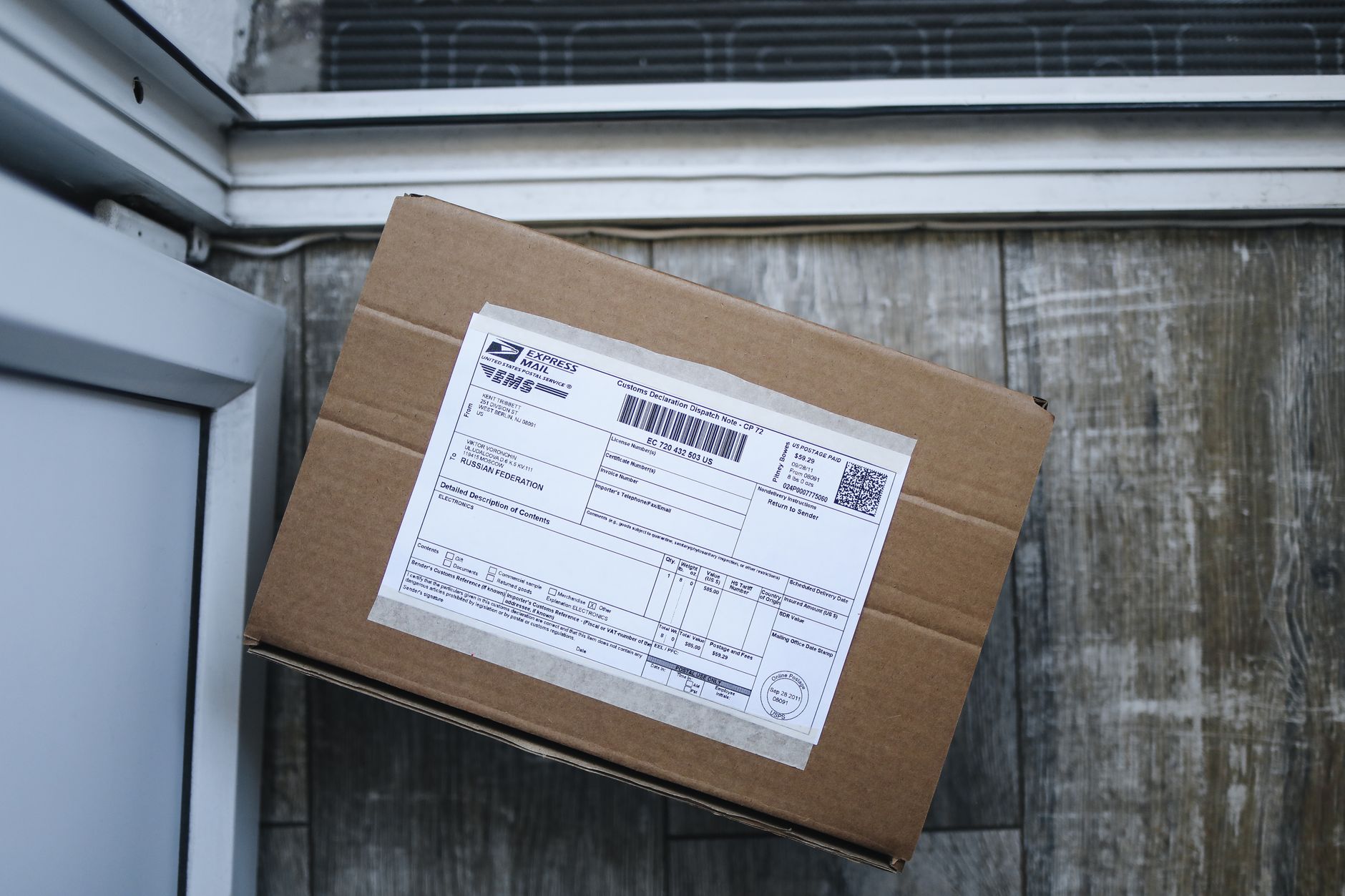
Understanding the full financial impact of order tracking inquiries requires looking beyond the obvious support labor costs. The true expense includes several hidden factors that compound over time.
Direct Support Costs
The most visible expense is the time your support team spends handling tracking inquiries. A typical “where is my order” ticket involves:
- Locating the order in your system (1-2 minutes)
- Finding the tracking number and carrier information (1-2 minutes)
- Looking up the current status on the carrier’s website (2-3 minutes)
- Composing and sending a response to the customer (2-3 minutes)
- Following up if the customer has additional questions (3-5 minutes for 30% of tickets)
This 8-15 minute process, multiplied across hundreds of tickets monthly, represents significant labor expense. For a small team, it can consume 40-60% of available support hours.
Opportunity Costs
Every minute spent on tracking inquiries is time not spent on revenue-generating activities. Your support team could be:
- Upselling complementary products during support interactions
- Resolving complex issues that prevent customer churn
- Creating help documentation that prevents future tickets
- Building relationships with high-value customers
“The most expensive support ticket isn’t the one that takes the longest to resolve — it’s the preventable one that never should have reached your team in the first place.”
Customer Experience Degradation
When customers must contact support to get basic order information, it signals operational immaturity. This friction point affects:
- Customer satisfaction scores: Tracking-related tickets typically receive 20-30% lower CSAT ratings than other support interactions
- Repeat purchase rates: Customers who contact support about order status are 15-25% less likely to make a second purchase
- Review sentiment: Lack of tracking visibility frequently appears in negative reviews, impacting conversion rates for new customers
| Cost Category | Monthly Impact (1,000 orders) | Annual Impact |
|---|---|---|
| Direct support labor | $5,250-$11,250 | $63,000-$135,000 |
| Lost upsell opportunities | $2,100-$4,500 | $25,200-$54,000 |
| Customer churn impact | $3,500-$7,200 | $42,000-$86,400 |
| Total estimated cost | $10,850-$22,950 | $130,200-$275,400 |
These numbers make the ROI case for implementing automated tracking abundantly clear. Even a modest reduction in tracking-related tickets generates substantial savings while improving the customer experience.
How Proactive Tracking Notifications Prevent Support Escalations
The most effective real time shipment tracking software doesn’t just provide information when customers request it — it proactively communicates order status at key milestones. This anticipatory approach addresses customer concerns before they escalate into support tickets.
Key Takeaway
Proactive tracking notifications reduce anxiety-driven support contacts by keeping customers informed at every stage of the delivery journey, from shipment to doorstep.
Critical Notification Touchpoints
Effective tracking automation sends updates at specific moments in the delivery lifecycle:
Immediate notification with expected processing time and estimated delivery window sets clear expectations from the start.
A confirmation that the order has left the warehouse, including the carrier name and tracking number, reassures customers the process is moving forward.
Automated alerts at major checkpoints (arrival at sorting facility, customs clearance, out-for-delivery) prevent customers from wondering if their package has stalled.
If a delay, weather disruption, or address issue occurs, proactively notifying the customer — with an explanation and revised ETA — prevents a wave of frustrated “what happened” tickets.
A final notification confirming successful delivery, ideally with a photo (if the carrier supports it), closes the loop and reduces “did it arrive” questions.
Businesses that implement all five touchpoints report the steepest drop in support volume, because customers rarely feel the need to check manually — the information arrives before the anxiety does.
How to Choose the Right Real Time Shipment Tracking Software
Not all tracking platforms are built the same, and choosing the wrong one can leave you with the same support burden you started with. Here’s what actually matters when evaluating real time shipment tracking software for an e-commerce operation.
Must-Have Features
- Multi-carrier support: Native integrations with USPS, UPS, FedEx, DHL, and regional/last-mile couriers (OnTrac, LaserShip, Australia Post, Canada Post, Royal Mail, etc.) so every order lands in one dashboard.
- Branded tracking pages: A tracking experience hosted on your own domain, styled with your logo and colors, rather than redirecting to a generic carrier page.
- Automated notifications: Email and SMS alerts triggered by status changes, configurable at each milestone described above.
- Proactive exception detection: Automatic flagging of delayed, stuck, or misrouted shipments before the customer notices.
- Analytics and reporting: Visibility into carrier performance, average delivery times, and exception rates so you can make data-driven shipping decisions.
- E-commerce platform integrations: Native or app-based connections to Shopify, WooCommerce, BigCommerce, and Magento, so tracking data syncs automatically with orders.
- Post-purchase upsell space: The best platforms turn the tracking page into a marketing surface — showcasing related products, review requests, or loyalty offers.
Comparison: Popular Tracking Software Options in 2026
| Platform | Best For | Branded Tracking Pages | Multi-Carrier Coverage | Starting Price |
|---|---|---|---|---|
| ShipPost | SMBs & growing D2C brands | Yes, fully customizable | 100+ carriers | Free tier available |
| AfterShip | Mid-market Shopify stores | Yes | 1,100+ carriers | $/month, tiered |
| Narvar | Enterprise retailers | Yes | Extensive, custom onboarding | Custom/enterprise pricing |
| Trackingmore | Budget-conscious startups | Limited customization | 900+ carriers | Low-cost entry plans |
| Carrier-native tracking | Very low order volume | No | Single carrier only | Free |
While enterprise solutions like Narvar offer extensive customization, most small-to-midsize e-commerce brands find that lighter-weight platforms deliver 90% of the support-cost benefits at a fraction of the price and setup time. The key is prioritizing branded pages and proactive notifications over marginal feature differences.
Beyond Support Savings: Additional Business Benefits
While reducing support tickets is the headline benefit, businesses that adopt real time shipment tracking software often uncover secondary advantages that compound over time.
Marketing and Revenue Opportunities
Tracking pages are among the most-visited pages on an e-commerce site post-purchase — often checked multiple times per order. Smart brands treat this as prime marketing real estate:
- Cross-sell placements: Product recommendations shown on the tracking page can generate meaningful incremental revenue, since the customer is already in a positive, engaged mindset.
- Review generation: Timing a review request to coincide with the delivery confirmation notification captures feedback while the experience is fresh.
- Referral and loyalty prompts: A satisfied customer checking their tracking page is a warm audience for referral program invitations.
Brands looking to make the tracking page and related marketing emails feel more polished can also strengthen their visual presentation. For instance, using an AI Product Photography tool to generate clean, consistent product images for cross-sell sections ensures the tracking page doesn’t feel like an afterthought — it becomes a genuine extension of your brand.
Operational Intelligence
Centralizing tracking data also gives operations teams visibility they wouldn’t otherwise have:
<ul style="line-height: