

# Table of Contents
1. [Why UGC Video Testimonials Outperform Traditional Marketing](#why-ugc-video-testimonials-outperform)
2. [The Anatomy of a High-Converting UGC Video Testimonial](#anatomy-high-converting-ugc-testimonial)
3. [How to Find and Recruit the Right Customers for Video Testimonials](#find-recruit-customers)
4. [Equipment and Setup: What Your Customers Actually Need](#equipment-setup)
5. [The Video Brief That Gets Results](#video-brief-results)
6. [Editing UGC Videos Without Losing Authenticity](#editing-ugc-videos)
7. [Where to Use UGC Video Testimonials for Maximum Impact](#where-use-ugc-testimonials)
8. [Measuring ROI: Tracking What Actually Matters](#measuring-roi)
9. [Common Mistakes That Kill UGC Video Performance](#common-mistakes)
10. [FAQ](#faq)
Why UGC Video Testimonials Outperform Traditional Marketing
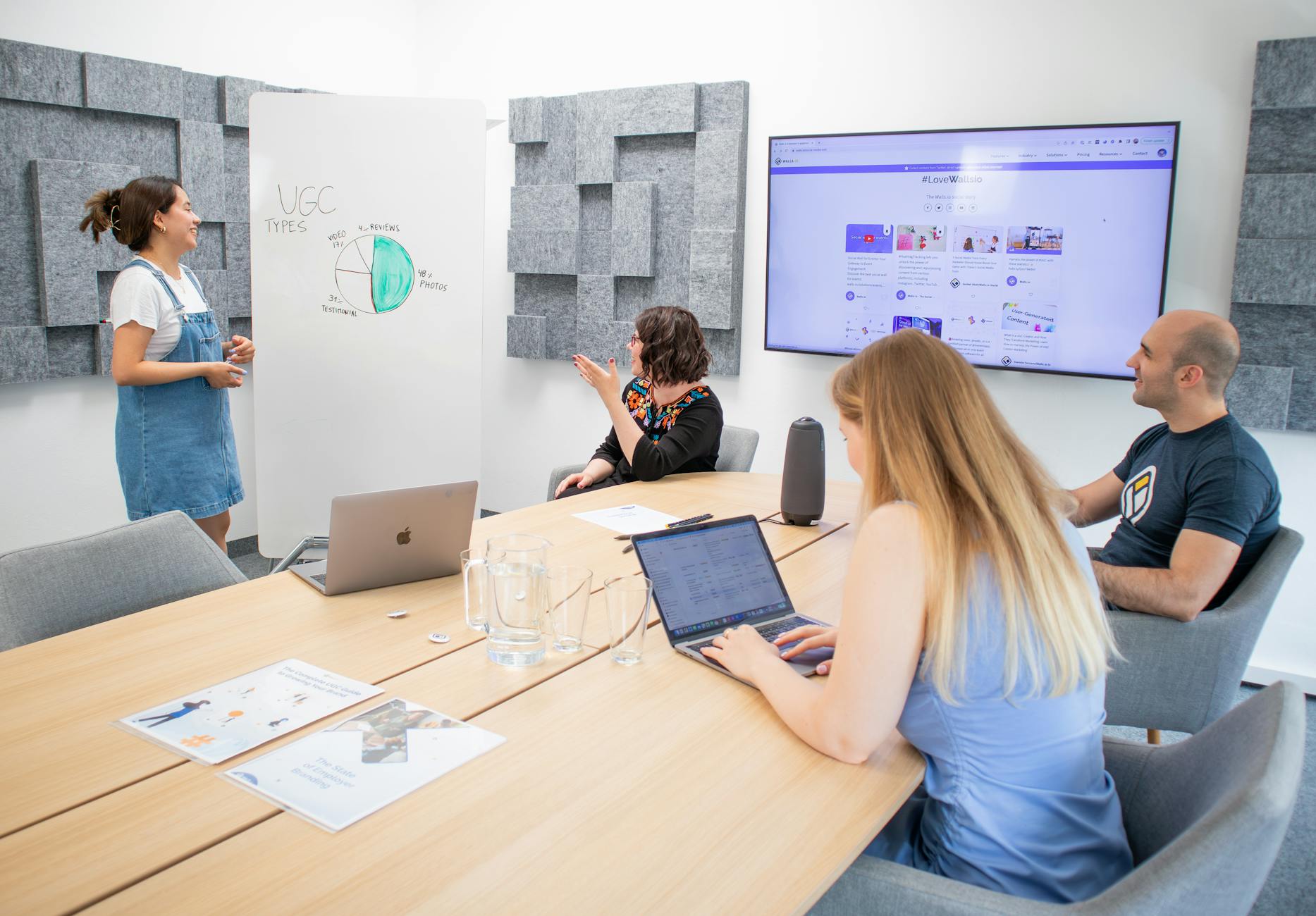
When you create ugc videos for products, you’re tapping into the most powerful form of social proof available to e-commerce brands. Unlike polished brand videos or static testimonials, user-generated content (UGC) video testimonials deliver authenticity that modern consumers demand before making purchase decisions.
The numbers tell a compelling story. According to recent consumer behavior research, 79% of people say user-generated content highly impacts their purchasing decisions, while only 13% say the same about influencer content. Video testimonials specifically convert 34% better than text-based reviews, and brands using UGC video testimonials report an average 40% increase in conversion rates compared to product pages without them.
The shift toward UGC video testimonials reflects a broader change in consumer behavior. Today’s shoppers are skeptical of traditional advertising but trust recommendations from people like themselves. When a real customer shares their experience on camera—showing the product in their home, demonstrating actual use cases, and speaking in their own words—it creates a connection that scripted content simply cannot replicate.
For e-commerce businesses, this matters because video testimonials address the biggest barrier to online purchases: uncertainty. Customers can’t touch, feel, or try products before buying. A genuine video testimonial bridges that gap by showing real results from real people, reducing perceived risk and accelerating purchase decisions.
Key Takeaway
UGC video testimonials convert 34% better than text reviews because they provide visual proof while maintaining the authenticity that modern consumers require before making purchase decisions.
The Anatomy of a High-Converting UGC Video Testimonial
Not all UGC video testimonials perform equally. The most effective ones follow a specific structure that guides viewers from skepticism to conviction. Understanding this anatomy helps you brief customers on what to include without sacrificing authenticity.
The Hook: First 3 Seconds
High-performing UGC testimonials grab attention immediately. The opening should show the product in use or state a bold result: “This coffee maker saved me 20 minutes every morning” or “I was skeptical, but after three weeks…” These hooks work because they present a specific benefit or relatable emotion that keeps viewers watching.
The Problem Statement
Effective testimonials establish the pain point the customer faced before discovering your product. This section creates identification—viewers recognize themselves in the story. A customer might say, “I tried five different phone cases, and they all cracked within weeks” or “My old fulfillment process was costing me 4 hours a day.”
The Discovery and Decision
This brief section explains how the customer found your product and what made them decide to try it. It doesn’t need to be elaborate—a simple “I saw this recommended on Reddit” or “A friend told me about it” works. This validates that real people discover and choose your product through normal channels.
The Experience and Results
The core of any strong testimonial focuses on specific, measurable results. Vague statements like “it’s great” don’t convert. Instead, look for concrete details: “My shipping costs dropped by 23%” or “I can now process 50 orders in the time it used to take for 20.” Visual demonstrations of the product in action during this section dramatically increase credibility.
For businesses managing complex operations like shipping and fulfillment, showing the before-and-after difference becomes even more powerful. This is where tools like real-time shipment tracking can demonstrate tangible improvements in customer experience.
The Recommendation
Strong testimonials close with a clear recommendation. The customer should explicitly state who would benefit from the product and why. “If you’re running an online store and drowning in shipping logistics, you need this” is more effective than a generic “I recommend it.”
Grab attention with a specific result or relatable problem statement
Establish the pain point that made them search for a solution
Brief explanation of how they found and chose your product
Specific, measurable outcomes with visual product demonstration
Clear statement of who should buy and why
How to Find and Recruit the Right Customers for Video Testimonials

The quality of your UGC video testimonials depends entirely on selecting the right customers to feature. You’re not looking for your biggest spenders or longest-tenured customers—you’re looking for people with compelling stories and the willingness to share them on camera.
Identify High-Engagement Customers
Start by analyzing your customer data for engagement signals. Look for customers who have:
- Left detailed written reviews (they’re already comfortable sharing opinions)
- Responded to your emails or surveys with enthusiastic feedback
- Shared photos of your product on social media
- Made repeat purchases (indicating genuine satisfaction)
- Referred other customers to your business
These behaviors indicate customers who are naturally enthusiastic about your product and comfortable expressing that enthusiasm publicly. They’re your ideal candidates for video testimonials.
The Outreach Email That Works
When reaching out, be direct about what you’re asking for and what they’ll receive in return. A successful outreach email includes:
- A personalized greeting referencing their specific purchase or feedback
- A clear explanation of what you’re asking (a 30-60 second video about their experience)
- Simple technical requirements (smartphone quality is fine)
- Compensation or incentive (discount, free product, or cash payment)
- Estimated time commitment (usually 15-20 minutes total)
Most successful brands offer $50-$150 for a video testimonial or a significant product credit. This compensates customers for their time while keeping costs manageable compared to hiring actors or influencers.
Key Takeaway
Target customers who have already demonstrated engagement through detailed reviews, social sharing, or enthusiastic email responses—they’re 5x more likely to create compelling video content.
Timing Your Ask
The best time to request a video testimonial is 2-4 weeks after purchase, when the customer has had enough time to experience results but still feels the excitement of their positive outcome. For products with longer usage cycles, wait until customers have completed a meaningful milestone.
For e-commerce businesses using automated fulfillment systems, you can trigger these requests based on customer behavior. When someone leaves a 5-star review or makes a third purchase, that’s your signal to reach out. Tools like automated order fulfillment software can help track these engagement milestones.
Equipment and Setup: What Your Customers Actually Need
One of the biggest barriers to getting UGC video testimonials is customers feeling intimidated by the technical requirements. The reality is that smartphone videos shot in natural light outperform professionally produced content because they feel more authentic.
The Minimal Equipment List
When you create ugc videos for products, your customers need surprisingly little equipment:
| Equipment | Requirement | Why It Matters |
|---|---|---|
| Camera | Any smartphone from the last 3 years | Modern phones shoot 1080p or 4K—more than sufficient |
| Lighting | Natural window light or room lighting | Avoids harsh shadows, keeps authentic feel |
| Audio | Built-in phone mic in quiet room | Clear speech is essential, background noise should be minimal |
| Stabilization | Prop phone against books/wall, or basic tripod | Prevents shaky footage that’s distracting |
Setting Up the Shot
Guide your customers to position themselves in a well-lit area facing a window (but not directly in front of it). The camera should be at eye level, about 2-3 feet away, filming in horizontal orientation. This creates a natural, conversational feel without requiring any technical expertise.
For product demonstrations, customers should show the product in use from their natural environment. A kitchen gadget should be filmed in the kitchen, a shipping solution should show the actual dashboard or warehouse setup, and a fashion item should be worn in natural lighting.
The background matters more than most people think. A cluttered or distracting background pulls attention away from the testimonial. Advise customers to choose a clean, simple background—a plain wall, a tidy bookshelf, or an uncluttered room works perfectly.
“The best UGC testimonials look like they were filmed in someone’s home because they were—that authenticity is what makes them convert.”
The Video Brief That Gets Results

The difference between a mediocre UGC testimonial and one that drives sales is often the quality of your brief. You need to provide enough structure to ensure customers cover key points while leaving room for their authentic voice and personality.
Creating Your Testimonial Brief Template
A high-converting brief includes three elements: suggested talking points, specific questions to answer, and examples of what good looks like.
Start with 3-5 talking points that guide the narrative without scripting it:
- What problem were you trying to solve when you found our product?
- What specific results have you seen? (Include numbers if possible)
- What surprised you most about using the product?
- Who would you recommend this product to and why?
- Show the product in action or demonstrate a key feature
These prompts work because they elicit specific, detailed responses rather than generic praise. When customers answer “What surprised you most?” they often share unexpected benefits that resonate strongly with prospects facing similar challenges.
What Not to Include
Avoid giving customers a script to read. Scripted testimonials sound forced and lack the natural speech patterns that make UGC compelling. Similarly, don’t provide a list of features you want mentioned—let customers focus on the benefits that mattered most to them.
Don’t ask customers to compare your product to competitors by name. This creates legal concerns and makes the testimonial feel less authentic. Instead, let them naturally reference their previous solutions (“I used to spend hours manually processing shipments”).
Example Brief Structure
Here’s a proven brief structure that generates high-quality testimonials:
Introduction: “Hi [Name], thanks for agreeing to share your experience! We’re looking for a casual, 30-60 second video where you talk about how [Product] has helped your business. Think of this as telling a friend about something that worked for you—no need to be formal or rehearsed.”
What to Cover: “Please touch on these points in your own words:
– The challenge you were facing before using [Product]
– What made you decide to try it
– The specific results you’ve seen (numbers are great if you have them)
– Who else you think would benefit from it”
Technical Notes: “Film horizontally on your smartphone in a well-lit room. Prop your phone against something stable or use a basic tripod. Natural lighting from a window works great—just don’t film directly in front of it.”
What We’ll Do: “We’ll handle all editing and may add captions. You’ll see the final version before we publish it anywhere. Your $100 Amazon gift card will be sent within 48 hours of receiving your video.”
This brief provides clear direction while maintaining the casual, authentic tone that makes UGC effective.
Key Takeaway
Effective video briefs provide 3-5 question prompts that elicit specific results and stories, rather than scripts that create forced, inauthentic testimonials.
Editing UGC Videos Without Losing Authenticity
The editing phase is where many brands accidentally strip away the authenticity that makes UGC testimonials effective. Your goal is to enhance clarity and pacing without making the video feel produced or artificial.
The Minimal Editing Approach
Start by trimming dead air and false starts. Most customers will have a few seconds of silence before they begin speaking or will restart a sentence mid-thought. Remove these without cutting into the actual testimonial content.
Add captions to every video. Studies show that 85% of social media videos are watched without sound, and captions increase view completion rates by 40%. Use a simple, readable font in white or yellow with a black background for maximum legibility.
Color correction should be subtle—adjust exposure and white balance to make the video clear, but don’t apply heavy filters or effects that make it look professionally produced. The slightly imperfect quality of smartphone footage actually reinforces authenticity.
What to Keep vs. What to Cut
Keep natural speech patterns, including brief pauses and conversational filler words like “you know” or “actually.” These make testimonials feel like real conversations rather than rehearsed presentations. However, remove excessive “ums” and long pauses that disrupt the flow.
Keep any genuine emotion—laughter, excitement, or even frustration when describing the problem they faced. These emotional moments create connection with viewers and make testimonials memorable.
Cut any sections where the customer goes off-topic or provides information that doesn’t serve your conversion goals. If someone spends 20 seconds discussing shipping options when the key message is about time savings, trim the shipping discussion to 5 seconds.
Adding Context Without Overproduction
Consider adding simple text overlays to highlight key statistics or results mentioned in the testimonial. If a customer says “I cut my fulfillment time in half,” a text overlay showing “50% Faster Fulfillment” reinforces that specific benefit.
For e-commerce brands, showing product images or interface screenshots while the customer speaks can help viewers visualize what’s being described. This works particularly well for software or digital products where the visual component clarifies the testimonial.
When creating content about complex topics like logistics automation, these visual aids help translate abstract benefits into concrete understanding.
Length Optimization
Different platforms require different video lengths:
- Website product pages: 45-90 seconds (comprehensive but scannable)
- Instagram/TikTok: 15-30 seconds (hook + result + CTA)
- YouTube ads: 30-60 seconds (problem + solution + proof)
- Email campaigns: 30-45 seconds (focused on one key benefit)
Create a master cut of each testimonial, then edit platform-specific versions that maintain the core message while fitting platform expectations. The 15-second Instagram version might just be the hook and result, while the 90-second website version includes the full story.
Where to Use UGC Video Testimonials for Maximum Impact

Creating compelling UGC video testimonials is only half the battle—strategic placement determines whether they actually drive conversions. Different touchpoints in your customer journey require different testimonial approaches.
Product Pages: The Conversion Catalyst
Product pages see the highest conversion lift from video testimonials—typically 30-40% when placed above the fold near the add-to-cart button. Place your strongest testimonial here, focusing on the single most common objection or desired outcome.
For products with multiple use cases, create a testimonial carousel showing 3-4 different customer types. A shipping software might feature testimonials from a Shopify seller, an Amazon FBA business, and a multi-channel merchant, allowing prospects to find someone whose situation mirrors their own.
The testimonial should appear after the main product description but before detailed specifications. This placement catches customers who are interested but need social proof before committing to the purchase.
Landing Pages: Targeted Social Proof
When running paid advertising campaigns, match testimonials to the specific claim or benefit highlighted in your ad. If your ad promises “reduce shipping costs by 30%,” the landing page testimonial should feature a customer who achieved exactly that result.
Include 2-3 testimonials on landing pages: one near the top (after the headline), one mid-page (after explaining your solution), and one near the final CTA. This repetition reinforces trust at multiple decision points.
Email Sequences: The Trust Builder
Embed video testimonials in your welcome sequence, cart abandonment emails, and re-engagement campaigns. These videos humanize your brand and provide the social proof needed to overcome purchase hesitation.
For cart abandonment, use testimonials that address common concerns: “I wasn’t sure if it would work for my business, but after two weeks I saw…” This directly counters the doubt that caused the abandonment.
Social Media: The Awareness Driver
On social platforms, UGC testimonials serve a different purpose—building awareness and credibility rather than direct conversion. Post testimonials as native content rather than obvious ads, and let the customer’s authentic story drive engagement.
Create a content strategy around UGC video content for e-commerce that systematically shares customer stories across your social channels. This builds a library of social proof that compounds over time.
Paid Advertising: The Scaler
UGC testimonials dramatically reduce advertising costs while improving conversion rates. Facebook and Instagram ads featuring real customer testimonials typically achieve 2-3x better ROI than traditional product ads.
Use testimonials in your retargeting campaigns to convert warm traffic. Someone who visited your site but didn’t purchase needs different messaging than cold traffic—a testimonial from someone who was initially skeptical but became a fan addresses their specific hesitation.
For businesses scaling operations, combining testimonials about product quality with evidence of reliable fulfillment creates a powerful one-two punch. Highlighting how you handle shipping efficiency alongside product benefits addresses both quality and logistics concerns.
Measuring ROI: Tracking What Actually Matters
To justify the investment in UGC video testimonials, you need to track specific metrics that demonstrate their impact on revenue. Vanity metrics like views or likes don’t matter—focus on metrics tied to business outcomes.
Primary Conversion Metrics
Track conversion rate changes on pages before and after adding video testimonials. Use A/B testing when possible, showing testimonials to 50% of visitors while the control group sees the page without them. This isolates the testimonial’s impact from other variables.
Monitor average order value (AOV) on testimonial-enhanced pages. Video testimonials often increase AOV by 15-25% because they build enough confidence for customers to purchase premium versions or add complementary products.
Track time-to-purchase for customers who view testimonials versus those who don’t. Testimonials typically reduce the consideration period by 30-40%, accelerating the sales cycle and improving cash flow.
Attribution and Assisted Conversions
In your analytics platform, create custom events that fire when someone watches at least 50% of a testimonial video. Then track how many of those viewers convert within 7 days, 14 days, and 30 days.
Use UTM parameters on testimonial videos shared via email or social media to track which distribution channels generate the highest conversion rates. This reveals where your testimonials have the most impact and helps you optimize distribution strategy.
Customer Feedback Metrics
Survey new customers about what convinced them to purchase. When a significant percentage cite customer testimonials or reviews as a deciding factor, that validates your investment in UGC content.
Monitor support ticket volume before and after implementing testimonials. When testimonials effectively address common questions and concerns, support inquiries typically decrease by 10-20% because customers arrive better informed and more confident in their purchase.
Cost-Per-Acquisition Analysis
Calculate the full cost of producing testimonials (incentives paid, editing time, management overhead) and divide by the number of attributed conversions. For most e-commerce businesses, UGC testimonials deliver a CPA 40-60% lower than traditional paid advertising.
Compare this to your other acquisition channels. If your CPA for Facebook ads is $45 and your CPA for testimonial-driven conversions is $18, the ROI case becomes clear—even before factoring in the long-term value of owned content versus rented advertising space.
Common Mistakes That Kill UGC Video Performance
Even well-intentioned brands make critical errors when creating UGC video testimonials. Avoiding these mistakes can mean the difference between content that converts and content that falls flat.
Over-Scripting the Testimonial
The fastest way to destroy authenticity is handing customers a script. When people read from a script, their delivery becomes stilted and their body language changes—viewers subconsciously detect this artificiality and trust plummets.
Instead, provide talking points and let customers speak naturally. The occasional verbal stumble or pause actually increases credibility because it signals genuine, unrehearsed testimony.
Focusing on Features Instead of Outcomes
Weak testimonials describe what a product does: “It has automated shipping label generation and real-time tracking.” Strong testimonials describe what that means for the customer: “I used to spend two hours every morning creating shipping labels. Now it takes 10 minutes, and I can focus on growing my business.”
When customers naturally gravitate toward features in their testimonials, redirect them during the brief: “Instead of telling us what the product does, tell us what changed for you after you started using it.”
Using Only Your Biggest Customers
Enterprise clients and high-volume customers make impressive testimonials, but they can alienate your core market. If you’re targeting small e-commerce businesses processing 50 orders per day, a testimonial from a company doing 10,000 orders per day doesn’t create identification—it creates distance.
Match testimonial customers to your target audience’s size, industry, and challenges. Prospects need to think “that’s exactly like my situation” for the testimonial to drive action.
Ignoring Mobile Optimization
Over 70% of e-commerce traffic comes from mobile devices, yet many brands upload testimonials optimized only for desktop viewing. Ensure videos are:
- Filmed or edited in vertical or square format for mobile feeds
- Captioned (since most mobile users watch without sound)
- Under 60 seconds (mobile attention spans are shorter)
- Compressed for fast loading without quality loss
Tools like AI photo enhancement and video optimization software can help prepare content for multi-platform distribution without requiring extensive technical expertise.
Publishing Without Customer Approval
Always show customers the final edited version before publishing. This isn’t just courteous—it’s legally necessary in most jurisdictions and protects you from potential disputes. Build a 48-hour approval window into your production timeline.
Get written consent that specifies where and how you’ll use the testimonial. A simple email confirmation works: “I approve this video for use on [Company]’s website, social media, and advertising materials.”
Key Takeaway
The most common mistake is over-scripting testimonials, which destroys the authentic, conversational quality that makes UGC video content convert 34% better than polished brand videos.
Not Creating Platform-Specific Versions
A 90-second testimonial perfect for your website will underperform on TikTok, where 15-second videos dominate. Create multiple cuts from each testimonial:
- Full version (60-90 seconds) for website and YouTube
- Social cut (15-30 seconds) for Instagram, TikTok, and Twitter
- Highlight reel (5-10 seconds) for Stories and Reels
- Email version (30-45 seconds) with strong hook and clear CTA
This maximizes the ROI from each testimonial by adapting the content to each platform’s unique consumption patterns.
Neglecting the Call-to-Action
Every testimonial should guide viewers toward a specific next step. Whether it’s “Try it free for 14 days,” “See pricing,” or “Watch demo,” the CTA should be clear and contextually appropriate.
For product page testimonials, the CTA is implicit (the add-to-cart button is right there). For social media or email testimonials, add an explicit CTA as text overlay or voiceover: “Want results like these? Link in bio” or “Start your free trial at [domain].com.”
Frequently Asked Questions
How much should I pay customers for video testimonials?
Most e-commerce brands pay $50-$150 per video testimonial, with the amount varying based on your product’s price point and the customer’s time investment. For B2B SaaS or higher-ticket items, $200-$500 is common. Alternatively, offer substantial product credits (2-3x the cost of compensation) which often appeals more to loyal customers. The key is making the compensation feel generous enough to motivate participation without creating a transactional relationship that undermines authenticity.
What if customers are uncomfortable being on camera?
Offer alternative formats like screen recordings with voiceover (especially effective for software products), audio-only testimonials paired with product visuals, or written testimonials that you convert to text-on-screen videos with product footage. About 30% of satisfied customers will decline video participation, so have alternatives ready. You can also offer to blur faces or film only hands demonstrating the product, though these formats typically convert 20-30% less effectively than face-to-camera testimonials.
How many video testimonials do I need to impact conversions?
Start with 3-5 testimonials covering your main customer segments or use cases. This provides social proof without overwhelming visitors. As you scale, aim for 15-20 testimonials that you rotate based on page context, visitor segment, and testing results. The quality and relevance of testimonials matters far more than quantity—one highly relevant testimonial outperforms ten generic ones.
Can I create UGC-style videos without real customers?
While you can hire actors to create testimonial-style content, this approach is legally and ethically problematic. The FTC requires clear disclosure when testimonials are simulated, and most platforms consider undisclosed fake testimonials fraudulent. More importantly, audiences are increasingly sophisticated at detecting inauthentic content, and the backlash from being caught using fake testimonials can permanently damage brand trust. Focus on creating an experience worth testifying about, then systematically collect real customer stories.
How do I handle negative aspects mentioned in testimonials?
Don’t edit out minor criticisms or caveats—they actually increase credibility. A testimonial that says “The setup took longer than I expected, but once it was running, it saved me hours every week” feels more authentic than pure praise. However, avoid publishing testimonials that focus primarily on negatives or mention unresolved issues. During the brief, you can acknowledge known limitations and ask customers to contextualize them: “While [limitation] exists, the benefits of [specific outcome] far outweigh it.”
What’s the ideal length for a UGC video testimonial?
For website product pages, 45-75 seconds is optimal—long enough to tell a complete story but short enough that most visitors will watch to completion. For social media, aim for 15-30 seconds, leading with the strongest hook and result. For paid advertising, 30-60 seconds works best, with the hook in the first 3 seconds to capture attention before viewers can skip. Always test different lengths for your specific audience, as optimal duration varies by product complexity and price point.
How often should I update my video testimonials?
Refresh testimonials every 6-12 months to keep content current and reflect product improvements. However, don’t remove high-performing testimonials just because they’re old—if a video consistently drives conversions, keep using it. Add new testimonials to address emerging use cases, new features, or different customer segments rather than replacing what works. Create a production schedule that generates 2-3 new testimonials per quarter, giving you fresh content while building a substantial library over time.
Should I use video testimonials if my product is complex or technical?
Absolutely—complex products benefit even more from video testimonials because they help prospects understand real-world applications and outcomes. For technical products, focus testimonials on business results rather than technical specifications. A customer explaining “This reduced our fulfillment errors by 60%” is more compelling than them describing the technical architecture. Consider pairing customer testimonials with screen recordings or product demonstrations that show the interface while the customer explains the impact. This approach works particularly well for logistics and fulfillment software where showing the real-time tracking interface helps prospects visualize the solution.
—
When you create ugc videos for products with a systematic approach—recruiting the right customers, providing clear but flexible briefs, editing for clarity without losing authenticity, and strategically placing testimonials throughout your customer journey—you tap into the most powerful form of social proof available to modern e-commerce businesses. The 40% conversion lift isn’t guaranteed for every brand, but it’s achievable when you treat UGC testimonials as a core component of your marketing strategy rather than an afterthought.
The brands seeing the biggest impact from video testimonials aren’t necessarily the ones with the biggest budgets or the most sophisticated production capabilities. They’re the ones who’ve built products and experiences worth testifying about, then made it easy and rewarding for satisfied customers to share those experiences on camera. Start with one testimonial, test it rigorously, learn from the results, and scale what works. Your customers’ stories, told in their own words and captured on their own phones, will always outperform even the most polished brand messaging.
{
“@context”: “https://schema.org”,
“@type”: “FAQPage”,
“mainEntity”: [
{
“@type”: “Question”,
“name”: “The Hook: First 3 SecondsnnHigh-performing UGC testimonials grab attention immediately. The opening should show the product in use or state a bold result: “This coffee maker saved me 20 minutes every morning” or “I was skeptical, but after three weeks…” These hooks work because they present a specific benefit or relatable emotion that keeps viewers watching.nnThe Problem StatementnnEffective testimonials establish the pain point the customer faced before discovering your product. This section creates identificationu2014viewers recognize themselves in the story. A customer might say, “I tried five different phone cases, and they all cracked within weeks” or “My old fulfillment process was costing me 4 hours a day.”nnThe Discovery and DecisionnnThis brief section explains how the customer found your product and what made them decide to try it. It doesn’t need to be elaborateu2014a simple “I saw this recommended on Reddit” or “A friend told me about it” works. This validates that real people discover and choose your product through normal channels.nnThe Experience and ResultsnnThe core of any strong testimonial focuses on specific, measurable results. Vague statements like “it’s great” don’t convert. Instead, look for concrete details: “My shipping costs dropped by 23%” or “I can now process 50 orders in the time it used to take for 20.” Visual demonstrations of the product in action during this section dramatically increase credibility.nnFor businesses managing complex operations like shipping and fulfillment, showing the before-and-after difference becomes even more powerful. This is where tools like real-time shipment tracking can demonstrate tangible improvements in customer experience.nnThe RecommendationnnStrong testimonials close with a clear recommendation. The customer should explicitly state who would benefit from the product and why. “If you’re running an online store and drowning in shipping logistics, you need this” is more effective than a generic “I recommend it.”nnn1nHook (3 seconds)Grab attention with a specific result or relatable problem statementnnnn2nProblem Statement (5-10 seconds)Establish the pain point that made them search for a solutionnnnn3nDiscovery (3-5 seconds)Brief explanation of how they found and chose your productnnnn4nExperience & Results (20-30 seconds)Specific, measurable outcomes with visual product demonstrationnnnn5nRecommendation (5 seconds)Clear statement of who should buy and whynnnHow to Find and Recruit the Right Customers for Video TestimonialsnnThe quality of your UGC video testimonials depends entirely on selecting the right customers to feature. You’re not looking for your biggest spenders or longest-tenured customersu2014you’re looking for people with compelling stories and the willingness to share them on camera.nnIdentify High-Engagement CustomersnnStart by analyzing your customer data for engagement signals. Look for customers who have:nnnLeft detailed written reviews (they’re already comfortable sharing opinions)nResponded to your emails or surveys with enthusiastic feedbacknShared photos of your product on social medianMade repeat purchases (indicating genuine satisfaction)nReferred other customers to your businessnnnThese behaviors indicate customers who are naturally enthusiastic about your product and comfortable expressing that enthusiasm publicly. They’re your ideal candidates for video testimonials.nnThe Outreach Email That WorksnnWhen reaching out, be direct about what you’re asking for and what they’ll receive in return. A successful outreach email includes:nnnA personalized greeting referencing their specific purchase or feedbacknA clear explanation of what you’re asking (a 30-60 second video about their experience)nSimple technical requirements (smartphone quality is fine)nCompensation or incentive (discount, free product, or cash payment)nEstimated time commitment (usually 15-20 minutes total)nnnMost successful brands offer $50-$150 for a video testimonial or a significant product credit. This compensates customers for their time while keeping costs manageable compared to hiring actors or influencers.nnnKey TakeawaynTarget customers who have already demonstrated engagement through detailed reviews, social sharing, or enthusiastic email responsesu2014they’re 5x more likely to create compelling video content.nnnTiming Your AsknnThe best time to request a video testimonial is 2-4 weeks after purchase, when the customer has had enough time to experience results but still feels the excitement of their positive outcome. For products with longer usage cycles, wait until customers have completed a meaningful milestone.nnFor e-commerce businesses using automated fulfillment systems, you can trigger these requests based on customer behavior. When someone leaves a 5-star review or makes a third purchase, that’s your signal to reach out. Tools like automated order fulfillment software can help track these engagement milestones.nnEquipment and Setup: What Your Customers Actually NeednnOne of the biggest barriers to getting UGC video testimonials is customers feeling intimidated by the technical requirements. The reality is that smartphone videos shot in natural light outperform professionally produced content because they feel more authentic.nnThe Minimal Equipment ListnnWhen you create ugc videos for products, your customers need surprisingly little equipment:nnnnEquipmentnRequirementnWhy It MattersnnnCameraAny smartphone from the last 3 yearsModern phones shoot 1080p or 4Ku2014more than sufficientnLightingNatural window light or room lightingAvoids harsh shadows, keeps authentic feelnAudioBuilt-in phone mic in quiet roomClear speech is essential, background noise should be minimalnStabilizationProp phone against books/wall, or basic tripodPrevents shaky footage that’s distractingnnnnSetting Up the ShotnnGuide your customers to position themselves in a well-lit area facing a window (but not directly in front of it). The camera should be at eye level, about 2-3 feet away, filming in horizontal orientation. This creates a natural, conversational feel without requiring any technical expertise.nnFor product demonstrations, customers should show the product in use from their natural environment. A kitchen gadget should be filmed in the kitchen, a shipping solution should show the actual dashboard or warehouse setup, and a fashion item should be worn in natural lighting.nnThe background matters more than most people think. A cluttered or distracting background pulls attention away from the testimonial. Advise customers to choose a clean, simple backgroundu2014a plain wall, a tidy bookshelf, or an uncluttered room works perfectly.nnn”The best UGC testimonials look like they were filmed in someone’s home because they wereu2014that authenticity is what makes them convert.”nnnThe Video Brief That Gets ResultsnnThe difference between a mediocre UGC testimonial and one that drives sales is often the quality of your brief. You need to provide enough structure to ensure customers cover key points while leaving room for their authentic voice and personality.nnCreating Your Testimonial Brief TemplatennA high-converting brief includes three elements: suggested talking points, specific questions to answer, and examples of what good looks like.nnStart with 3-5 talking points that guide the narrative without scripting it:nnnWhat problem were you trying to solve when you found our product?nWhat specific results have you seen? (Include numbers if possible)nWhat surprised you most about using the product?nWho would you recommend this product to and why?nShow the product in action or demonstrate a key featurennnThese prompts work because they elicit specific, detailed responses rather than generic praise. When customers answer “What surprised you most?” they often share unexpected benefits that resonate strongly with prospects facing similar challenges.nnWhat Not to IncludennAvoid giving customers a script to read. Scripted testimonials sound forced and lack the natural speech patterns that make UGC compelling. Similarly, don’t provide a list of features you want mentionedu2014let customers focus on the benefits that mattered most to them.nnDon’t ask customers to compare your product to competitors by name. This creates legal concerns and makes the testimonial feel less authentic. Instead, let them naturally reference their previous solutions (“I used to spend hours manually processing shipments”).nnExample Brief StructurennHere’s a proven brief structure that generates high-quality testimonials:nnIntroduction: “Hi [Name], thanks for agreeing to share your experience! We’re looking for a casual, 30-60 second video where you talk about how [Product] has helped your business. Think of this as telling a friend about something that worked for youu2014no need to be formal or rehearsed.”nnWhat to Cover: “Please touch on these points in your own words:n- The challenge you were facing before using [Product]n- What made you decide to try itn- The specific results you’ve seen (numbers are great if you have them)n- Who else you think would benefit from it”nnTechnical Notes: “Film horizontally on your smartphone in a well-lit room. Prop your phone against something stable or use a basic tripod. Natural lighting from a window works greatu2014just don’t film directly in front of it.”nnWhat We’ll Do: “We’ll handle all editing and may add captions. You’ll see the final version before we publish it anywhere. Your $100 Amazon gift card will be sent within 48 hours of receiving your video.”nnThis brief provides clear direction while maintaining the casual, authentic tone that makes UGC effective.nnnKey TakeawaynEffective video briefs provide 3-5 question prompts that elicit specific results and stories, rather than scripts that create forced, inauthentic testimonials.nnnEditing UGC Videos Without Losing AuthenticitynnThe editing phase is where many brands accidentally strip away the authenticity that makes UGC testimonials effective. Your goal is to enhance clarity and pacing without making the video feel produced or artificial.nnThe Minimal Editing ApproachnnStart by trimming dead air and false starts. Most customers will have a few seconds of silence before they begin speaking or will restart a sentence mid-thought. Remove these without cutting into the actual testimonial content.nnAdd captions to every video. Studies show that 85% of social media videos are watched without sound, and captions increase view completion rates by 40%. Use a simple, readable font in white or yellow with a black background for maximum legibility.nnColor correction should be subtleu2014adjust exposure and white balance to make the video clear, but don’t apply heavy filters or effects that make it look professionally produced. The slightly imperfect quality of smartphone footage actually reinforces authenticity.nnWhat to Keep vs. What to CutnnKeep natural speech patterns, including brief pauses and conversational filler words like “you know” or “actually.” These make testimonials feel like real conversations rather than rehearsed presentations. However, remove excessive “ums” and long pauses that disrupt the flow.nnKeep any genuine emotionu2014laughter, excitement, or even frustration when describing the problem they faced. These emotional moments create connection with viewers and make testimonials memorable.nnCut any sections where the customer goes off-topic or provides information that doesn’t serve your conversion goals. If someone spends 20 seconds discussing shipping options when the key message is about time savings, trim the shipping discussion to 5 seconds.nnAdding Context Without OverproductionnnConsider adding simple text overlays to highlight key statistics or results mentioned in the testimonial. If a customer says “I cut my fulfillment time in half,” a text overlay showing “50% Faster Fulfillment” reinforces that specific benefit.nnFor e-commerce brands, showing product images or interface screenshots while the customer speaks can help viewers visualize what’s being described. This works particularly well for software or digital products where the visual component clarifies the testimonial.nnWhen creating content about complex topics like logistics automation, these visual aids help translate abstract benefits into concrete understanding.nnLength OptimizationnnDifferent platforms require different video lengths:nnnWebsite product pages: 45-90 seconds (comprehensive but scannable)nInstagram/TikTok: 15-30 seconds (hook + result + CTA)nYouTube ads: 30-60 seconds (problem + solution + proof)nEmail campaigns: 30-45 seconds (focused on one key benefit)nnnCreate a master cut of each testimonial, then edit platform-specific versions that maintain the core message while fitting platform expectations. The 15-second Instagram version might just be the hook and result, while the 90-second website version includes the full story.nnWhere to Use UGC Video Testimonials for Maximum ImpactnnCreating compelling UGC video testimonials is only half the battleu2014strategic placement determines whether they actually drive conversions. Different touchpoints in your customer journey require different testimonial approaches.nnProduct Pages: The Conversion CatalystnnProduct pages see the highest conversion lift from video testimonialsu2014typically 30-40% when placed above the fold near the add-to-cart button. Place your strongest testimonial here, focusing on the single most common objection or desired outcome.nnFor products with multiple use cases, create a testimonial carousel showing 3-4 different customer types. A shipping software might feature testimonials from a Shopify seller, an Amazon FBA business, and a multi-channel merchant, allowing prospects to find someone whose situation mirrors their own.nnThe testimonial should appear after the main product description but before detailed specifications. This placement catches customers who are interested but need social proof before committing to the purchase.nnLanding Pages: Targeted Social ProofnnWhen running paid advertising campaigns, match testimonials to the specific claim or benefit highlighted in your ad. If your ad promises “reduce shipping costs by 30%,” the landing page testimonial should feature a customer who achieved exactly that result.nnInclude 2-3 testimonials on landing pages: one near the top (after the headline), one mid-page (after explaining your solution), and one near the final CTA. This repetition reinforces trust at multiple decision points.nnEmail Sequences: The Trust BuildernnEmbed video testimonials in your welcome sequence, cart abandonment emails, and re-engagement campaigns. These videos humanize your brand and provide the social proof needed to overcome purchase hesitation.nnFor cart abandonment, use testimonials that address common concerns: “I wasn’t sure if it would work for my business, but after two weeks I saw…” This directly counters the doubt that caused the abandonment.nnSocial Media: The Awareness DrivernnOn social platforms, UGC testimonials serve a different purposeu2014building awareness and credibility rather than direct conversion. Post testimonials as native content rather than obvious ads, and let the customer’s authentic story drive engagement.nnCreate a content strategy around UGC video content for e-commerce that systematically shares customer stories across your social channels. This builds a library of social proof that compounds over time.nnn40%naverage conversion rate increase when video testimonials are placed above the fold on product pagesnnnPaid Advertising: The ScalernnUGC testimonials dramatically reduce advertising costs while improving conversion rates. Facebook and Instagram ads featuring real customer testimonials typically achieve 2-3x better ROI than traditional product ads.nnUse testimonials in your retargeting campaigns to convert warm traffic. Someone who visited your site but didn’t purchase needs different messaging than cold trafficu2014a testimonial from someone who was initially skeptical but became a fan addresses their specific hesitation.nnFor businesses scaling operations, combining testimonials about product quality with evidence of reliable fulfillment creates a powerful one-two punch. Highlighting how you handle shipping efficiency alongside product benefits addresses both quality and logistics concerns.nnMeasuring ROI: Tracking What Actually MattersnnTo justify the investment in UGC video testimonials, you need to track specific metrics that demonstrate their impact on revenue. Vanity metrics like views or likes don’t matteru2014focus on metrics tied to business outcomes.nnPrimary Conversion MetricsnnTrack conversion rate changes on pages before and after adding video testimonials. Use A/B testing when possible, showing testimonials to 50% of visitors while the control group sees the page without them. This isolates the testimonial’s impact from other variables.nnMonitor average order value (AOV) on testimonial-enhanced pages. Video testimonials often increase AOV by 15-25% because they build enough confidence for customers to purchase premium versions or add complementary products.nnTrack time-to-purchase for customers who view testimonials versus those who don’t. Testimonials typically reduce the consideration period by 30-40%, accelerating the sales cycle and improving cash flow.nnAttribution and Assisted ConversionsnnIn your analytics platform, create custom events that fire when someone watches at least 50% of a testimonial video. Then track how many of those viewers convert within 7 days, 14 days, and 30 days.nnUse UTM parameters on testimonial videos shared via email or social media to track which distribution channels generate the highest conversion rates. This reveals where your testimonials have the most impact and helps you optimize distribution strategy.nnCustomer Feedback MetricsnnSurvey new customers about what convinced them to purchase. When a significant percentage cite customer testimonials or reviews as a deciding factor, that validates your investment in UGC content.nnMonitor support ticket volume before and after implementing testimonials. When testimonials effectively address common questions and concerns, support inquiries typically decrease by 10-20% because customers arrive better informed and more confident in their purchase.nnCost-Per-Acquisition AnalysisnnCalculate the full cost of producing testimonials (incentives paid, editing time, management overhead) and divide by the number of attributed conversions. For most e-commerce businesses, UGC testimonials deliver a CPA 40-60% lower than traditional paid advertising.nnCompare this to your other acquisition channels. If your CPA for Facebook ads is $45 and your CPA for testimonial-driven conversions is $18, the ROI case becomes clearu2014even before factoring in the long-term value of owned content versus rented advertising space.nnCommon Mistakes That Kill UGC Video PerformancennEven well-intentioned brands make critical errors when creating UGC video testimonials. Avoiding these mistakes can mean the difference between content that converts and content that falls flat.nnOver-Scripting the TestimonialnnThe fastest way to destroy authenticity is handing customers a script. When people read from a script, their delivery becomes stilted and their body language changesu2014viewers subconsciously detect this artificiality and trust plummets.nnInstead, provide talking points and let customers speak naturally. The occasional verbal stumble or pause actually increases credibility because it signals genuine, unrehearsed testimony.nnFocusing on Features Instead of OutcomesnnWeak testimonials describe what a product does: “It has automated shipping label generation and real-time tracking.” Strong testimonials describe what that means for the customer: “I used to spend two hours every morning creating shipping labels. Now it takes 10 minutes, and I can focus on growing my business.”nnWhen customers naturally gravitate toward features in their testimonials, redirect them during the brief: “Instead of telling us what the product does, tell us what changed for you after you started using it.”nnUsing Only Your Biggest CustomersnnEnterprise clients and high-volume customers make impressive testimonials, but they can alienate your core market. If you’re targeting small e-commerce businesses processing 50 orders per day, a testimonial from a company doing 10,000 orders per day doesn’t create identificationu2014it creates distance.nnMatch testimonial customers to your target audience’s size, industry, and challenges. Prospects need to think “that’s exactly like my situation” for the testimonial to drive action.nnIgnoring Mobile OptimizationnnOver 70% of e-commerce traffic comes from mobile devices, yet many brands upload testimonials optimized only for desktop viewing. Ensure videos are:nnnFilmed or edited in vertical or square format for mobile feedsnCaptioned (since most mobile users watch without sound)nUnder 60 seconds (mobile attention spans are shorter)nCompressed for fast loading without quality lossnnnTools like AI photo enhancement and video optimization software can help prepare content for multi-platform distribution without requiring extensive technical expertise.nnPublishing Without Customer ApprovalnnAlways show customers the final edited version before publishing. This isn’t just courteousu2014it’s legally necessary in most jurisdictions and protects you from potential disputes. Build a 48-hour approval window into your production timeline.nnGet written consent that specifies where and how you’ll use the testimonial. A simple email confirmation works: “I approve this video for use on [Company]’s website, social media, and advertising materials.”nnnKey TakeawaynThe most common mistake is over-scripting testimonials, which destroys the authentic, conversational quality that makes UGC video content convert 34% better than polished brand videos.nnnNot Creating Platform-Specific VersionsnnA 90-second testimonial perfect for your website will underperform on TikTok, where 15-second videos dominate. Create multiple cuts from each testimonial:nnnFull version (60-90 seconds) for website and YouTubenSocial cut (15-30 seconds) for Instagram, TikTok, and TwitternHighlight reel (5-10 seconds) for Stories and ReelsnEmail version (30-45 seconds) with strong hook and clear CTAnnnThis maximizes the ROI from each testimonial by adapting the content to each platform’s unique consumption patterns.nnNeglecting the Call-to-ActionnnEvery testimonial should guide viewers toward a specific next step. Whether it’s “Try it free for 14 days,” “See pricing,” or “Watch demo,” the CTA should be clear and contextually appropriate.nnFor product page testimonials, the CTA is implicit (the add-to-cart button is right there). For social media or email testimonials, add an explicit CTA as text overlay or voiceover: “Want results like these? Link in bio” or “Start your free trial at [domain].com.”nnFrequently Asked QuestionsnnHow much should I pay customers for video testimonials?”,
“acceptedAnswer”: {
“@type”: “Answer”,
“text”: “Most e-commerce brands pay $50-$150 per video testimonial, with the amount varying based on your product’s price point and the customer’s time investment. For B2B SaaS or higher-ticket items, $200-$500 is common. Alternatively, offer substantial product credits (2-3x the cost of compensation) which often appeals more to loyal customers. The key is making the compensation feel generous enough to motivate participation without creating a transactional relationship that undermines authenticity.”
}
},
{
“@type”: “Question”,
“name”: “What if customers are uncomfortable being on camera?”,
“acceptedAnswer”: {
“@type”: “Answer”,
“text”: “Offer alternative formats like screen recordings with voiceover (especially effective for software products), audio-only testimonials paired with product visuals, or written testimonials that you convert to text-on-screen videos with product footage. About 30% of satisfied customers will decline video participation, so have alternatives ready. You can also offer to blur faces or film only hands demonstrating the product, though these formats typically convert 20-30% less effectively than face-to-camera testimonials.”
}
},
{
“@type”: “Question”,
“name”: “How many video testimonials do I need to impact conversions?”,
“acceptedAnswer”: {
“@type”: “Answer”,
“text”: “Start with 3-5 testimonials covering your main customer segments or use cases. This provides social proof without overwhelming visitors. As you scale, aim for 15-20 testimonials that you rotate based on page context, visitor segment, and testing results. The quality and relevance of testimonials matters far more than quantityu2014one highly relevant testimonial outperforms ten generic ones.”
}
},
{
“@type”: “Question”,
“name”: “Can I create UGC-style videos without real customers?”,
“acceptedAnswer”: {
“@type”: “Answer”,
“text”: “While you can hire actors to create testimonial-style content, this approach is legally and ethically problematic. The FTC requires clear disclosure when testimonials are simulated, and most platforms consider undisclosed fake testimonials fraudulent. More importantly, audiences are increasingly sophisticated at detecting inauthentic content, and the backlash from being caught using fake testimonials can permanently damage brand trust. Focus on creating an experience worth testifying about, then systematically collect real customer stories.”
}
},
{
“@type”: “Question”,
“name”: “How do I handle negative aspects mentioned in testimonials?”,
“acceptedAnswer”: {
“@type”: “Answer”,
“text”: “Don’t edit out minor criticisms or caveatsu2014they actually increase credibility. A testimonial that says “The setup took longer than I expected, but once it was running, it saved me hours every week” feels more authentic than pure praise. However, avoid publishing testimonials that focus primarily on negatives or mention unresolved issues. During the brief, you can acknowledge known limitations and ask customers to contextualize them: “While [limitation] exists, the benefits of [specific outcome] far outweigh it.””
}
},
{
“@type”: “Question”,
“name”: “What’s the ideal length for a UGC video testimonial?”,
“acceptedAnswer”: {
“@type”: “Answer”,
“text”: “For website product pages, 45-75 seconds is optimalu2014long enough to tell a complete story but short enough that most visitors will watch to completion. For social media, aim for 15-30 seconds, leading with the strongest hook and result. For paid advertising, 30-60 seconds works best, with the hook in the first 3 seconds to capture attention before viewers can skip. Always test different lengths for your specific audience, as optimal duration varies by product complexity and price point.”
}
},
{
“@type”: “Question”,
“name”: “How often should I update my video testimonials?”,
“acceptedAnswer”: {
“@type”: “Answer”,
“text”: “Refresh testimonials every 6-12 months to keep content current and reflect product improvements. However, don’t remove high-performing testimonials just because they’re oldu2014if a video consistently drives conversions, keep using it. Add new testimonials to address emerging use cases, new features, or different customer segments rather than replacing what works. Create a production schedule that generates 2-3 new testimonials per quarter, giving you fresh content while building a substantial library over time.”
}
},
{
“@type”: “Question”,
“name”: “Should I use video testimonials if my product is complex or technical?”,
“acceptedAnswer”: {
“@type”: “Answer”,
“text”: “Absolutelyu2014complex products benefit even more from video testimonials because they help prospects understand real-world applications and outcomes. For technical products, focus testimonials on business results rather than technical specifications. A customer explaining “This reduced our fulfillment errors by 60%” is more compelling than them describing the technical architecture. Consider pairing customer testimonials with screen recordings or product demonstrations that show the interface while the customer explains the impact. This approach works particularly well for logistics and fulfillment software where showing the real-time tracking interface helps prospects visualize the solution.”
}
}
]
}
{“@context”: “https://schema.org”, “@type”: “Article”, “headline”: “How to Create UGC Video Testimonials That Boost Product Sales by 40%”, “description”: “Learn how to create ugc videos for products that boost sales by 40%. Step-by-step guide to recruiting customers, filming authentic testimonials, and optimizing for conversions.”, “datePublished”: “2026-08-17T00:16:23+00:00”, “dateModified”: “2026-08-17T00:16:23+00:00”, “url”: “https://pixelpanda.ai/blog/create-ugc-videos-for-products-boost-sales/”, “mainEntityOfPage”: {“@type”: “WebPage”, “@id”: “https://pixelpanda.ai/blog/create-ugc-videos-for-products-boost-sales/”}, “keywords”: “create ugc videos for products”, “publisher”: {“@type”: “Organization”, “name”: “pixelpanda.ai”, “url”: “https://pixelpanda.ai”}}
{“@context”: “https://schema.org”, “@type”: “FAQPage”, “mainEntity”: [{“@type”: “Question”, “name”: “How much should I pay customers for video testimonials?”, “acceptedAnswer”: {“@type”: “Answer”, “text”: “Most e-commerce brands pay $50-$150 per video testimonial, with the amount varying based on your product’s price point and the customer’s time investment. For B2B SaaS or higher-ticket items, $200-$500 is common. Alternatively, offer substantial product credits (2-3x the cost of compensation) which often appeals more to loyal customers. The key is making the compensation feel generous enough to motivate participation without creating a transactional relationship that undermines authenticity.”}}, {“@type”: “Question”, “name”: “What if customers are uncomfortable being on camera?”, “acceptedAnswer”: {“@type”: “Answer”, “text”: “Offer alternative formats like screen recordings with voiceover (especially effective for software products), audio-only testimonials paired with product visuals, or written testimonials that you convert to text-on-screen videos with product footage. About 30% of satisfied customers will decline video participation, so have alternatives ready. You can also offer to blur faces or film only hands demonstrating the product, though these formats typically convert 20-30% less effectively than face-to-camera testimonials.”}}, {“@type”: “Question”, “name”: “How many video testimonials do I need to impact conversions?”, “acceptedAnswer”: {“@type”: “Answer”, “text”: “Start with 3-5 testimonials covering your main customer segments or use cases. This provides social proof without overwhelming visitors. As you scale, aim for 15-20 testimonials that you rotate based on page context, visitor segment, and testing results. The quality and relevance of testimonials matters far more than quantity—one highly relevant testimonial outperforms ten generic ones.”}}, {“@type”: “Question”, “name”: “Can I create UGC-style videos without real customers?”, “acceptedAnswer”: {“@type”: “Answer”, “text”: “While you can hire actors to create testimonial-style content, this approach is legally and ethically problematic. The FTC requires clear disclosure when testimonials are simulated, and most platforms consider undisclosed fake testimonials fraudulent. More importantly, audiences are increasingly sophisticated at detecting inauthentic content, and the backlash from being caught using fake testimonials can permanently damage brand trust. Focus on creating an experience worth testifying about, then systematically collect real customer stories.”}}, {“@type”: “Question”, “name”: “How do I handle negative aspects mentioned in testimonials?”, “acceptedAnswer”: {“@type”: “Answer”, “text”: “Don’t edit out minor criticisms or caveats—they actually increase credibility. A testimonial that says “The setup took longer than I expected, but once it was running, it saved me hours every week” feels more authentic than pure praise. However, avoid publishing testimonials that focus primarily on negatives or mention unresolved issues. During the brief, you can acknowledge known limitations and ask customers to contextualize them: “While [limitation] exists, the benefits of [specific outcome] far outweigh it.””}}, {“@type”: “Question”, “name”: “What’s the ideal length for a UGC video testimonial?”, “acceptedAnswer”: {“@type”: “Answer”, “text”: “For website product pages, 45-75 seconds is optimal—long enough to tell a complete story but short enough that most visitors will watch to completion. For social media, aim for 15-30 seconds, leading with the strongest hook and result. For paid advertising, 30-60 seconds works best, with the hook in the first 3 seconds to capture attention before viewers can skip. Always test different lengths for your specific audience, as optimal duration varies by product complexity and price point.”}}, {“@type”: “Question”, “name”: “How often should I update my video testimonials?”, “acceptedAnswer”: {“@type”: “Answer”, “text”: “Refresh testimonials every 6-12 months to keep content current and reflect product improvements. However, don’t remove high-performing testimonials just because they’re old—if a video consistently drives conversions, keep using it. Add new testimonials to address emerging use cases, new features, or different customer segments rather than replacing what works. Create a production schedule that generates 2-3 new testimonials per quarter, giving you fresh content while building a substantial library over time.”}}, {“@type”: “Question”, “name”: “Should I use video testimonials if my product is complex or technical?”, “acceptedAnswer”: {“@type”: “Answer”, “text”: “Absolutely—complex products benefit even more from video testimonials because they help prospects understand real-world applications and outcomes. For technical products, focus testimonials on business results rather than technical specifications. A customer explaining “This reduced our fulfillment errors by 60%” is more compelling than them describing the technical architecture. Consider pairing customer testimonials with screen recordings or product demonstrations that show the interface while the customer explains the impact. This approach works particularly well for logistics and fulfillment software where showing the real-time tracking interface helps prospects visualize the solution.”}}]}