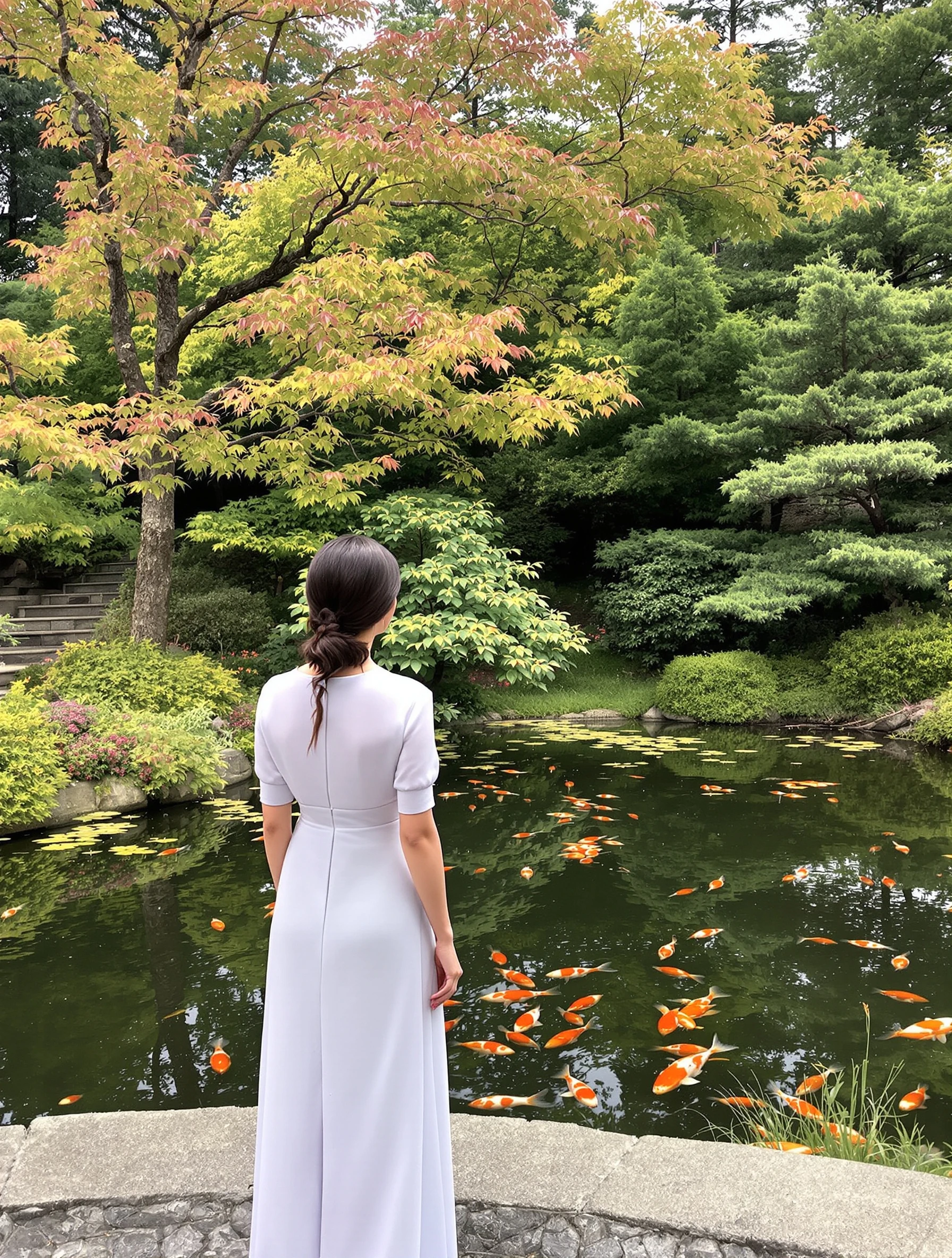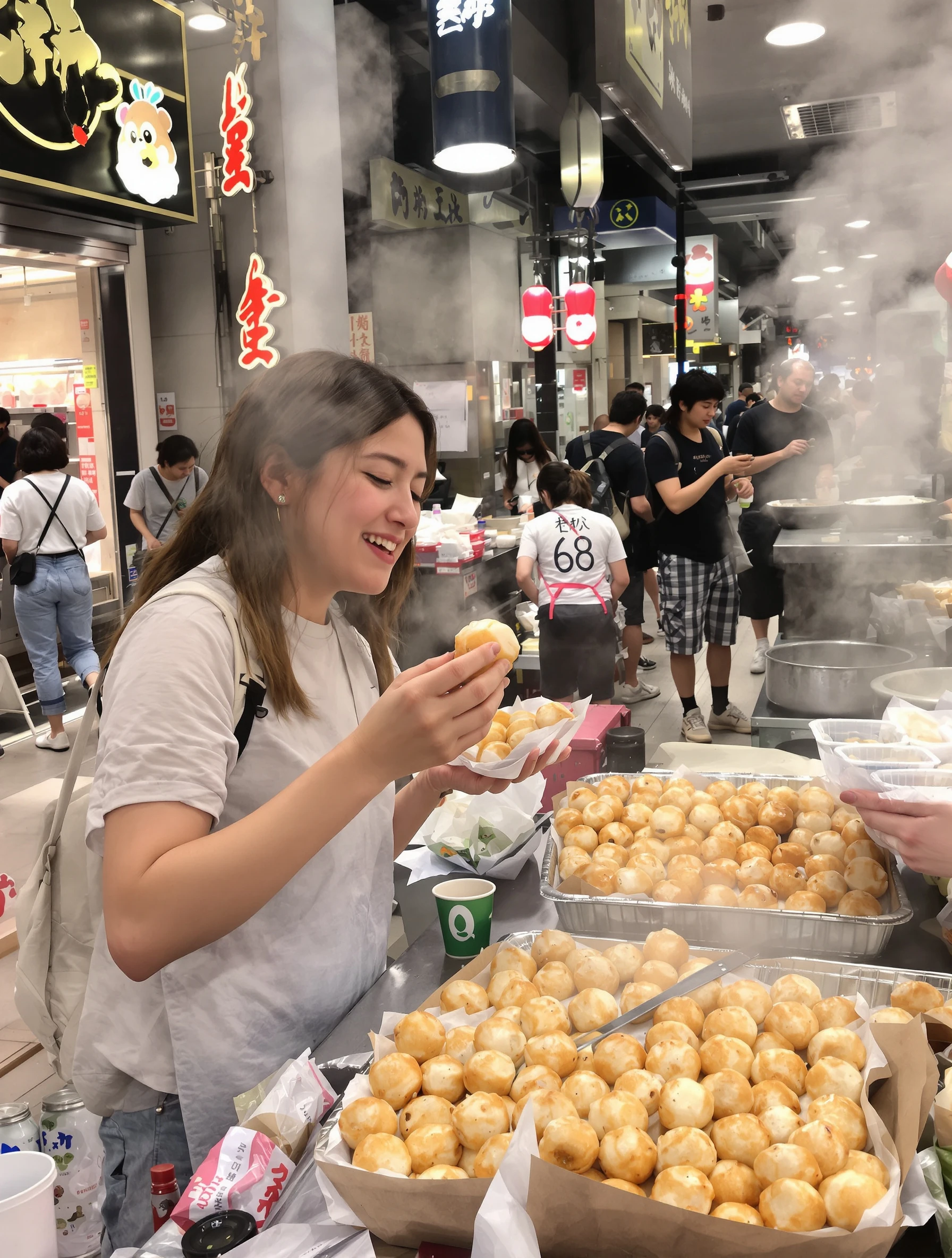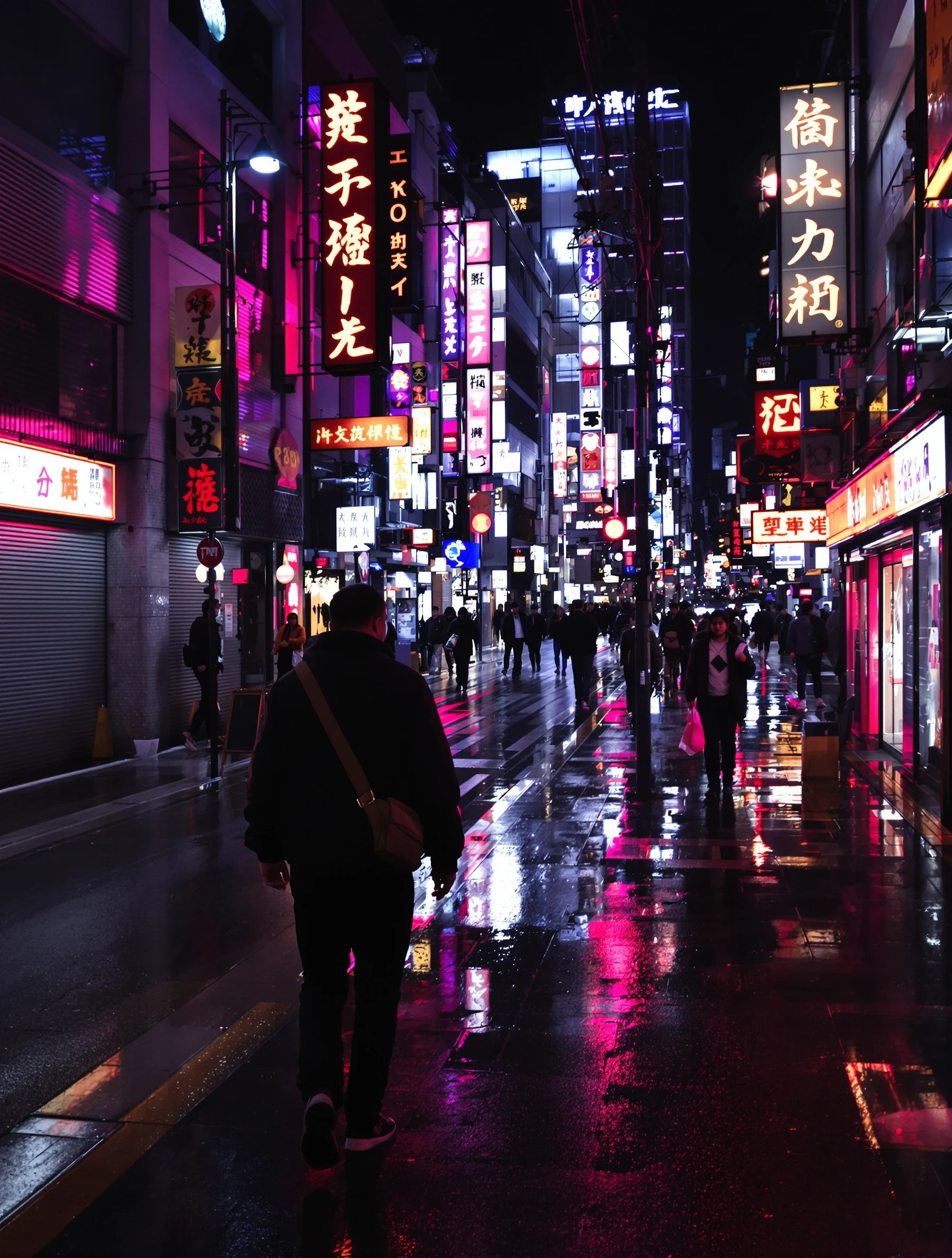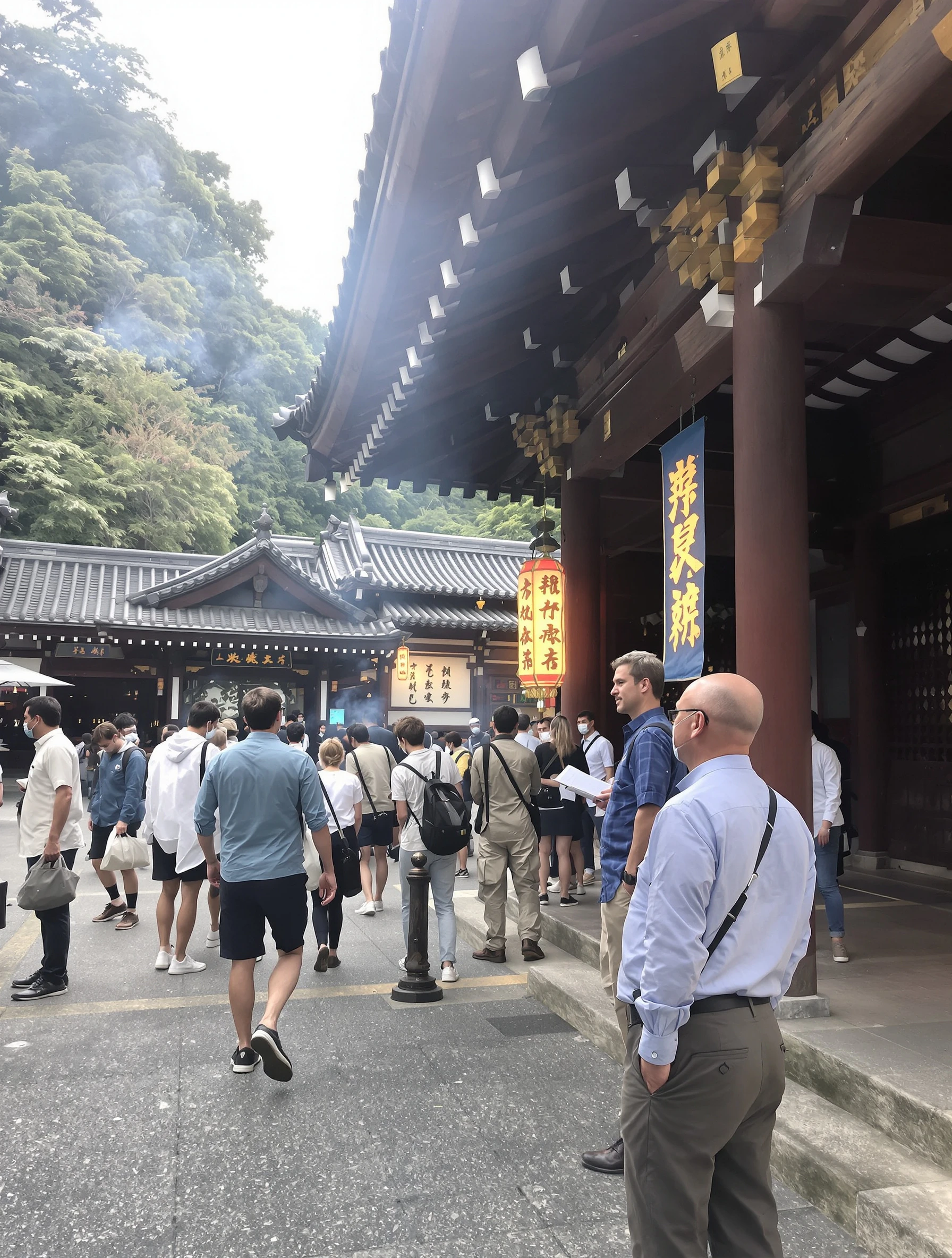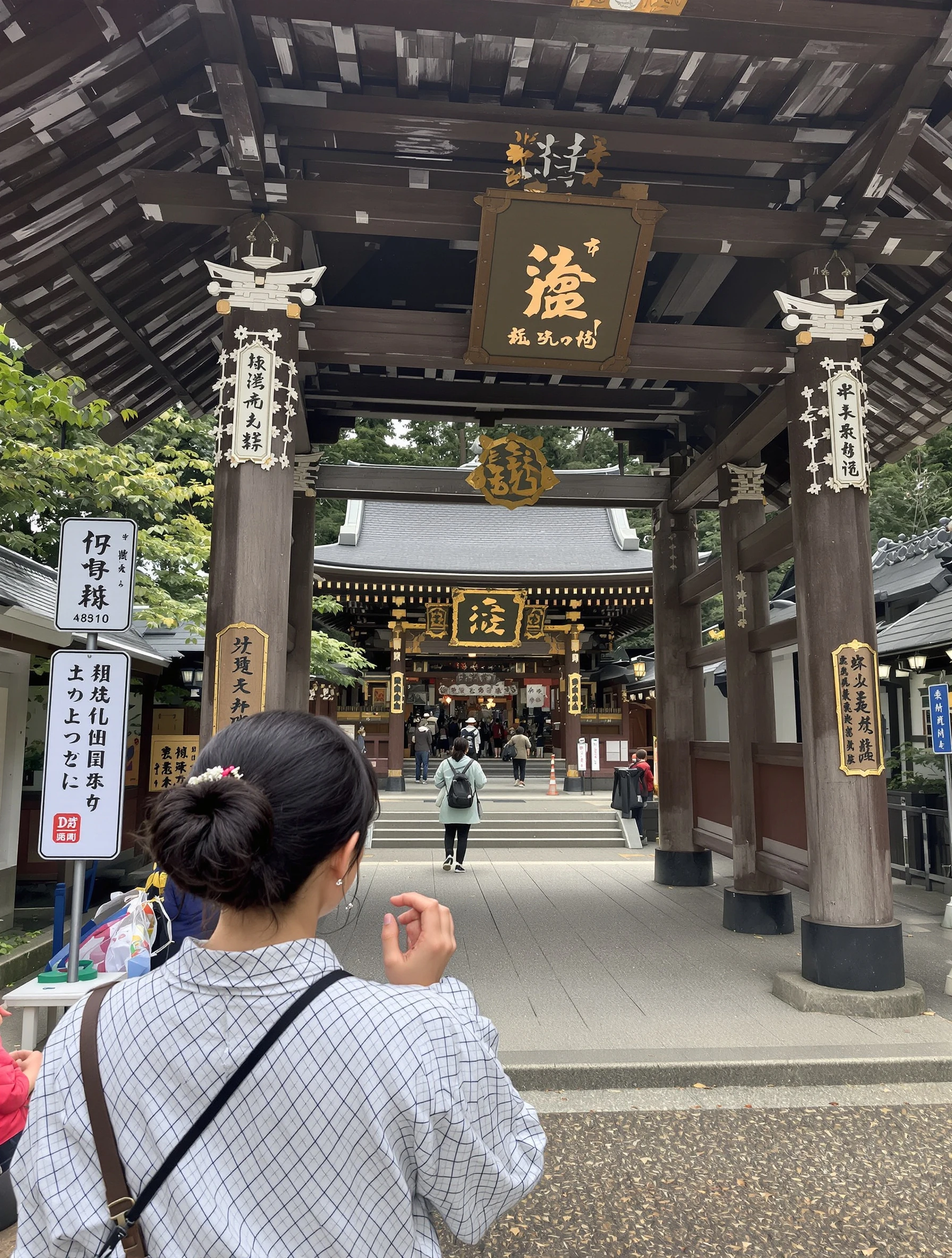
Woman at a peaceful Shinto shrine, hands clasped in prayer. Respectful modest attire, traditional torii gate, spiritual moment, Japanese culture.
Woman at a peaceful Shinto shrine, hands clasped in prayer. Respectful modest attire, traditional torii gate, spiritual moment, Japanese culture.
Free to Use (CC BY 4.0)
This AI-generated image is free for personal and commercial use. Just include a link back to PixelPanda.
Perfect For
About This AI-Generated Travel Photo
For Tokyo travel content this works because it reads as participation rather than tourism. Shrines like Meiji Jingu, Hie Jinja, and countless neighborhood shrines are active places of worship, and a photo that shows correct posture and modest dress signals to readers that you understood that. It also solves a practical problem: the vermilion and green palette is instantly recognizable as Japan, so the image identifies its location without a landmark caption or a crowd of visitors in the background.
To recreate this, shoot early morning on a weekday when approach paths are empty, and stand to one side of the torii rather than in the center, which is traditionally left clear. Swap the neutral layers for a subdued kimono or yukata if the season fits. For a family or group version, space subjects along the path in profile instead of clustering them at the gate.
Tips for Travel Photography
- Keep hands together at chest height, not above the head, and lower your gaze rather than smiling at the camera.
- Wear covered shoulders and a below the knee hemline in muted tones so the vermilion torii stays the brightest color.
- Photograph before 8am on a weekday to get empty stone paving and soft light without harsh overhead shadows.
- Frame the torii off center with foliage on one edge, so the gate reads as depth rather than a flat backdrop.
Frequently Asked Questions
Is it disrespectful to take photos at a Shinto shrine in Tokyo?
Photography on approach paths and near torii gates is generally accepted, but the inner sanctuary, the honden, is usually off limits and marked with signs. Never photograph a wedding, funeral, or someone else praying. Keep your voice low, stay out of the queue at the offering hall, and follow any posted rules in Japanese or English.
What is the correct way to pray so the pose looks authentic?
At most shrines the sequence is two bows, two claps, a silent prayer with hands together, then one final bow. Before that, purify your hands and mouth at the water basin near the entrance. The clasped hands moment shown here is the third step, which is why the posture is still and the eyes are closed.
What should I wear to a Tokyo shrine for this kind of photo?
Cover your shoulders and knees, skip anything sheer or heavily cut out, and choose calm colors like cream, navy, grey, or soft brown. Comfortable shoes matter because gravel approach paths are long. If you rent a kimono, pick a subdued seasonal pattern rather than a bright costume style set for a more believable result.
Technical Details
Soft diffused daylight filtered through trees gives even, shadow free coverage on the face and clothing. A medium aperture holds the torii gate readable behind the subject, with a vertical crop and a muted palette accented by vermilion.