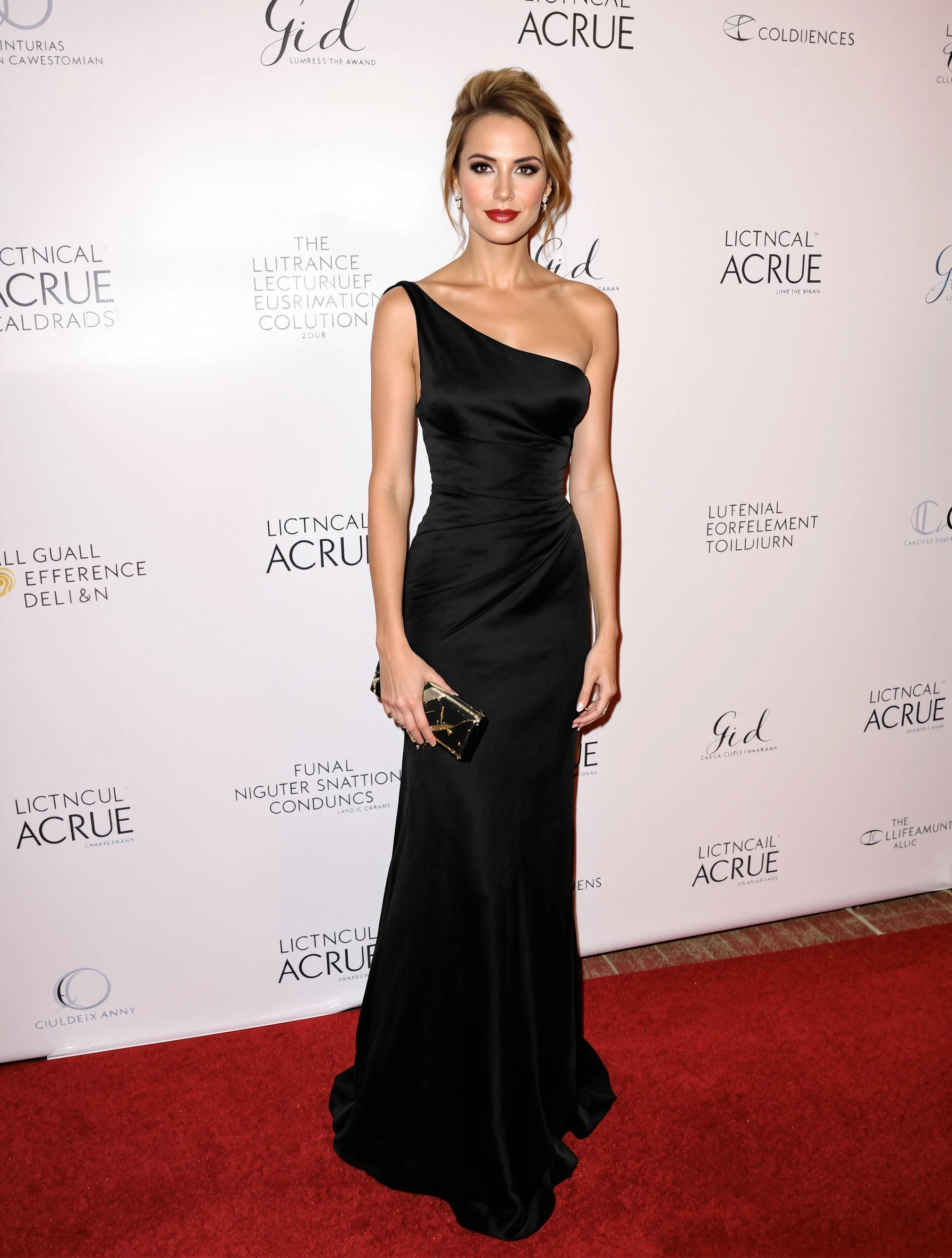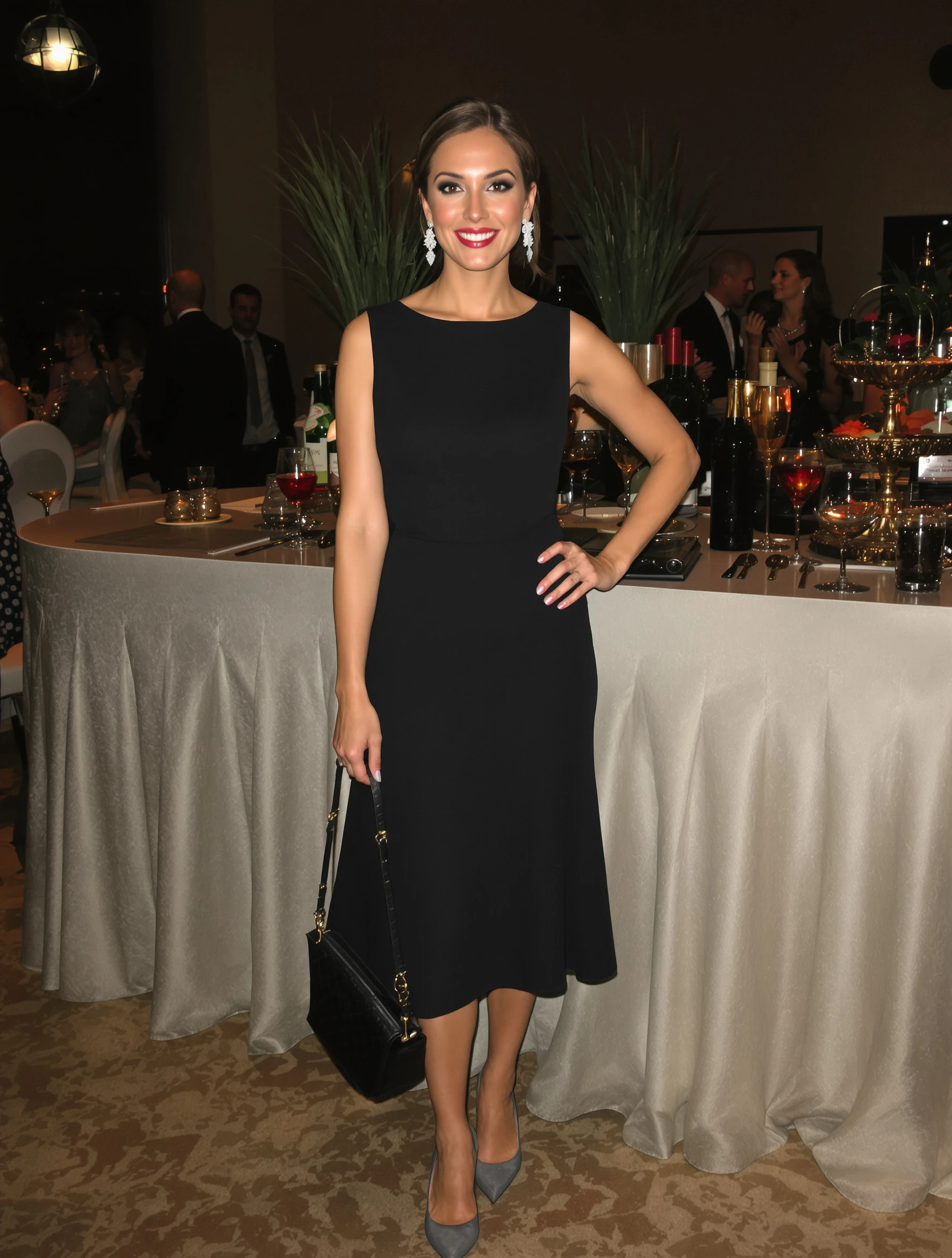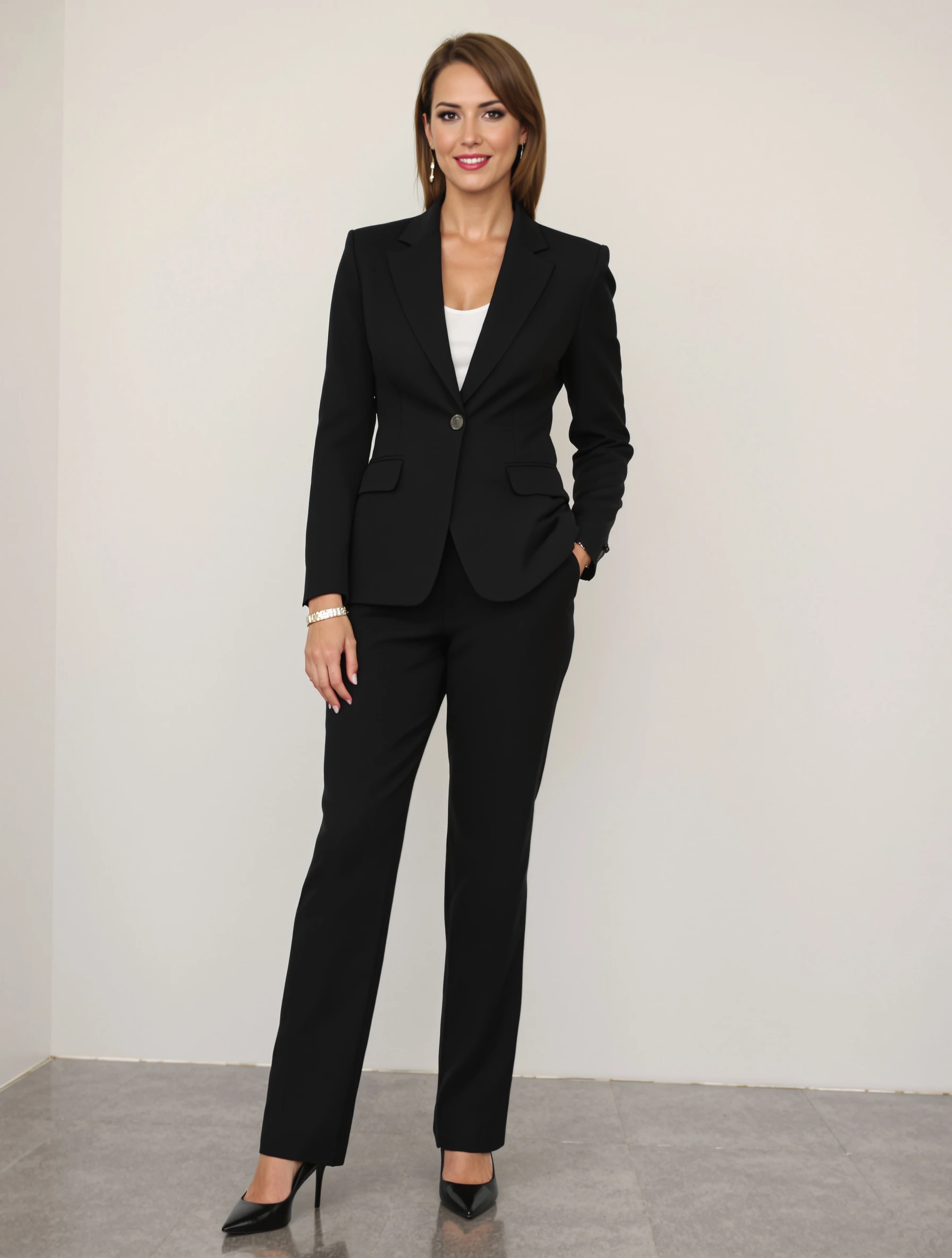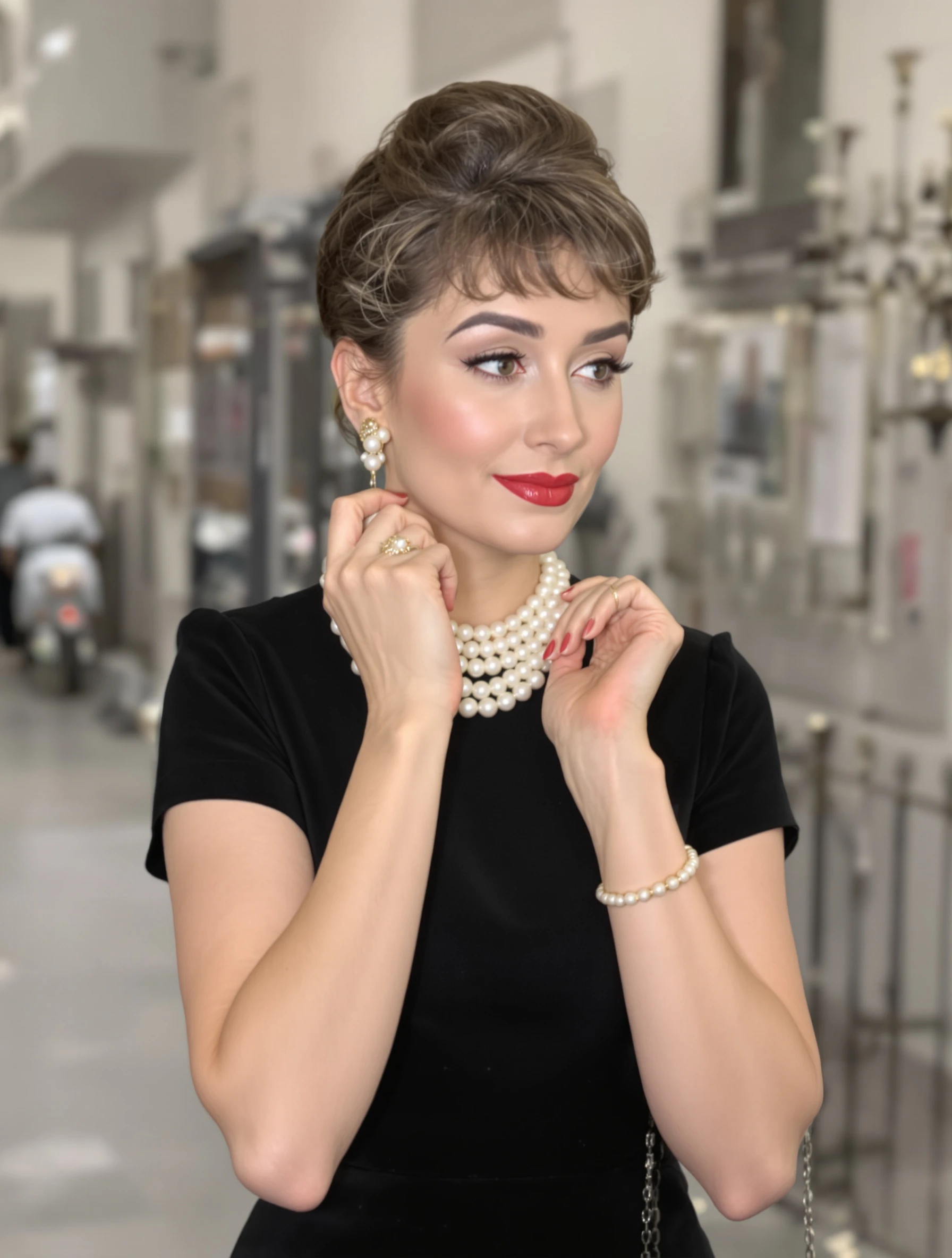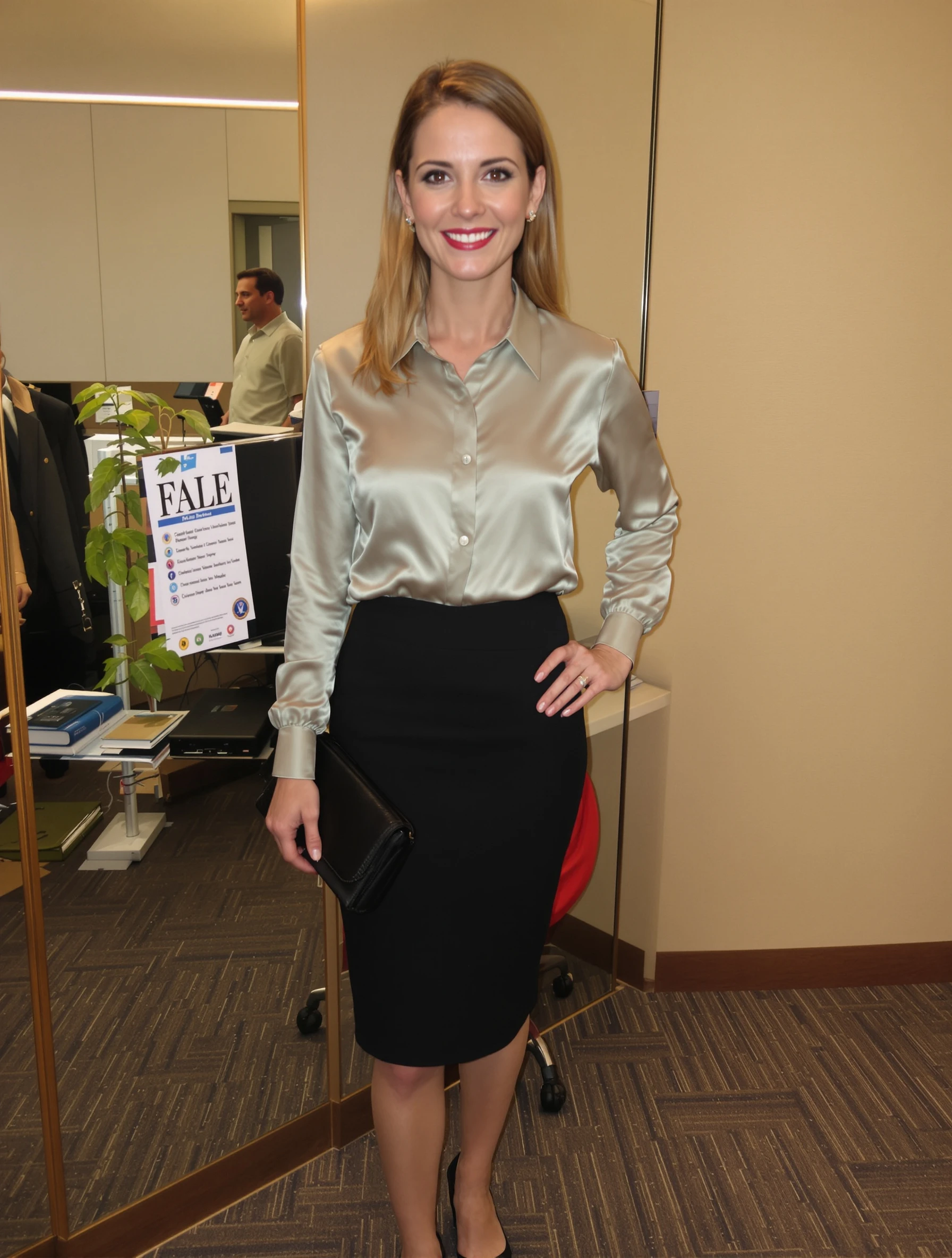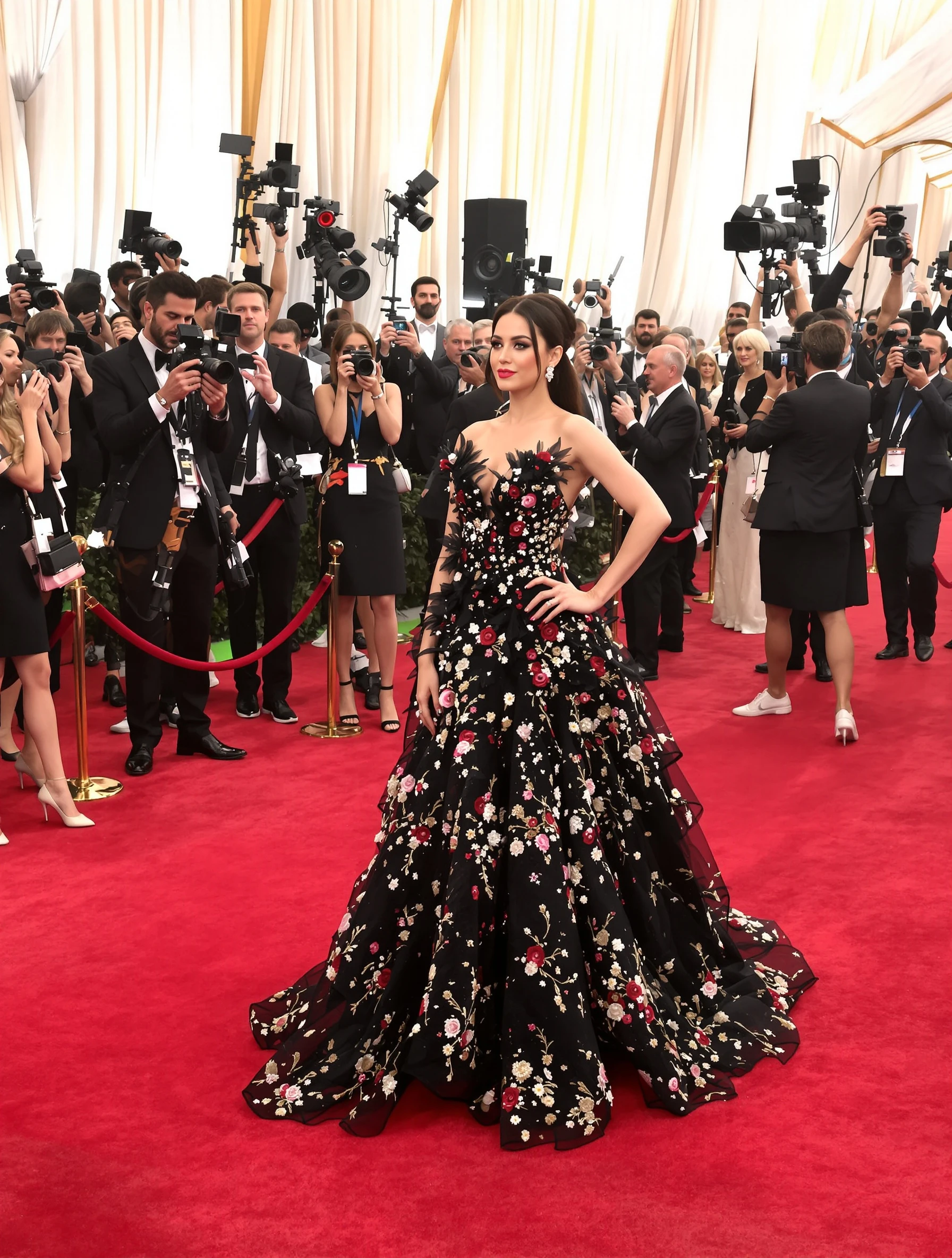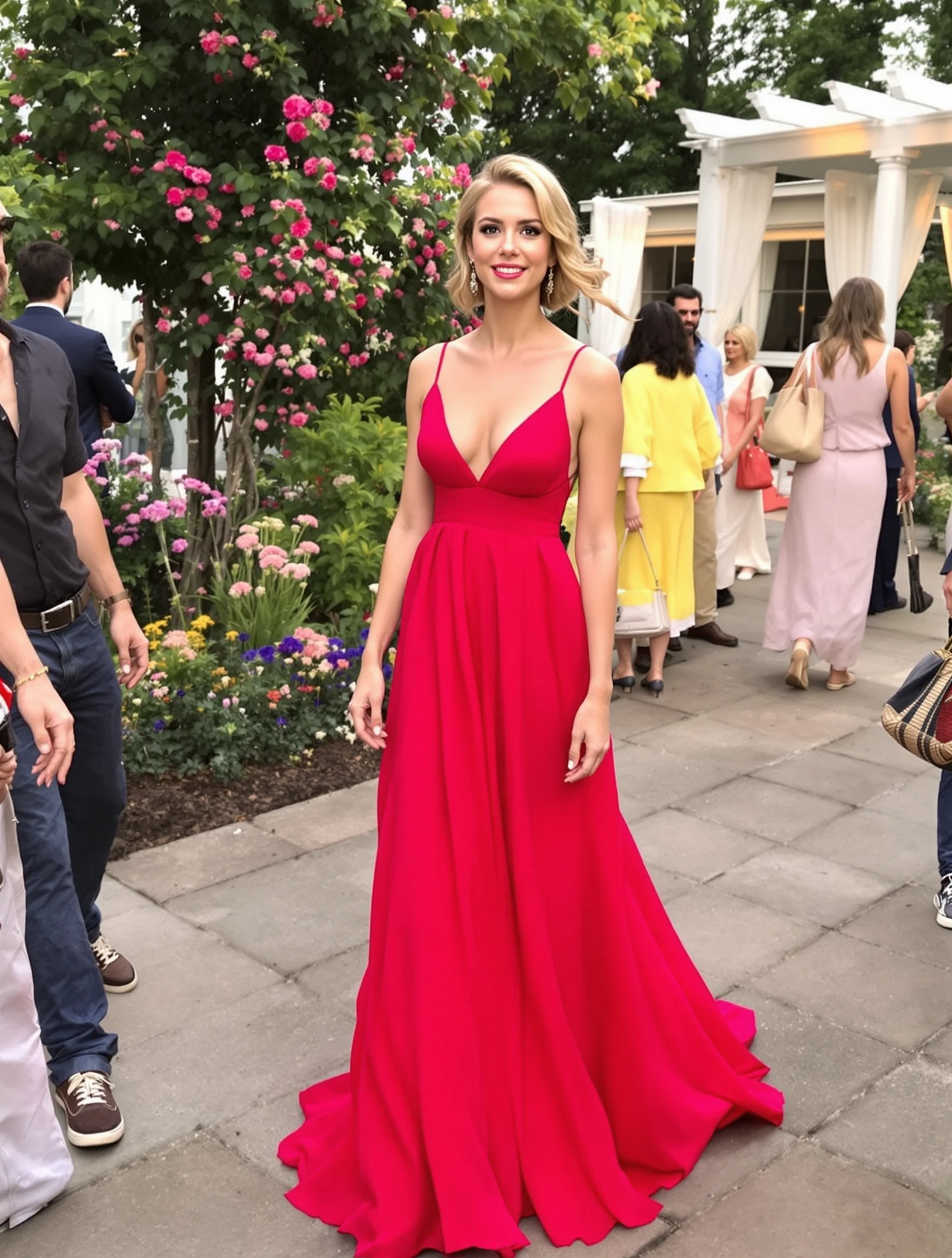
Woman in crisp white blazer, modern sophisticated style. Clean lines, power piece, versatile elegance, contemporary classic.
Woman in crisp white blazer, modern sophisticated style. Clean lines, power piece, versatile elegance, contemporary classic.
Free to Use (CC BY 4.0)
This AI-generated image is free for personal and commercial use. Just include a link back to PixelPanda.
Perfect For
About This AI-Generated Fashion Photo
For elegant formal fashion use, white is the harder and more rewarding choice. It signals intent, photographs well against warm and cool backdrops alike, and reads as premium in gallery grids where black blazers all blend together. It also crops well: the lapel line frames the face in tight headshot crops, and the full silhouette holds up in vertical fashion layouts.
To adapt it, change the base layer first. A white shell keeps it monochrome and editorial, a black one adds contrast for corporate use, and a silk camisole softens it for evening. Warmer skin tones sit beautifully against ivory or cream rather than optic white, and adding a wide-leg trouser in the same tone extends the line for full-length shots.
Tips for Fashion Photography
- Shoot white blazers slightly underexposed, then lift in post, so lapel seams and weave keep visible texture.
- Choose a background one or two stops darker than the jacket to stop the shoulders dissolving into the frame.
- Keep jewelry minimal and metallic: one cuff or small studs, so the eye stays on the clean lapel line.
- Swap optic white for ivory or cream if skin tone is warm, otherwise the jacket can look cold.
Frequently Asked Questions
What should I wear under a white blazer for this look?
Not if the tailoring is sharp and the background is controlled. White reads as confident and current in board bios and speaker pages. The risk is technical, not stylistic: a poorly lit white jacket loses shape. Keep a defined shoulder seam, a darker backdrop, and a base layer with enough contrast to anchor the face.
Why does my white blazer look gray or blue in photos?
Three reliable options. A white or ivory shell keeps everything monochrome and editorial. Black creates crisp contrast that suits corporate and legal profiles. A camel or blush silk layer warms the palette for evening and event use. Avoid busy prints and high necklines that crowd the lapel, since the V-shape of the jacket is what frames your face.
Why does a white blazer look gray or blue in photos?
Usually a white balance problem or bounce from a colored surface. Open shade under a blue sky cools white fabric noticeably, and standing near a colored wall tints the jacket. Set white balance from a neutral card, keep bounce sources white, and check the lapel in the shadows rather than the highlight when correcting color.
Technical Details
Broad off-axis key light with soft falloff shapes the white lapel while holding highlight detail. Shallow depth of field separates the subject from a slightly darker neutral backdrop, framed waist-up with a cool-neutral grade and clean tonal contrast.