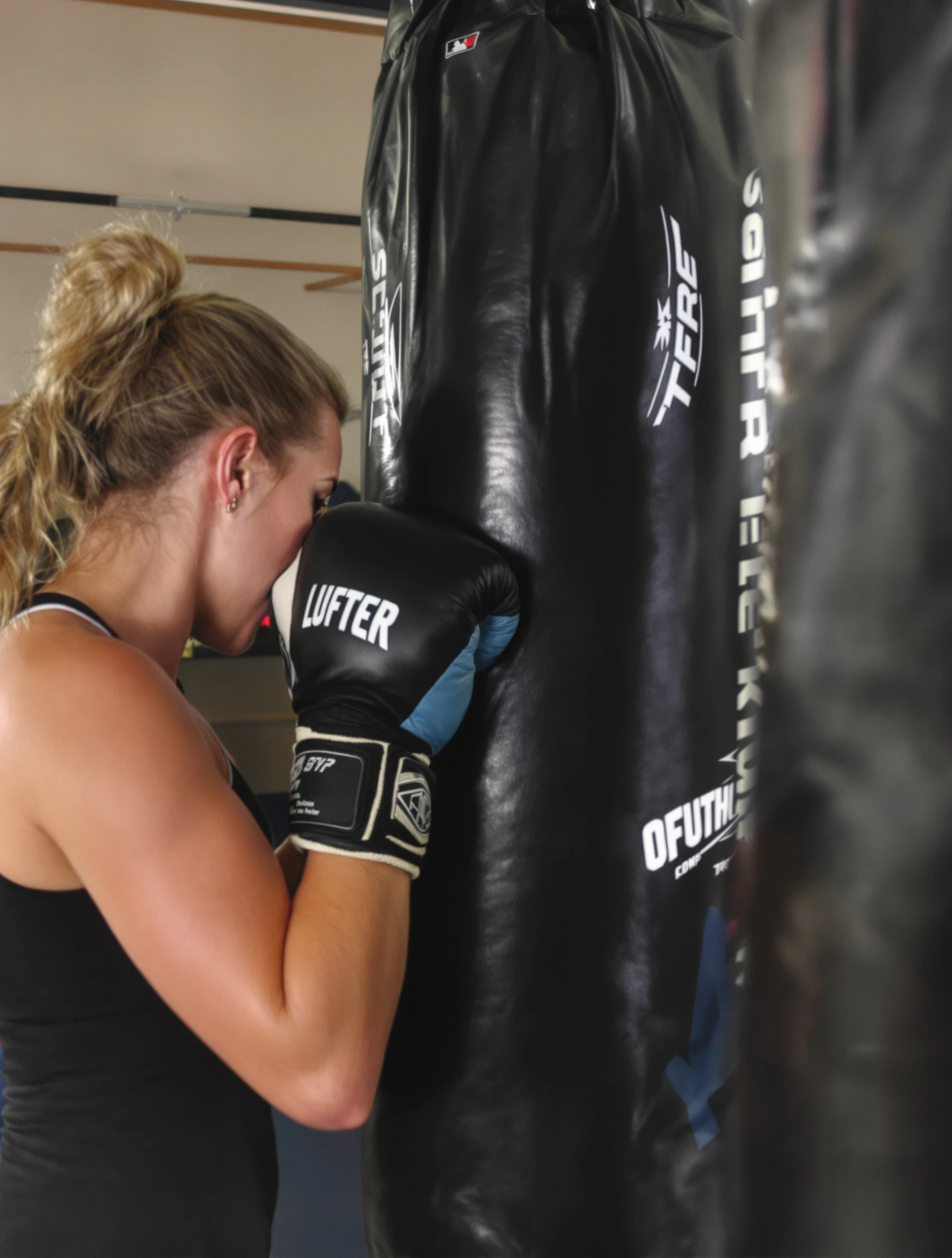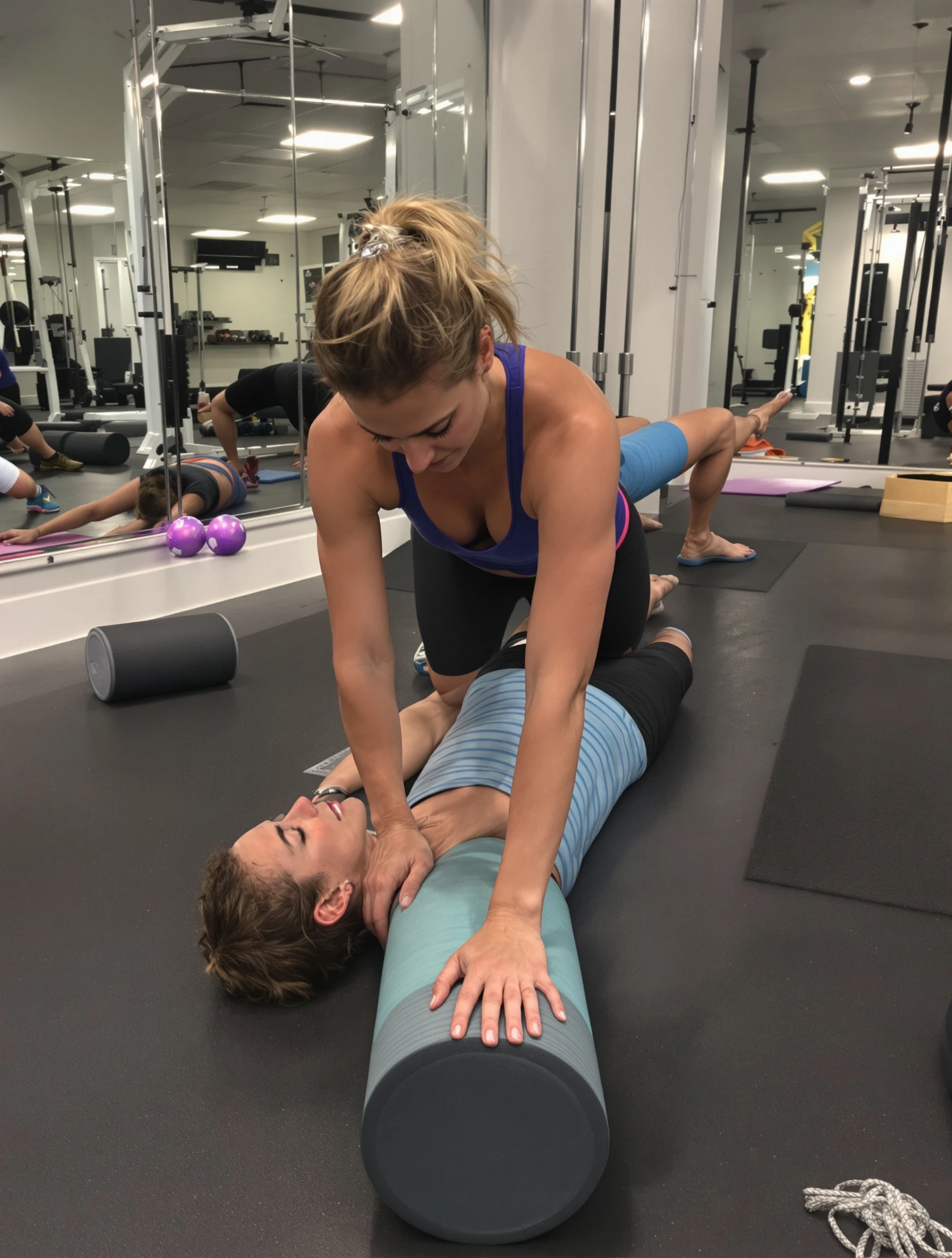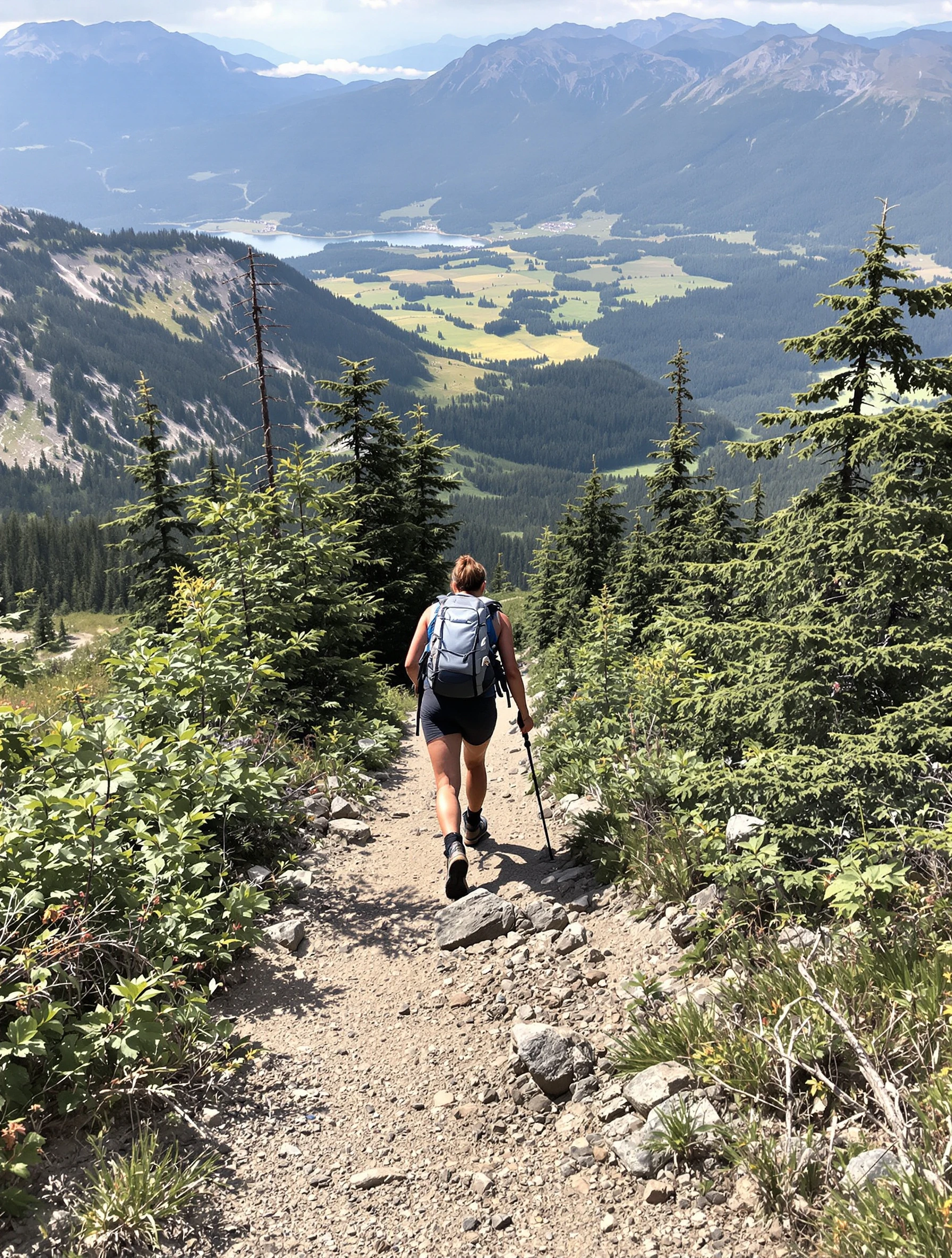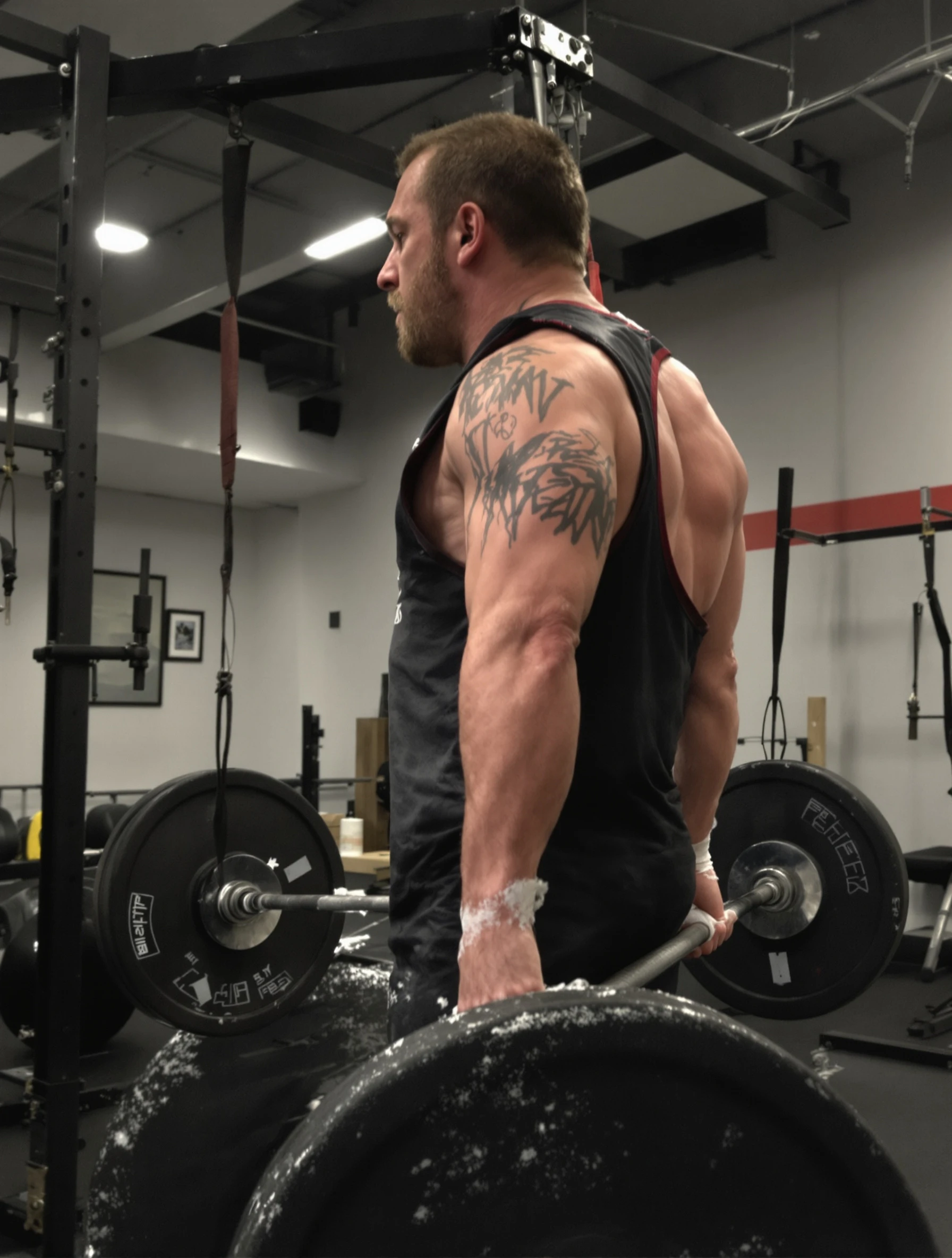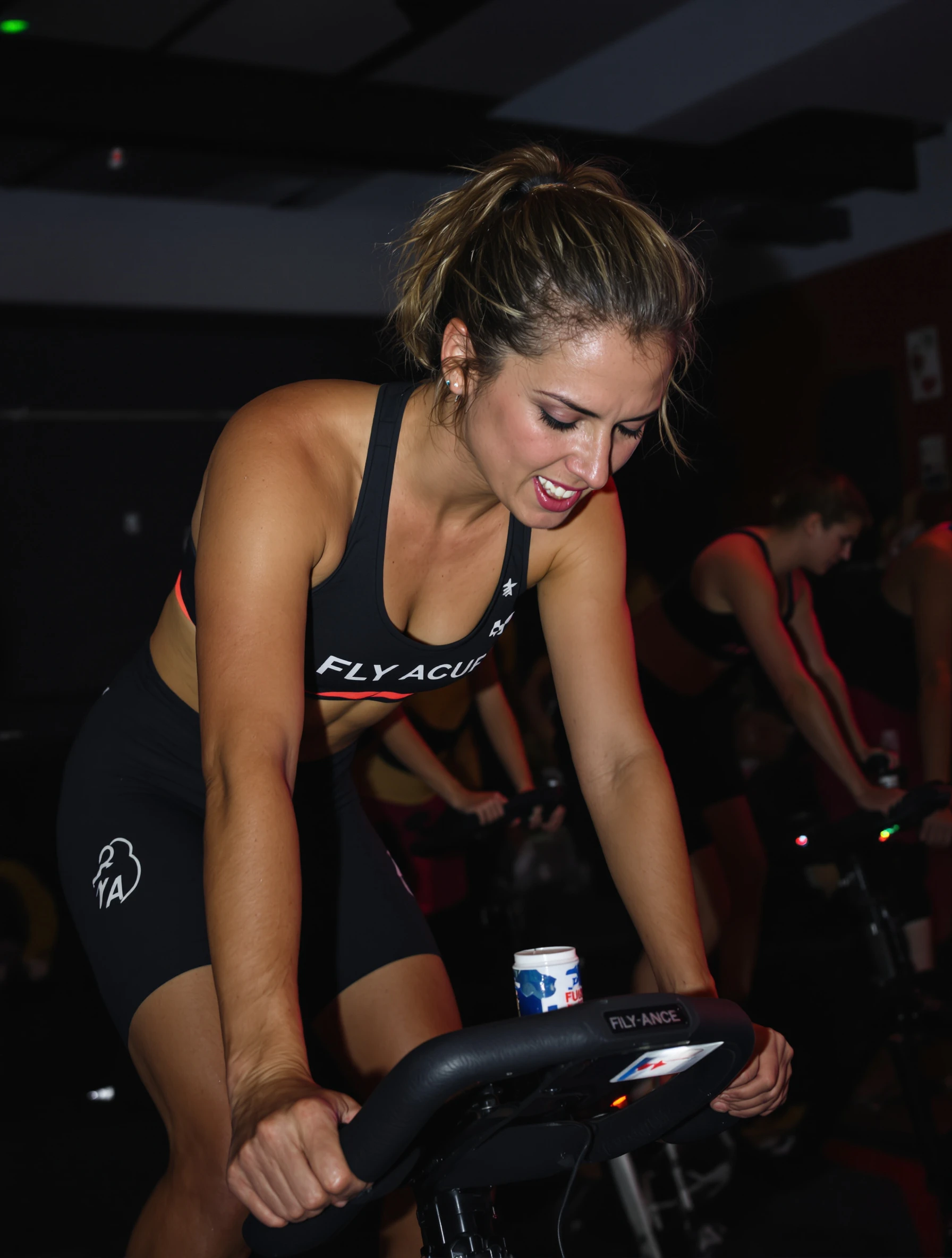
Woman in intense spin class, standing climb, sweat and determination. Cycling attire, dramatic studio lighting, group energy, cardio intensity.
Woman in intense spin class, standing climb, sweat and determination. Cycling attire, dramatic studio lighting, group energy, cardio intensity.
Free to Use (CC BY 4.0)
This AI-generated image is free for personal and commercial use. Just include a link back to PixelPanda.
Perfect For
About This AI-Generated Lifestyle Photo
For fitness platforms this specific combination does practical work. A standing climb photographs as effort in a way a seated flat never does, which is what makes it useful on a class schedule tile, a spin instructor bio, or a studio ad where a viewer decides in a second whether the room looks hard enough. The dark background also keeps text legible when the shot is cropped tall for Stories or overlaid with a class time.
To recreate it, ride an actual climb rather than posing on a still bike so the leg and torso angles are honest. Swap the kit color to something that separates from the dark wall, keep the hair pulled back, and if the goal is welcoming rather than punishing, raise the room light slightly and trade the clenched jaw for a coaching expression aimed off camera.
Tips for Lifestyle Photography
- Shoot mid climb, not at the top of the pedal stroke, so both legs show loaded, working angles.
- Keep the rider's face lit from the front side; pure backlight turns a determined expression into a silhouette.
- Let background riders blur but keep one handlebar or wheel sharp to prove it is a full class.
- Leave sweat and flushed skin in the edit; retouching it away makes the effort read as staged.
Frequently Asked Questions
Does a standing climb photograph better than a seated sprint for spin content?
Usually yes. Standing opens up the torso, straightens the arms, and creates a clear diagonal from shoulders to pedals that reads as effort at thumbnail size. A seated sprint moves faster but compresses the body into a low crouch, which can look like coasting when frozen in a still frame.
Why is the spin studio so dark in shots like this?
Indoor cycling rooms are lit low on purpose so riders focus inward, and photographers use that. Keeping ambient light down lets a single hard source define the rider's shoulders and arms, hides ceiling clutter and empty bikes, and gives you a clean dark area for class times or a studio logo.
What cycling attire works for a group class photo?
Close fitting shorts or leggings with a fitted top so the hip and knee angles stay visible. Pick a color that separates from a dark wall, avoid loose tanks that hide posture, and skip busy prints since they compete with the light rimming the arms and shoulders.
Technical Details
Hard side and rear studio light rims the shoulders and arms against a near black room, with a wide aperture blurring the rider rows behind. Tight mid body framing, cool highlights, and deep contrasty shadows keep the sweat detail readable.