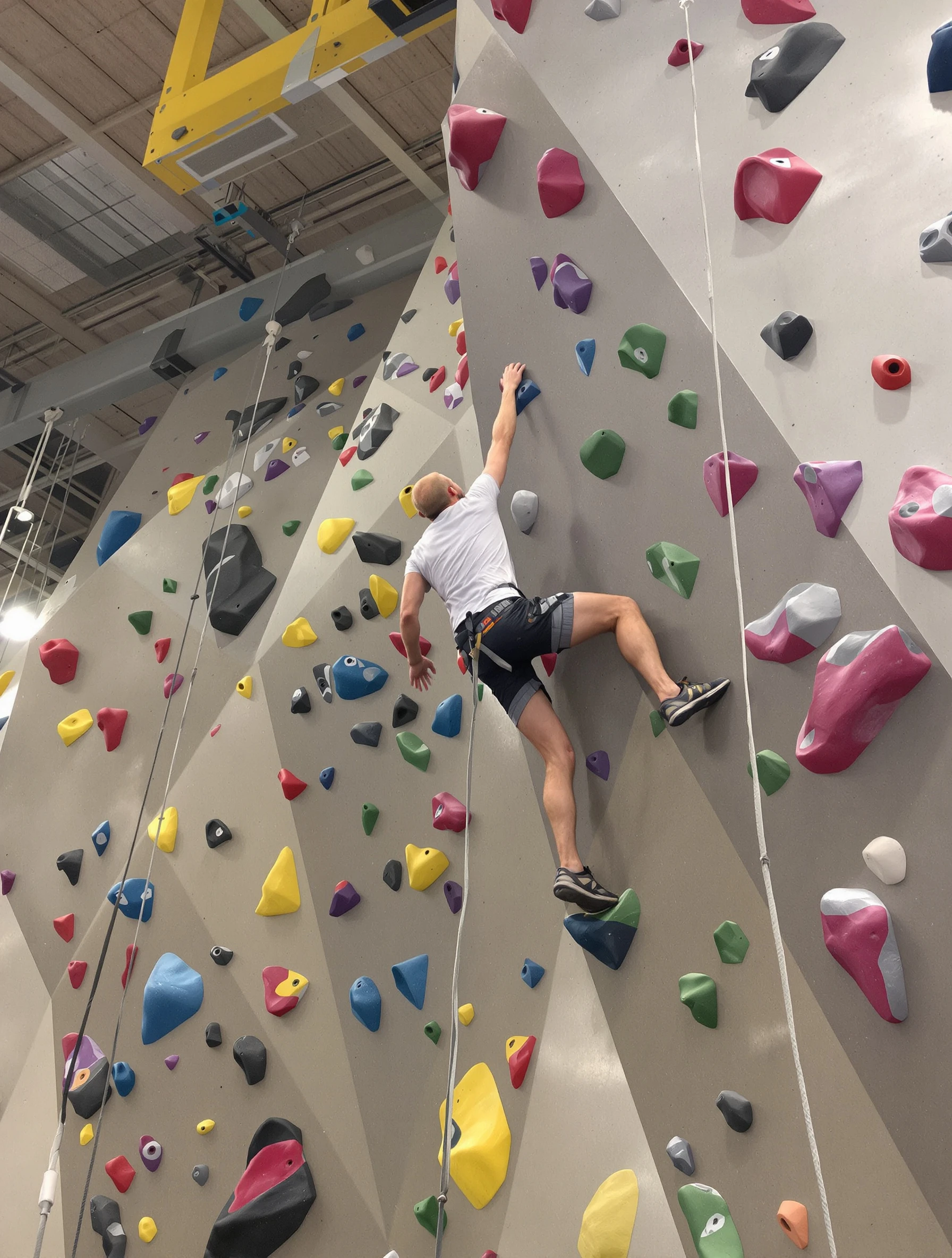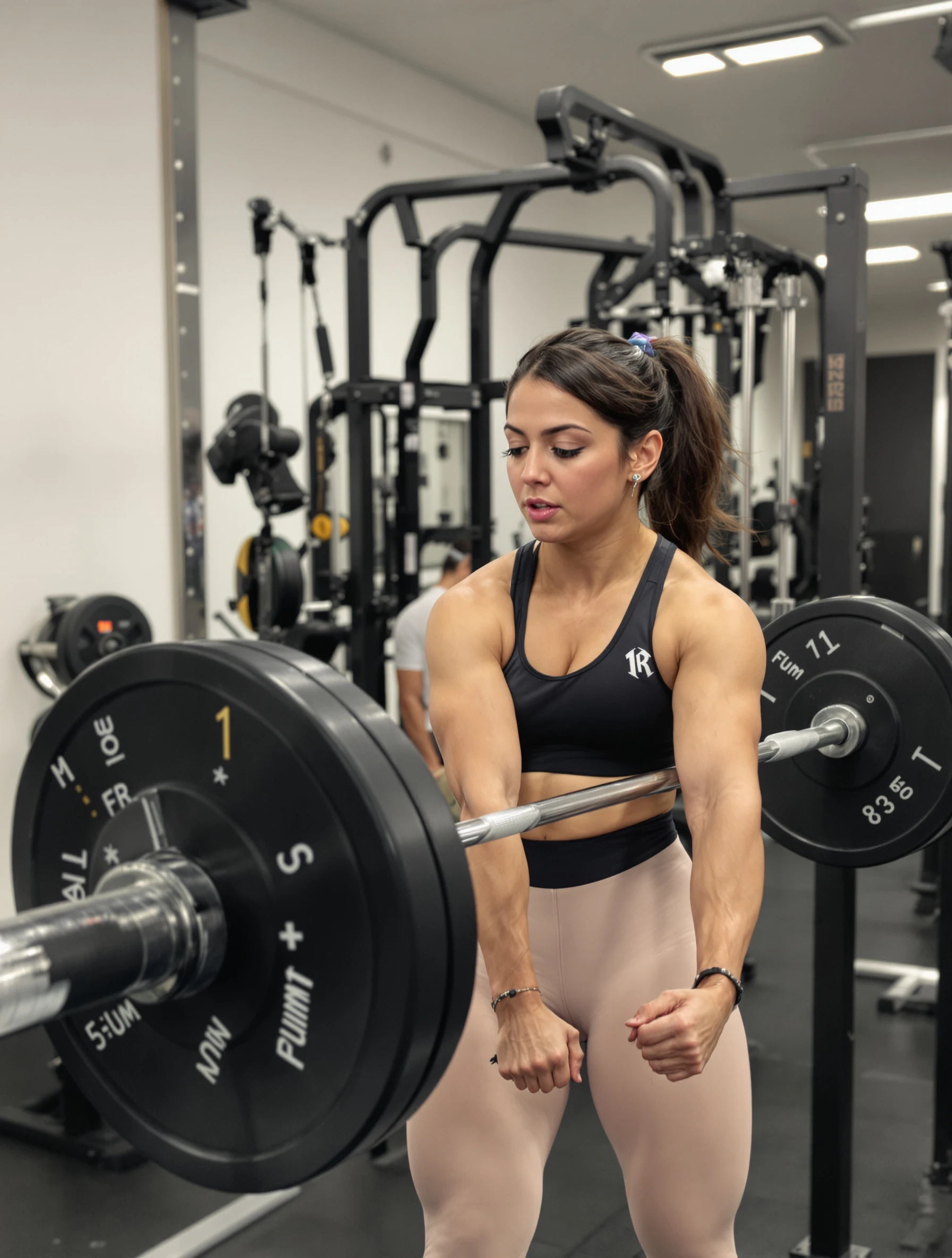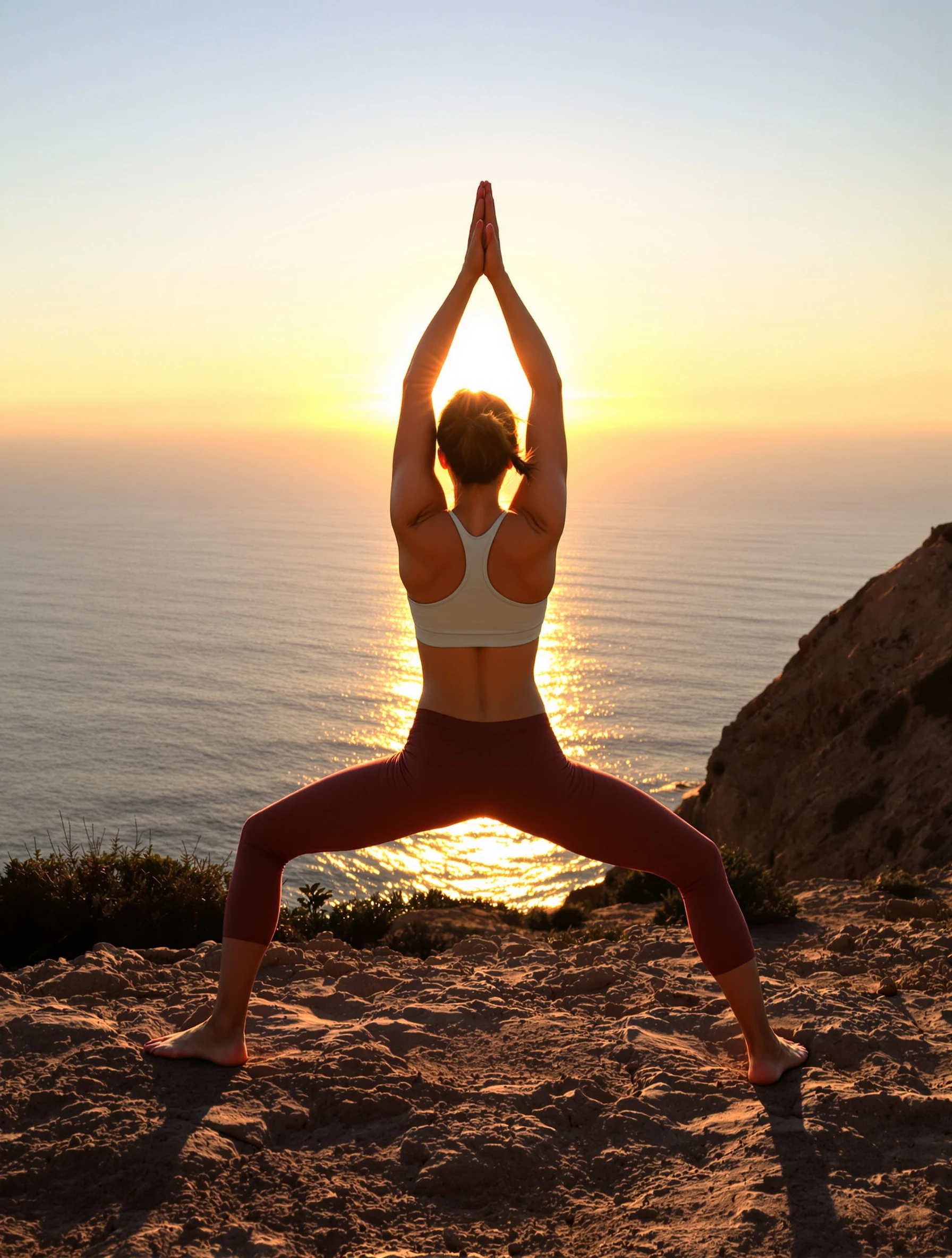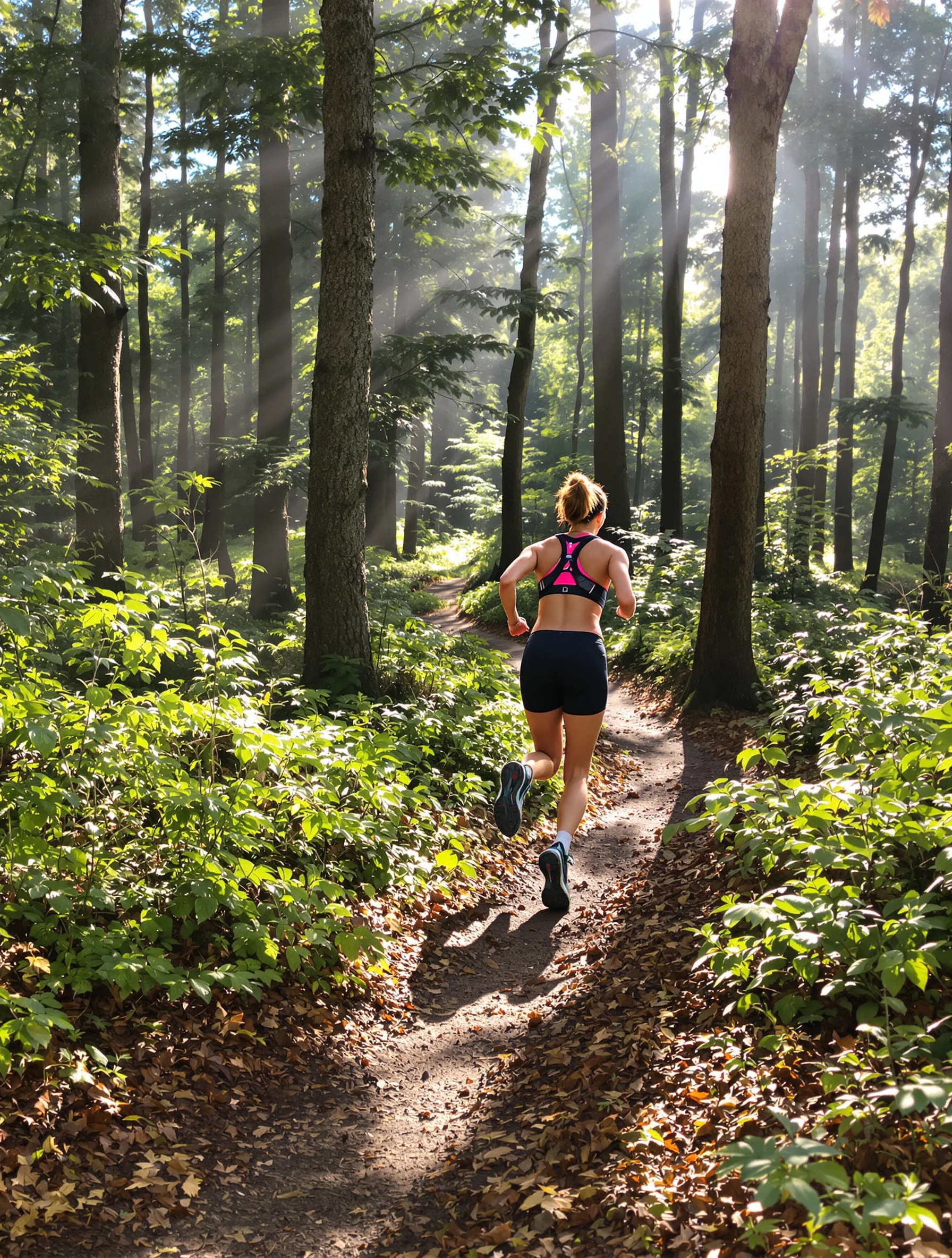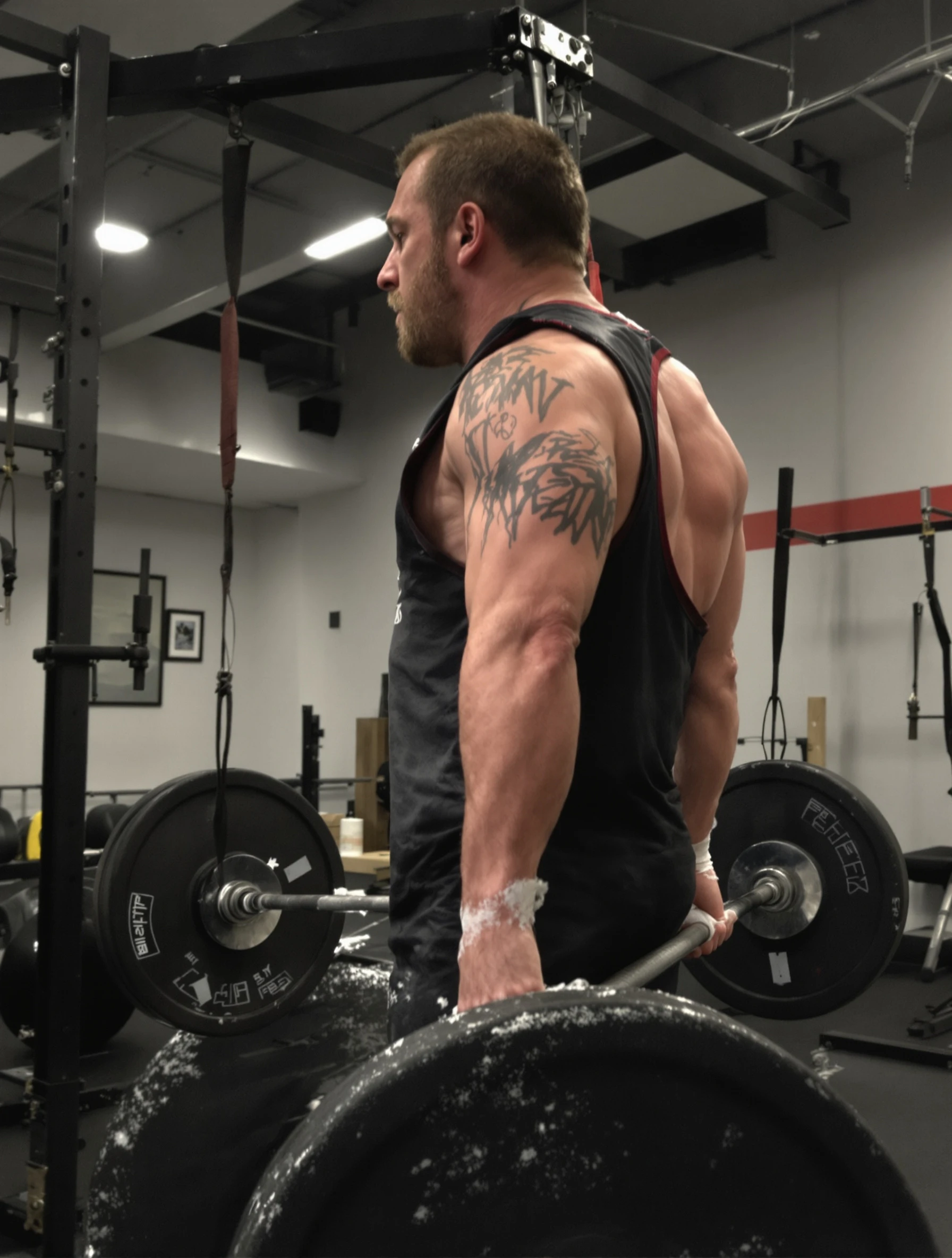
Strong man performing heavy deadlift, chalk on hands, focused intensity. Powerlifting gym, serious weight, proper form, raw strength.
Strong man performing heavy deadlift, chalk on hands, focused intensity. Powerlifting gym, serious weight, proper form, raw strength.
Free to Use (CC BY 4.0)
This AI-generated image is free for personal and commercial use. Just include a link back to PixelPanda.
Perfect For
About This AI-Generated Lifestyle Photo
Fitness audiences scroll past mirror flexes instantly, but a mid-rep image with chalk and a bent bar signals someone who actually trains. That credibility matters for coaches selling strength programs, powerlifting clubs recruiting members, and supplement or equipment brands that need proof of use. The tight crop on torso and bar keeps the subject legible at thumbnail size on Instagram or a course landing page, and the darker background gives white text plenty of room without covering the lift.
To recreate it, shoot from a low, slightly angled position so the bar path stays visible and the back angle looks powerful instead of rounded. Chalk is the single detail that sells authenticity. For a female lifter or a beginner-focused brand, drop the belt, use a lighter loaded bar, and shift the expression toward controlled effort rather than grimace. Swap the plain shirt for a singlet if the goal is competition imagery.
Tips for Lifestyle Photography
- Catch the bar just above the knees, where the back angle looks strongest and lockout has not flattened the pose yet.
- Load real plates and collar them; empty bars and mismatched weights read as fake to trained viewers immediately.
- Shoot from platform height at a three-quarter angle so both the bar and the braced spine stay visible.
- Keep chalk dust in frame on hands and shins; it is the fastest visual cue of serious training.
Frequently Asked Questions
Why does chalk make a deadlift photo look more authentic?
Chalk only shows up when someone is pulling heavy enough for grip to matter, so viewers who lift read it as a signal of real work. It also photographs well, catching light on the hands and forearms and drifting off the bar, which adds texture and a sense of motion to what is otherwise a static hold.
What camera angle makes a deadlift look most powerful?
A low three-quarter angle, roughly at plate height and offset about thirty degrees from the bar, works best. It shows the flat back line, the bar path, and the loaded plates in one frame. Straight-on shots hide the hip hinge, and high angles compress the torso and make the lifter look shorter and less braced.
Should the lifter wear a belt in a strength training photo?
It depends on the audience. A belt signals near-maximal work and suits powerlifting, strongman, and advanced coaching content. If you are marketing to beginners or general fitness clients, a beltless pull with moderate weight looks more approachable and avoids implying that equipment is required to start training.
Technical Details
Low-key directional light from above and behind rakes across the traps and shoulders, separating the lifter from a dark background. Shot at platform height with a shallow depth of field on the bar, cool desaturated grading, and a tight torso-and-plates crop.