Headshot Poses That Actually Look Professional
Most bad headshots are a posing problem, not a camera problem. Here are 28 poses that work for LinkedIn, company websites and business cards, with notes on when each one fits and when it backfires.
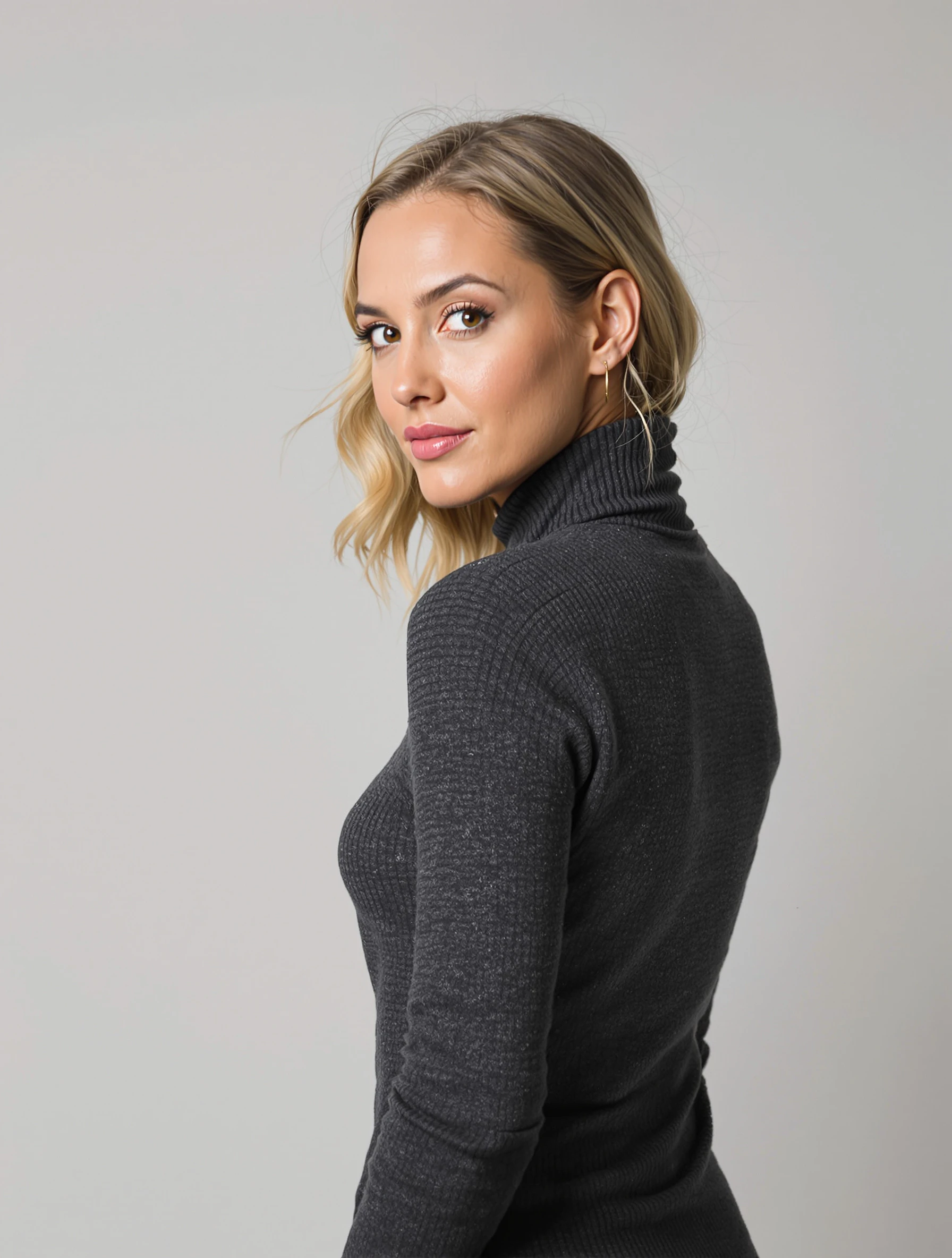
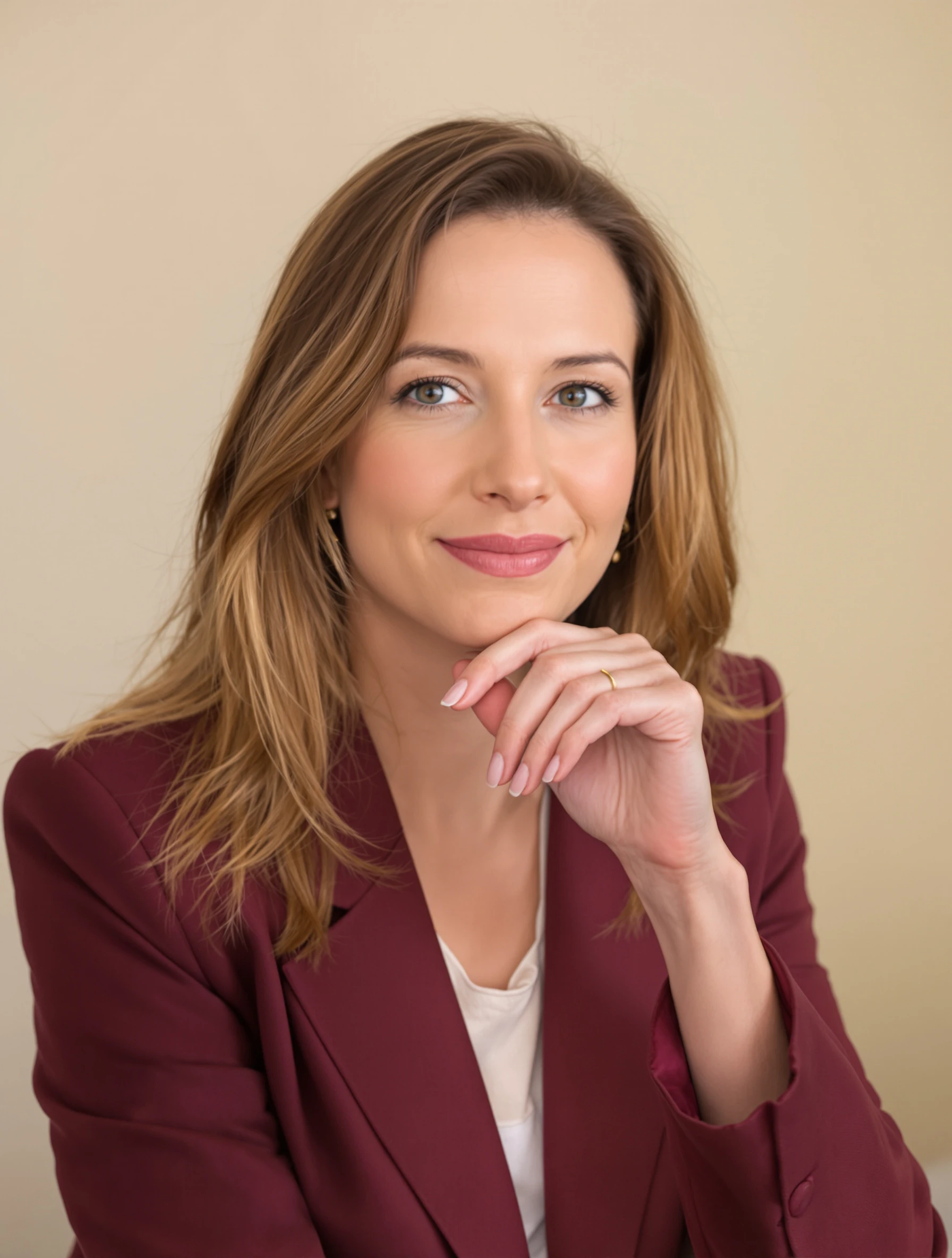
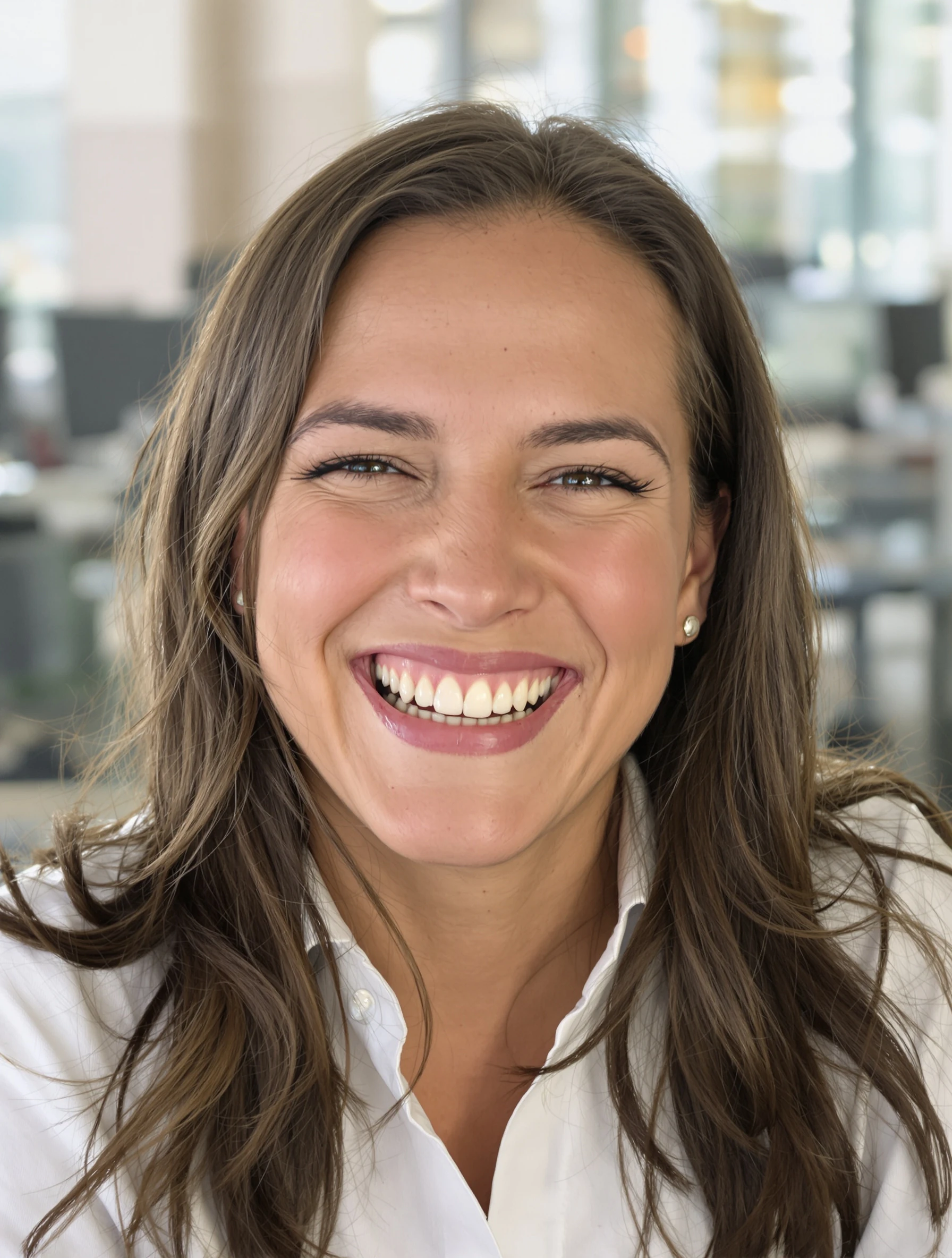
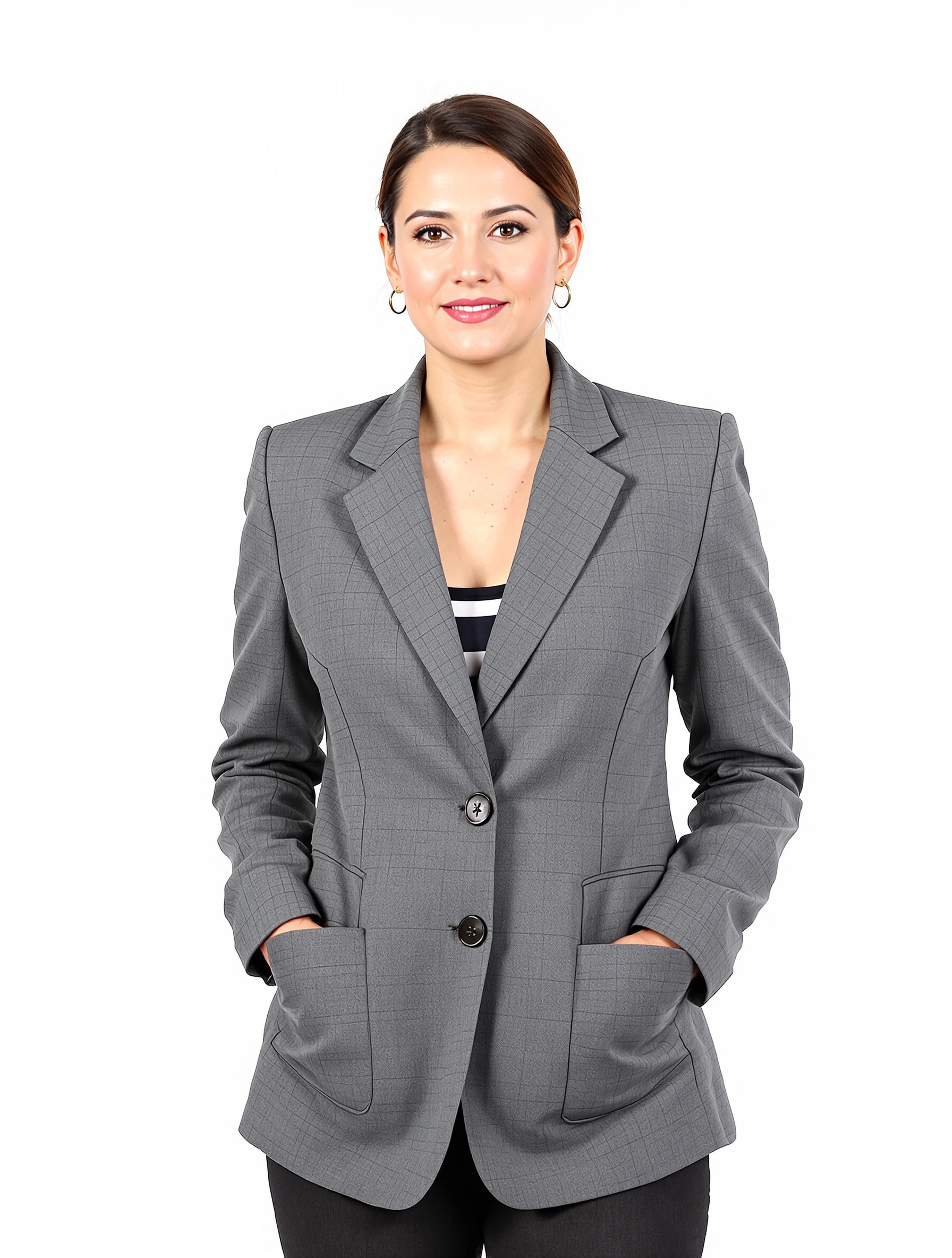
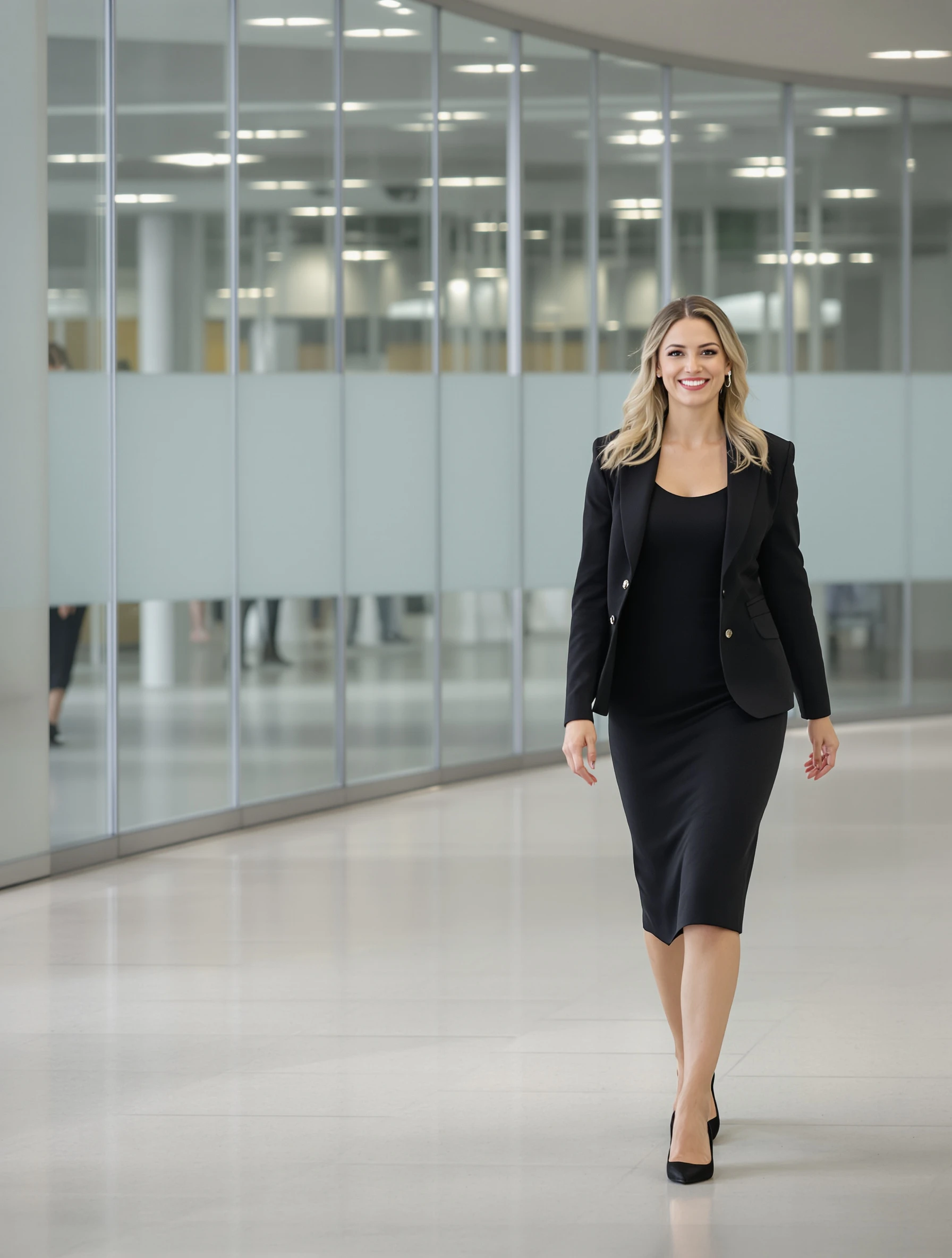
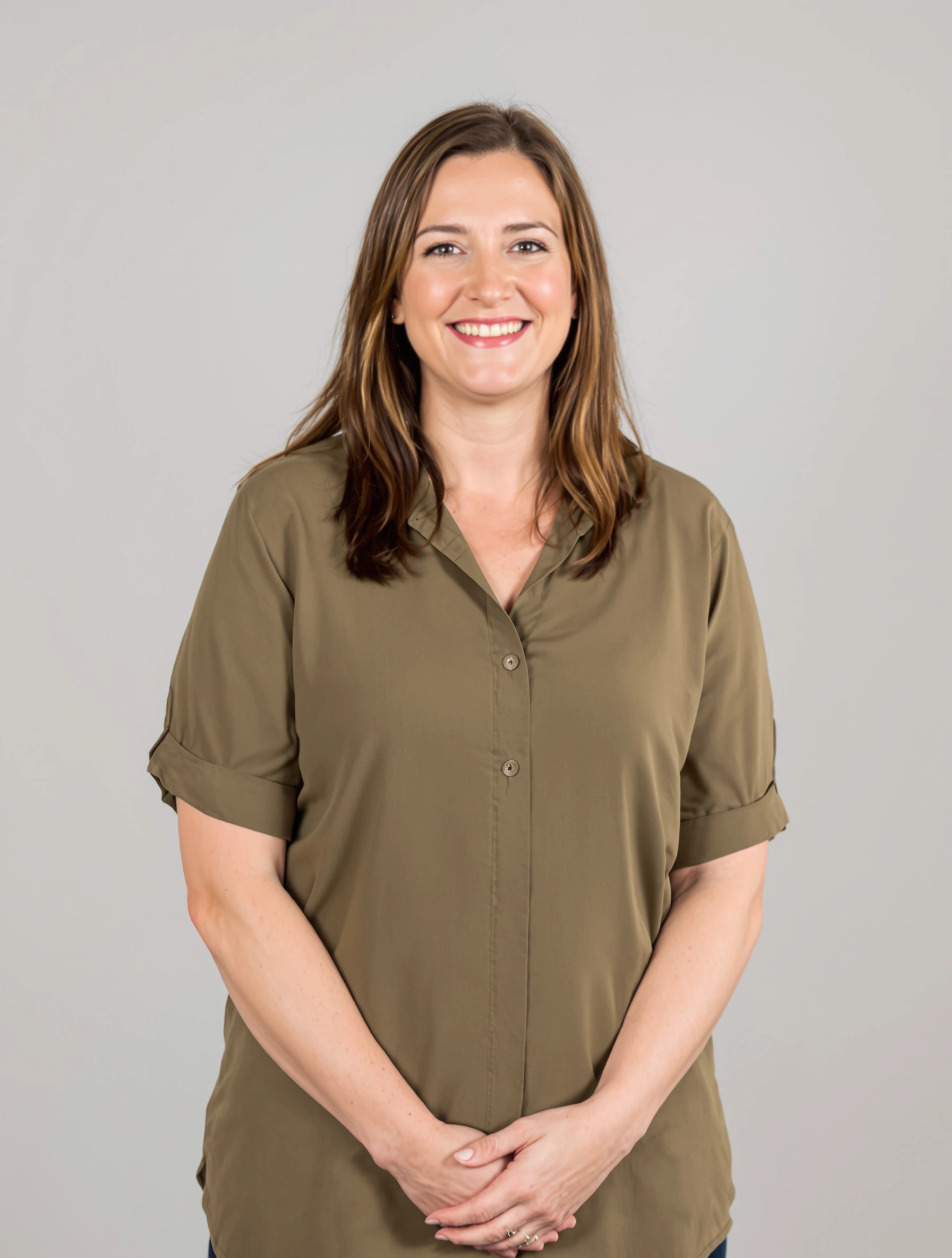

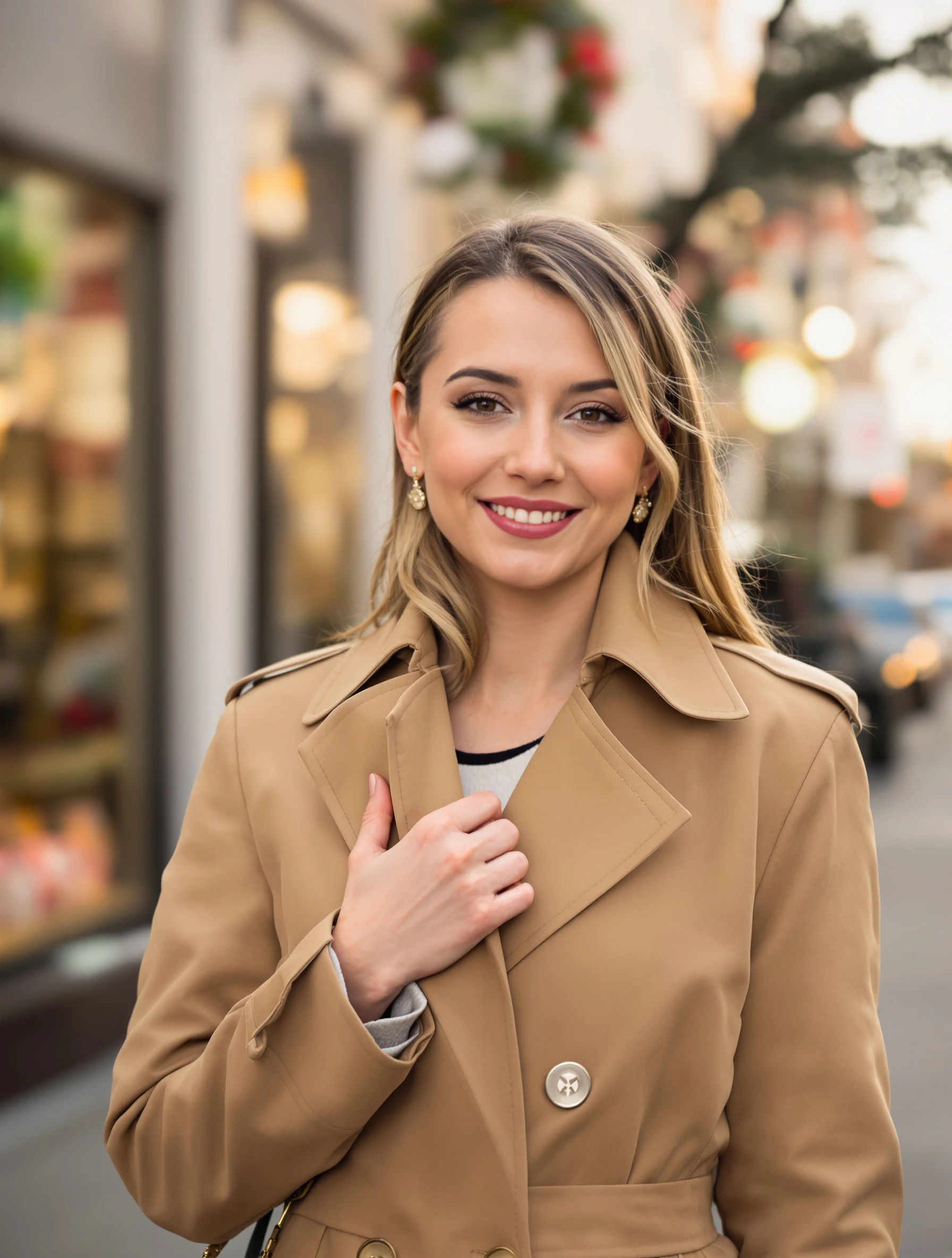

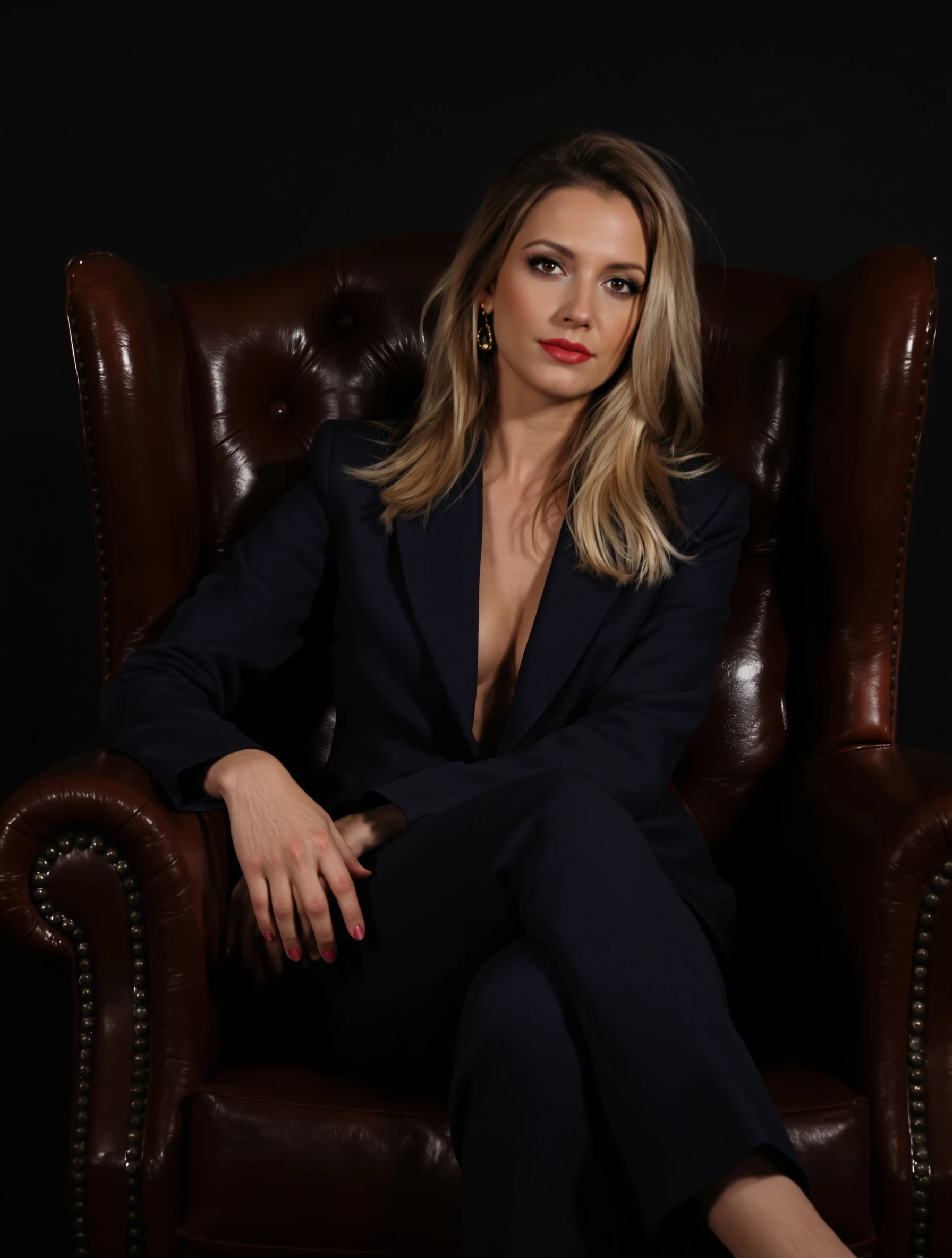

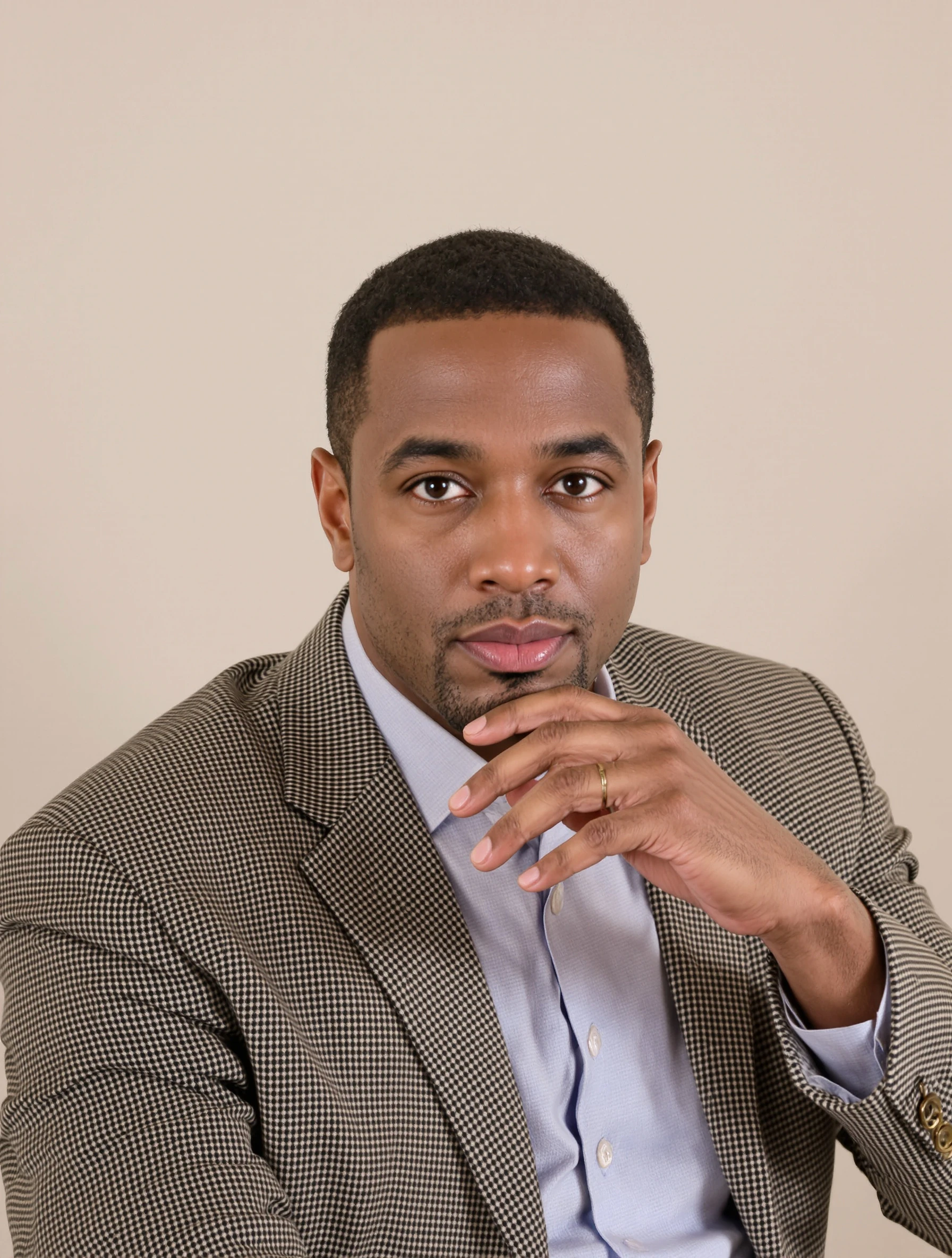
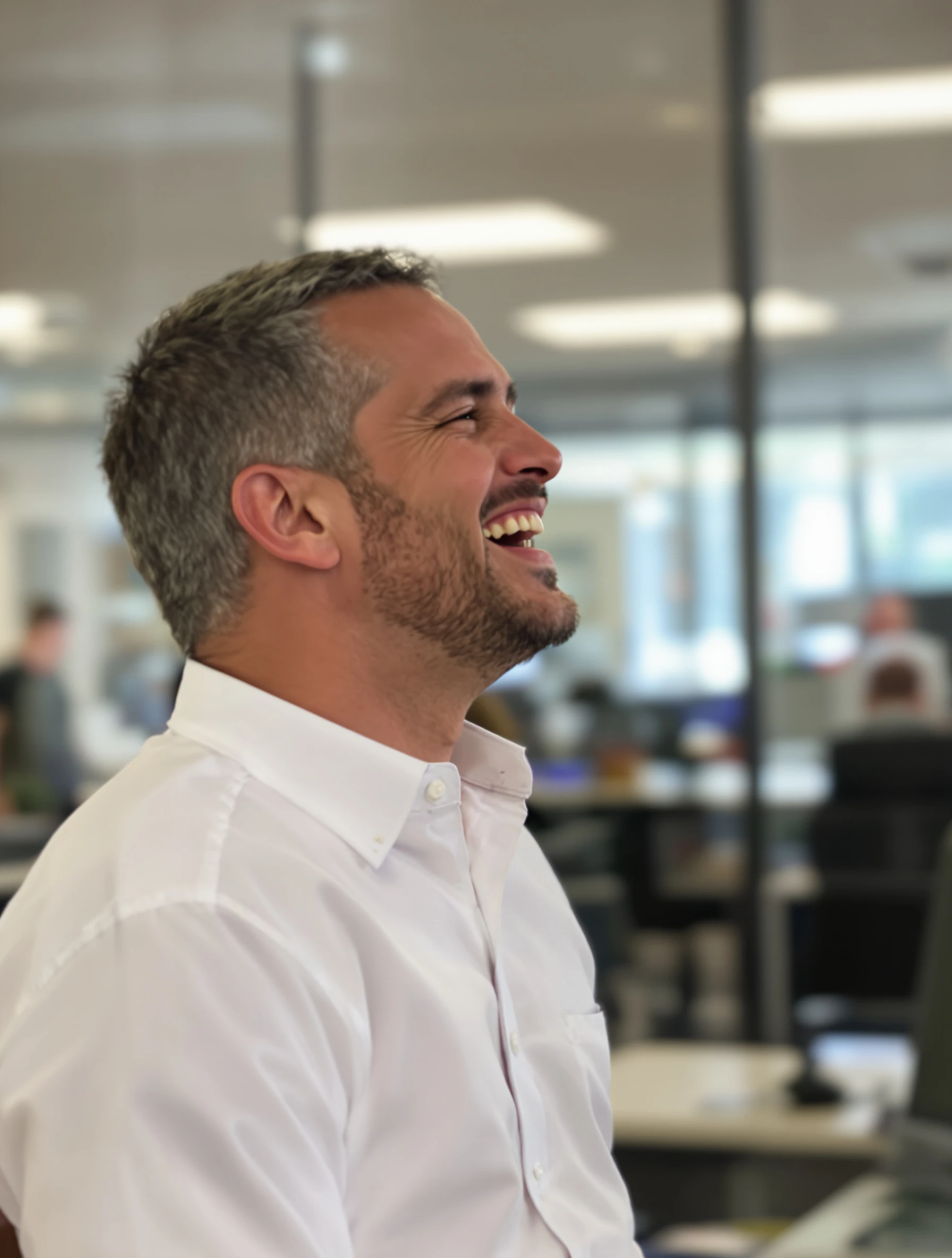
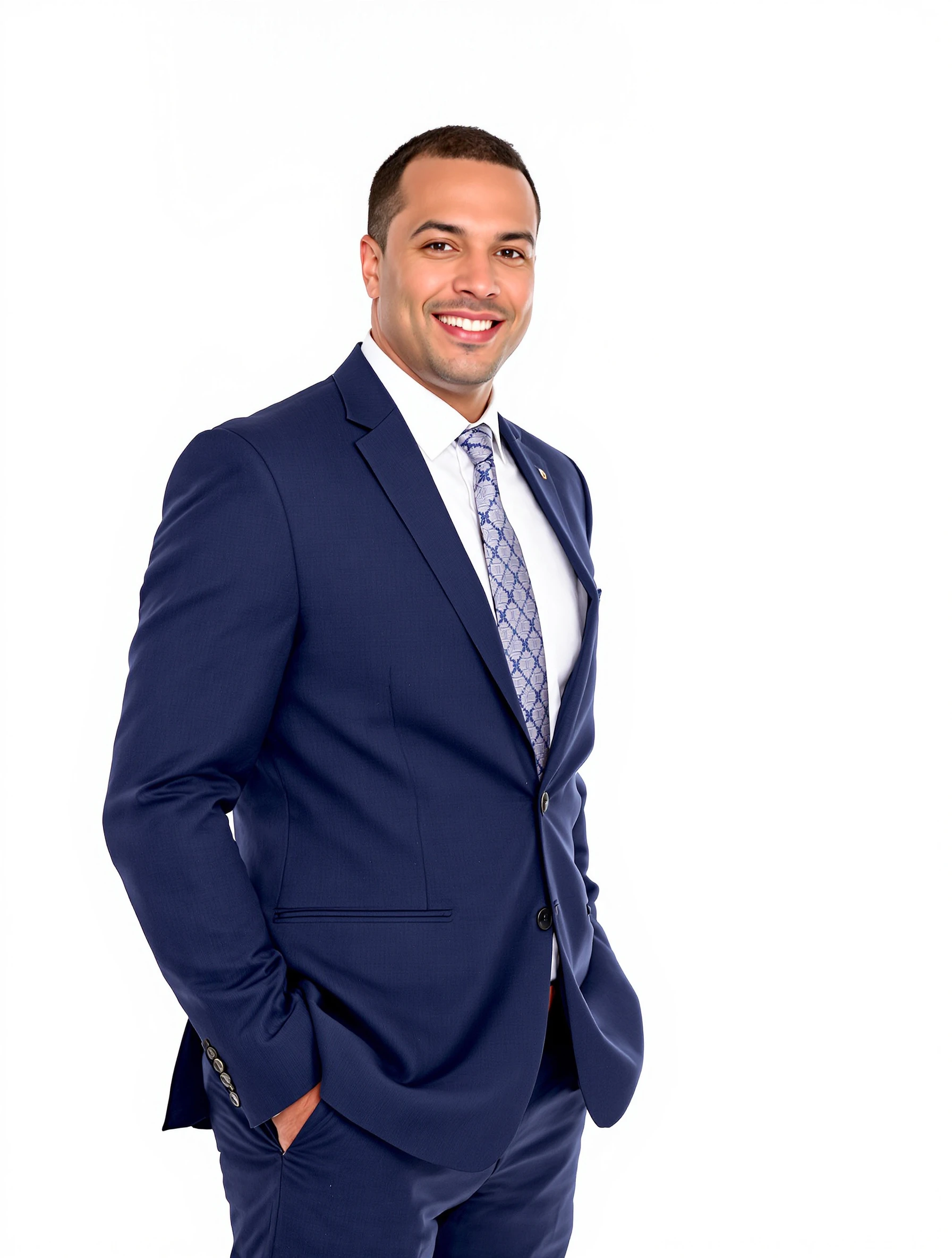
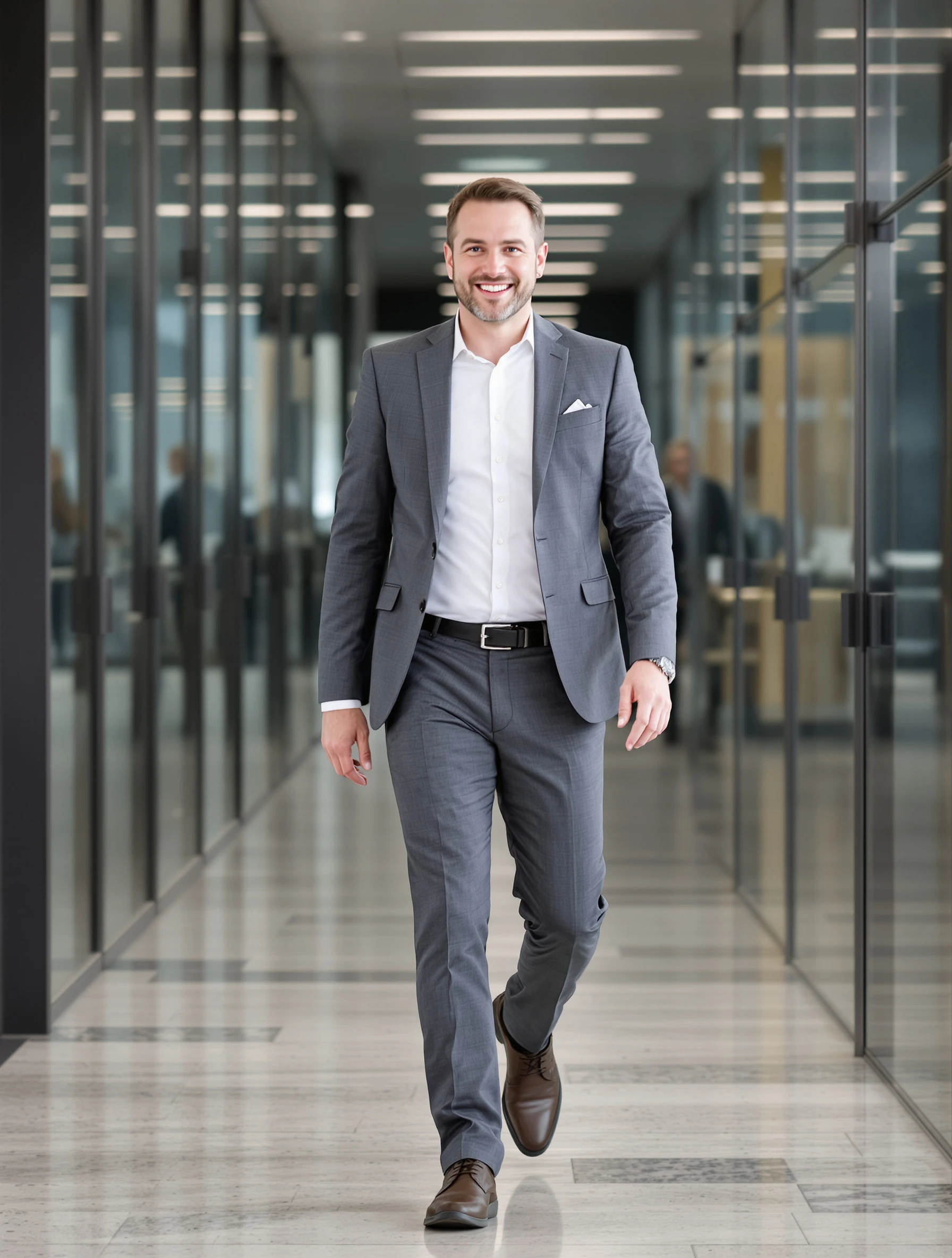
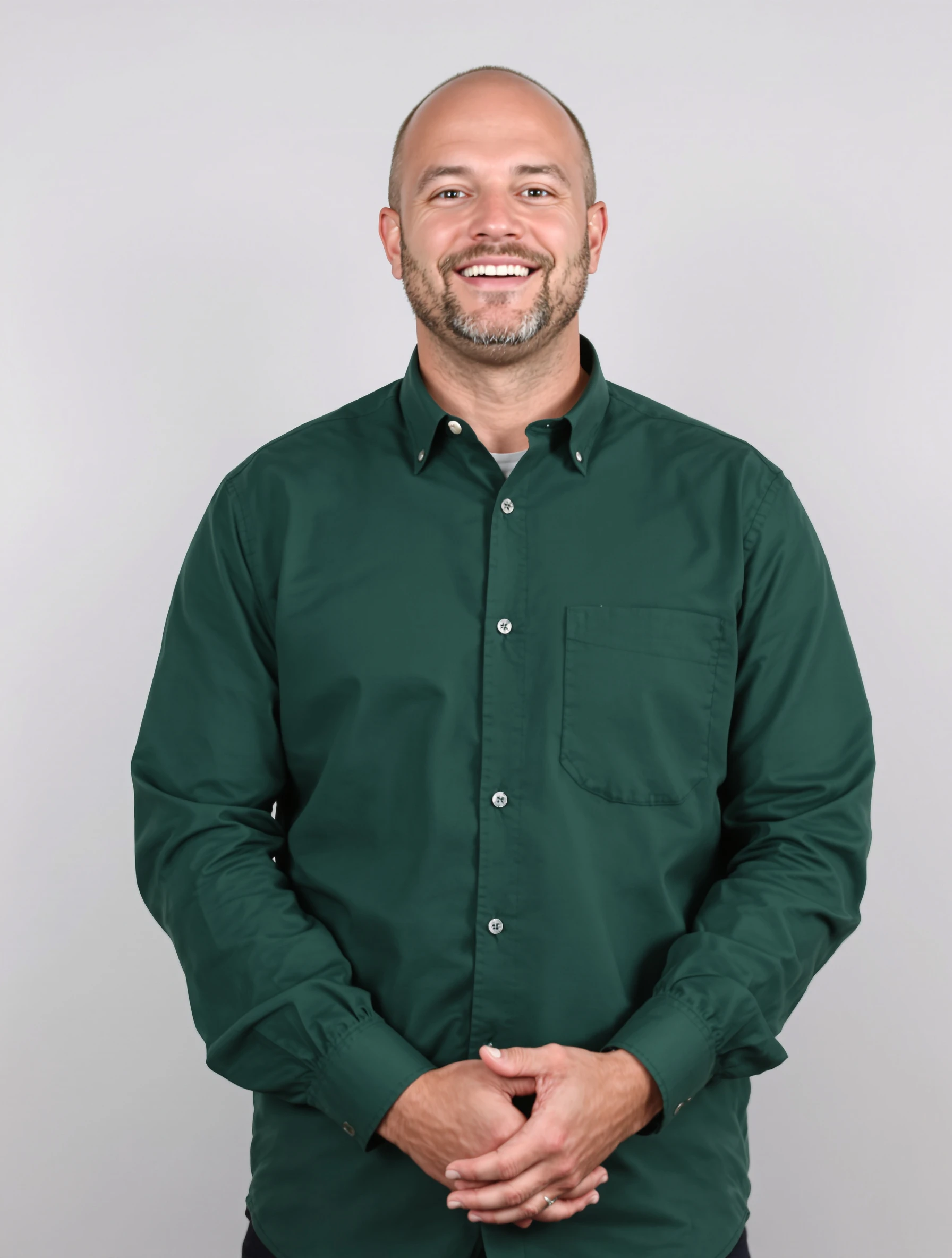

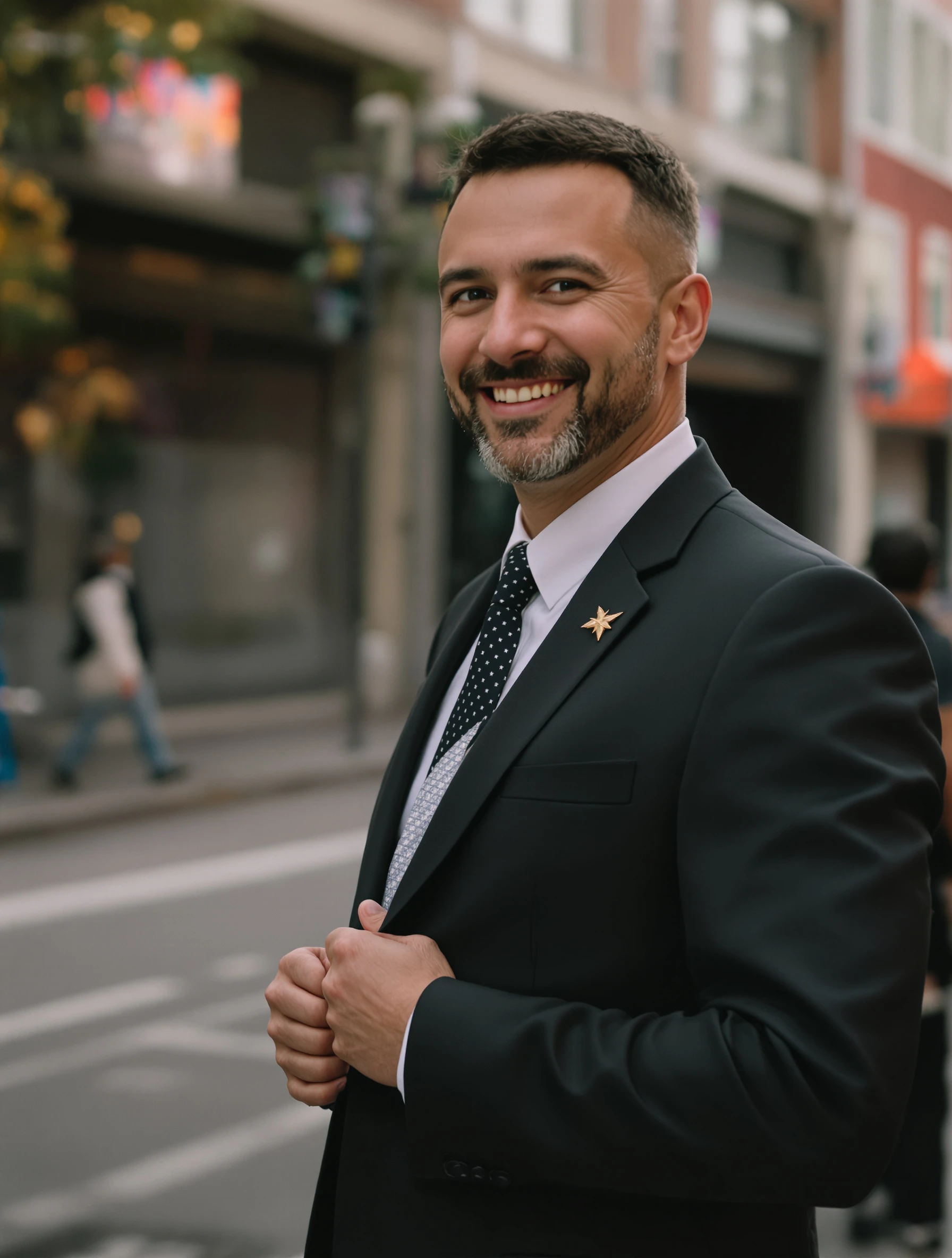

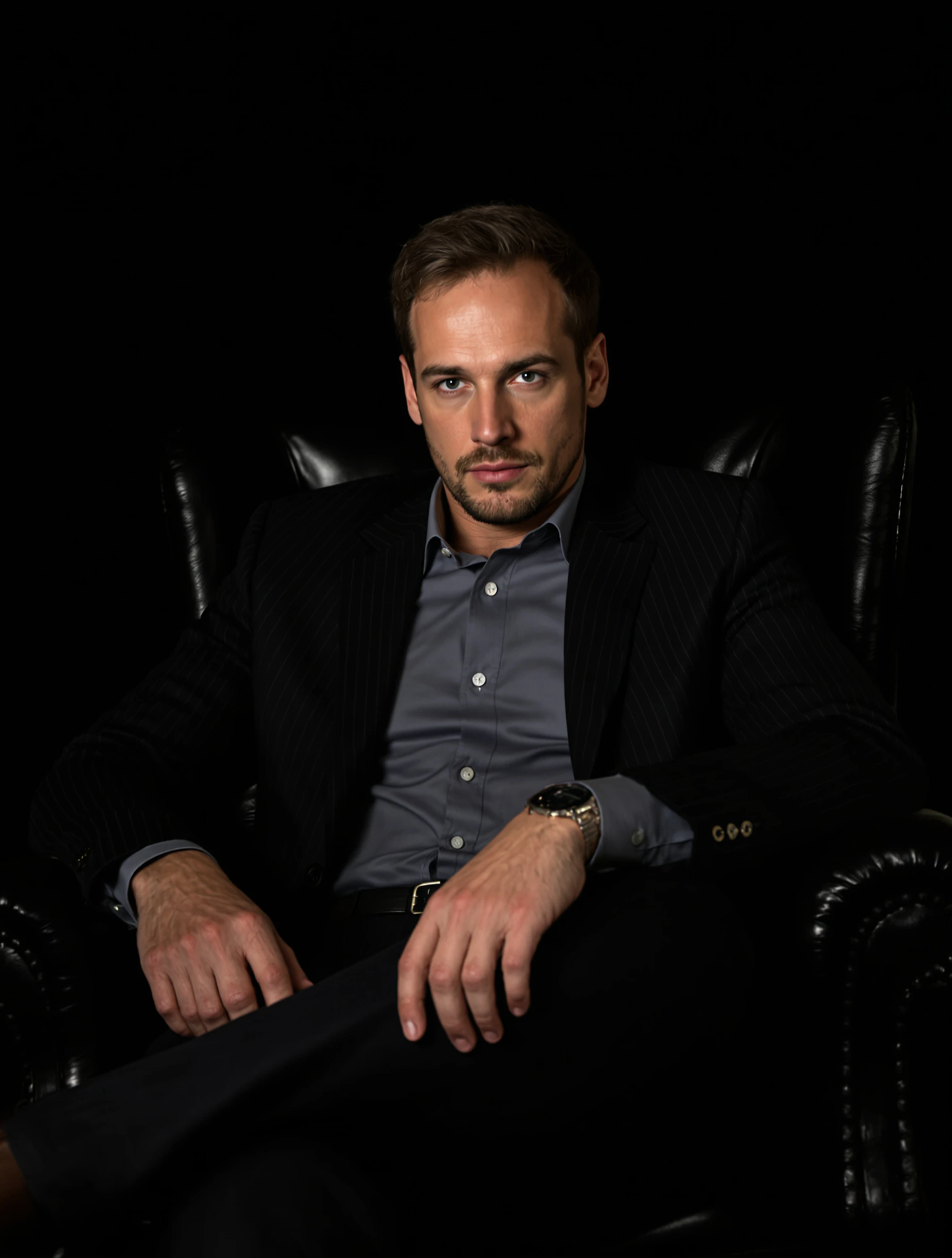
The 45-degree turn: the default headshot pose
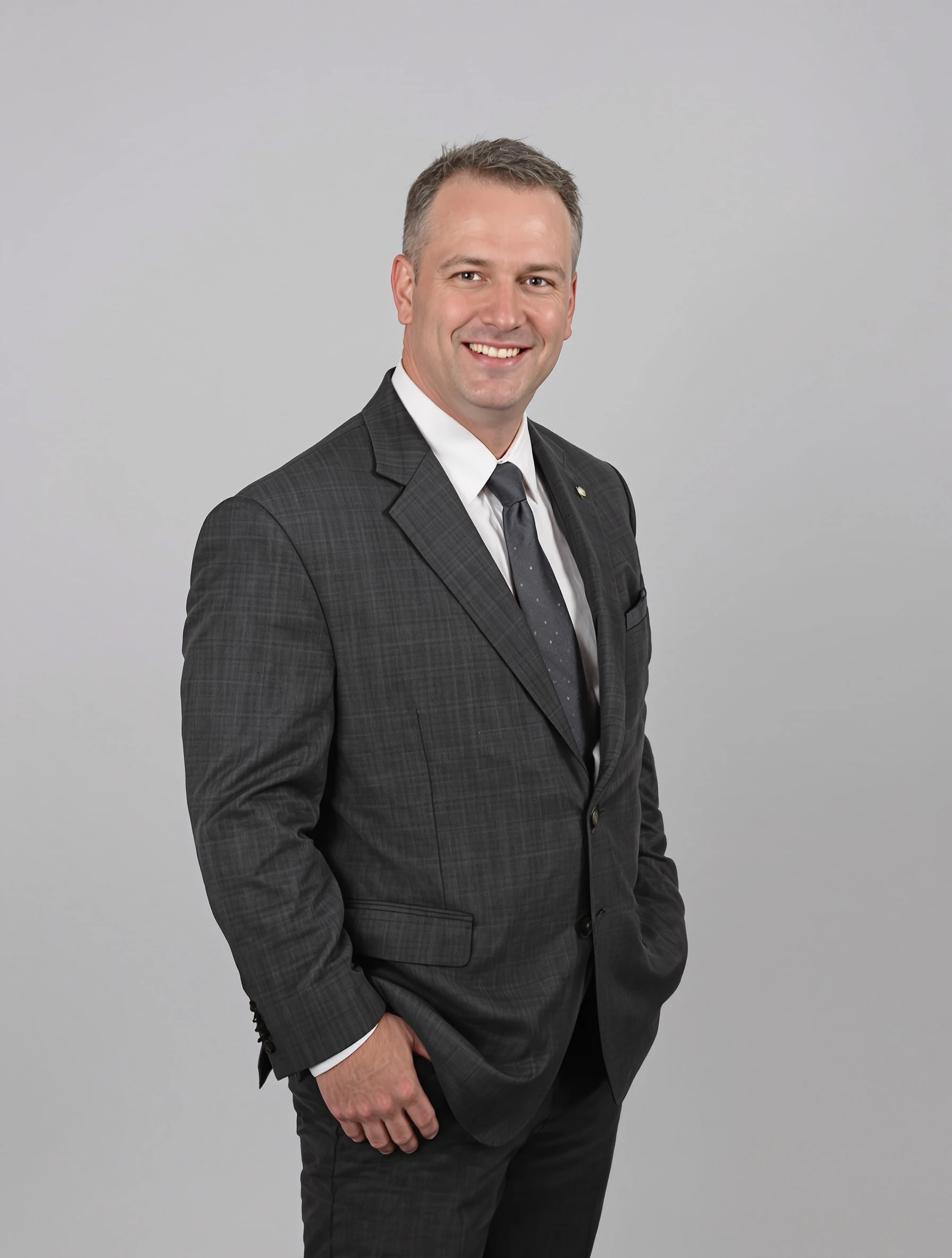
If you only learn one pose, learn this one. Turn your body about 45 degrees away from the camera, then turn your head back toward the lens. Your shoulders narrow slightly, your jawline gets a clean edge, and the pose looks natural because it is how people stand when they turn to greet someone.
Keep the shoulder nearest the camera slightly dropped. If both shoulders sit at the same height the turn looks forced. Weight goes on the back foot, which pulls your hips away from the lens and keeps the frame focused on your face.
This pose works for every industry. Corporate, legal and finance headshots use it almost exclusively; it also sits fine on a startup team page if the expression is relaxed.
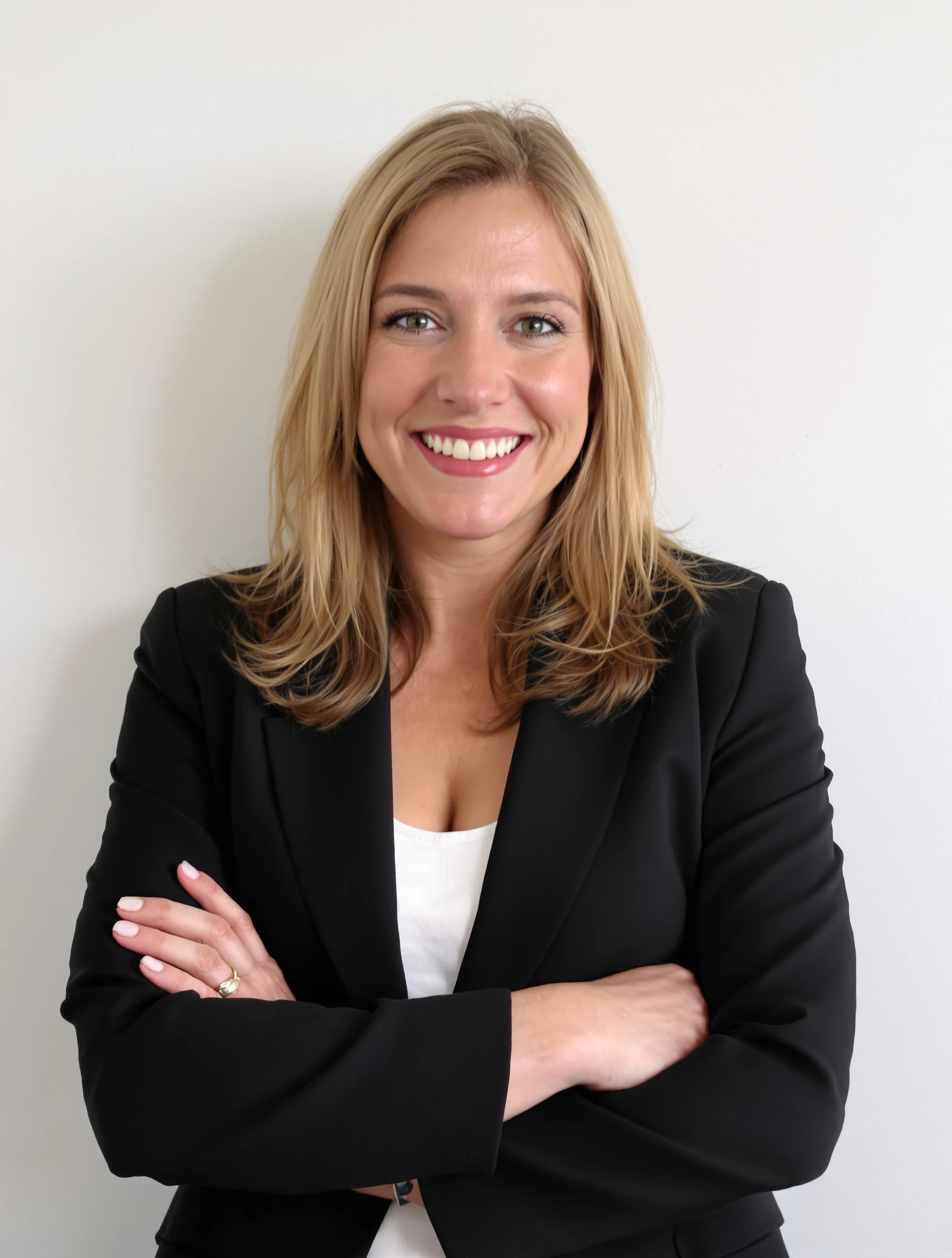
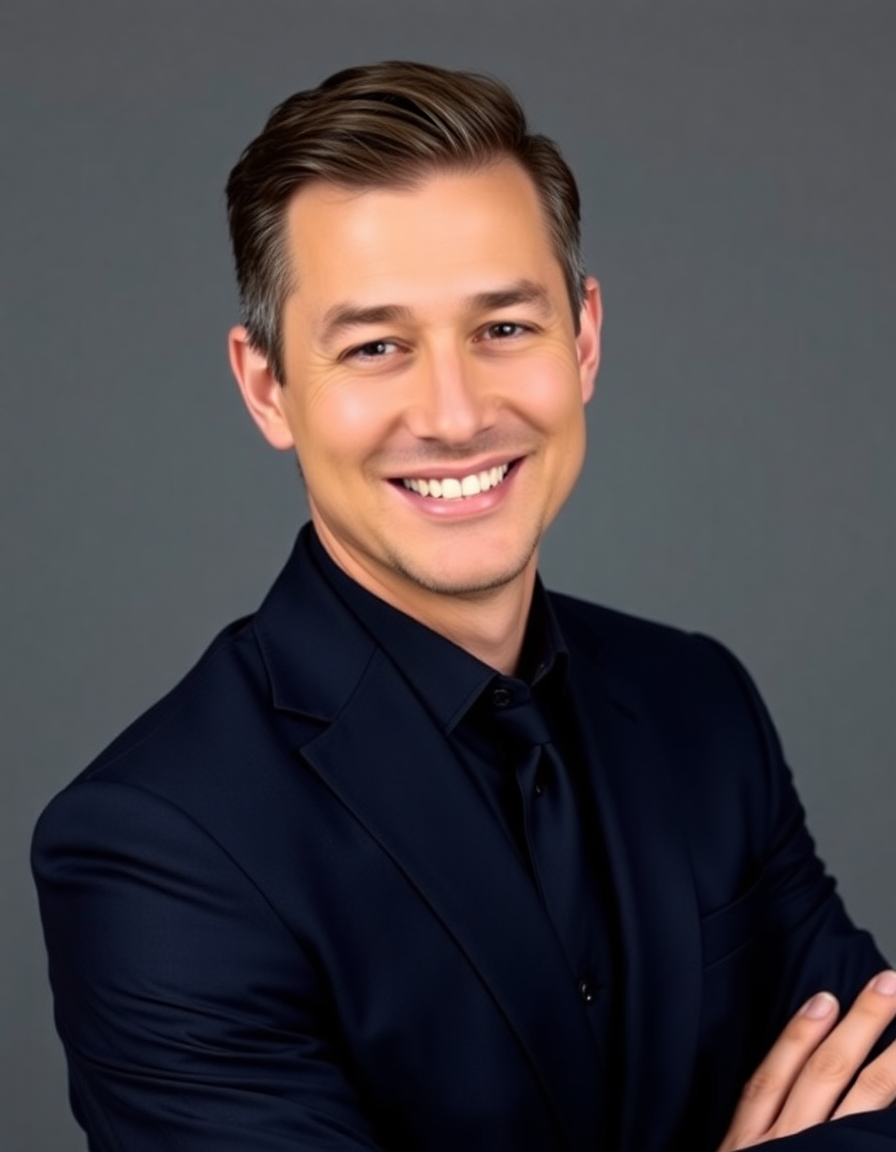
Arms crossed: confident, but only with a soft face
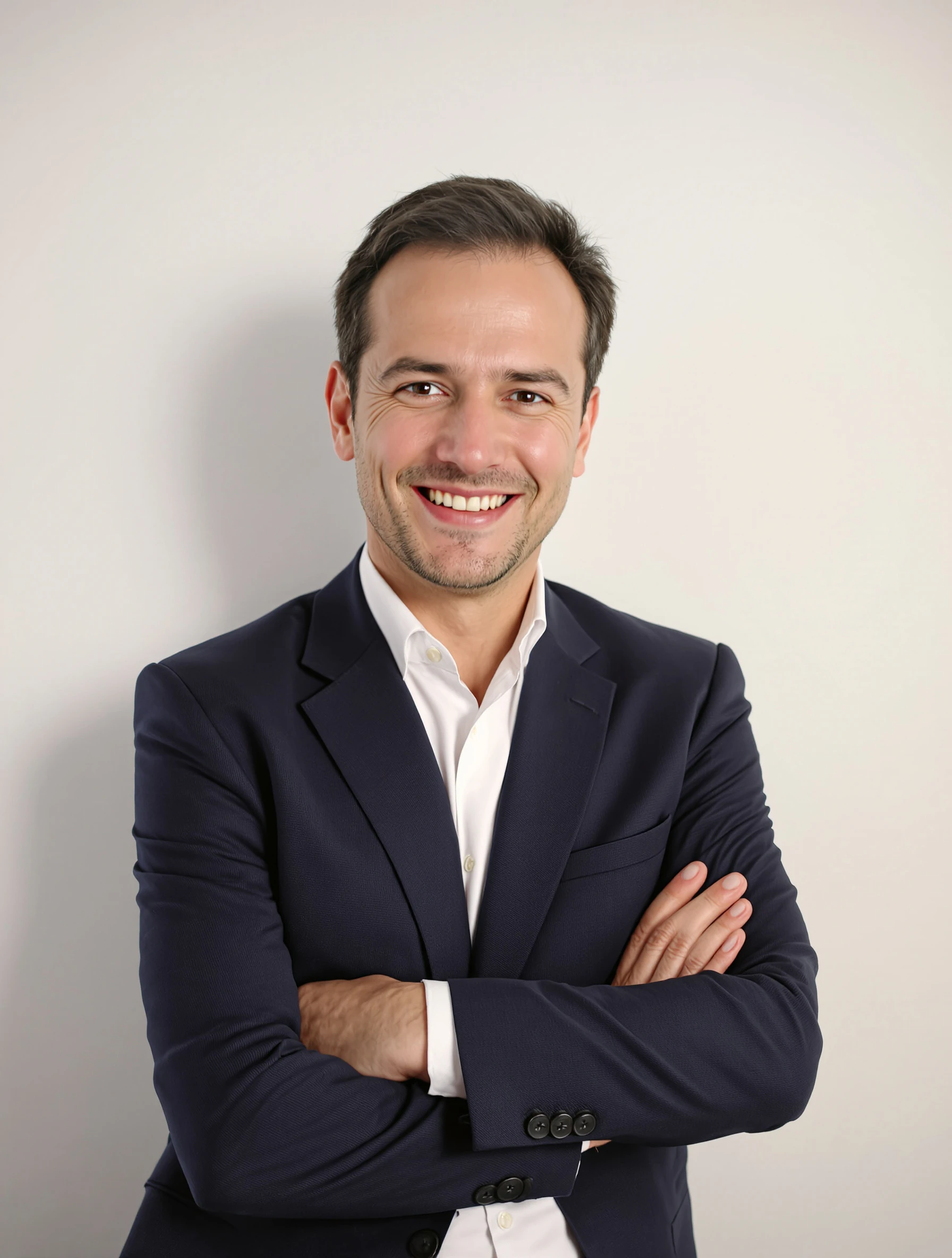
Crossed arms are the most misunderstood headshot pose. They signal confidence and authority when the shoulders are down, the elbows are relaxed and the face is warm. They signal defensiveness when the shoulders creep up, the grip is tight, and the smile is thin.
The fix is to cross your arms lower than feels natural, around the bottom of the ribcage, and let one hand show. Hide both hands and the pose looks like a mugshot. Consultants, coaches, trainers and anyone selling expertise get a lot out of this pose because it says 'I know what I'm doing' without saying it.
- Cross low, not high on the chest
- Let one hand rest visibly on the opposite arm
- Drop the shoulders before the shutter fires
- Pair it with a real smile, not a neutral face
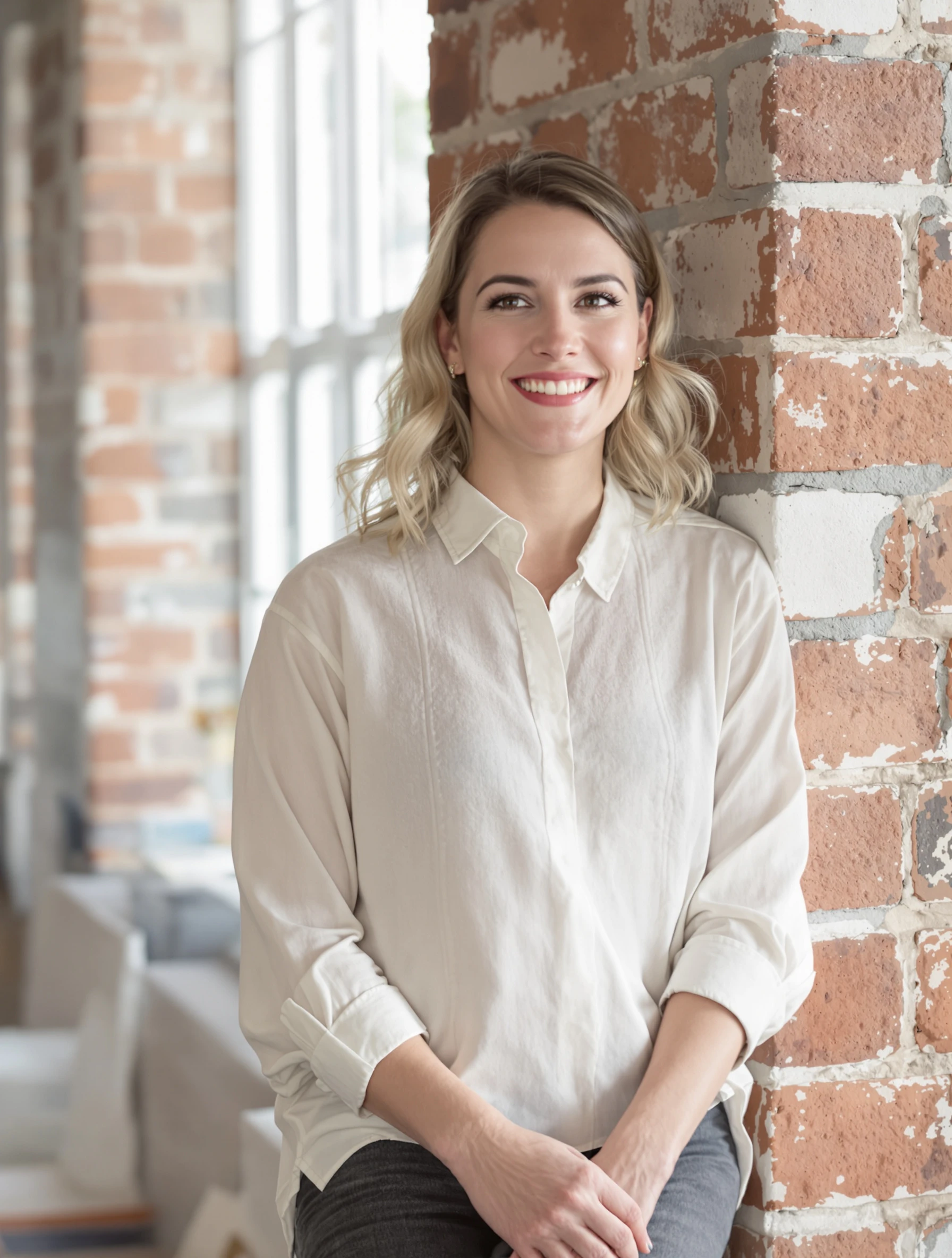
Leaning against a wall
A wall lean gives you something to do with your body, which is why it photographs as relaxed. Put one shoulder against the wall, cross your ankles or keep the far foot back, and turn your face to the camera. Brick, concrete and painted walls all work; the texture becomes a soft background instead of a flat studio grey.
This is the pose to reach for if you hate studio backdrops. Architects, designers, founders and real estate agents use it because it looks like the photo was taken in the middle of a working day rather than in a booth.
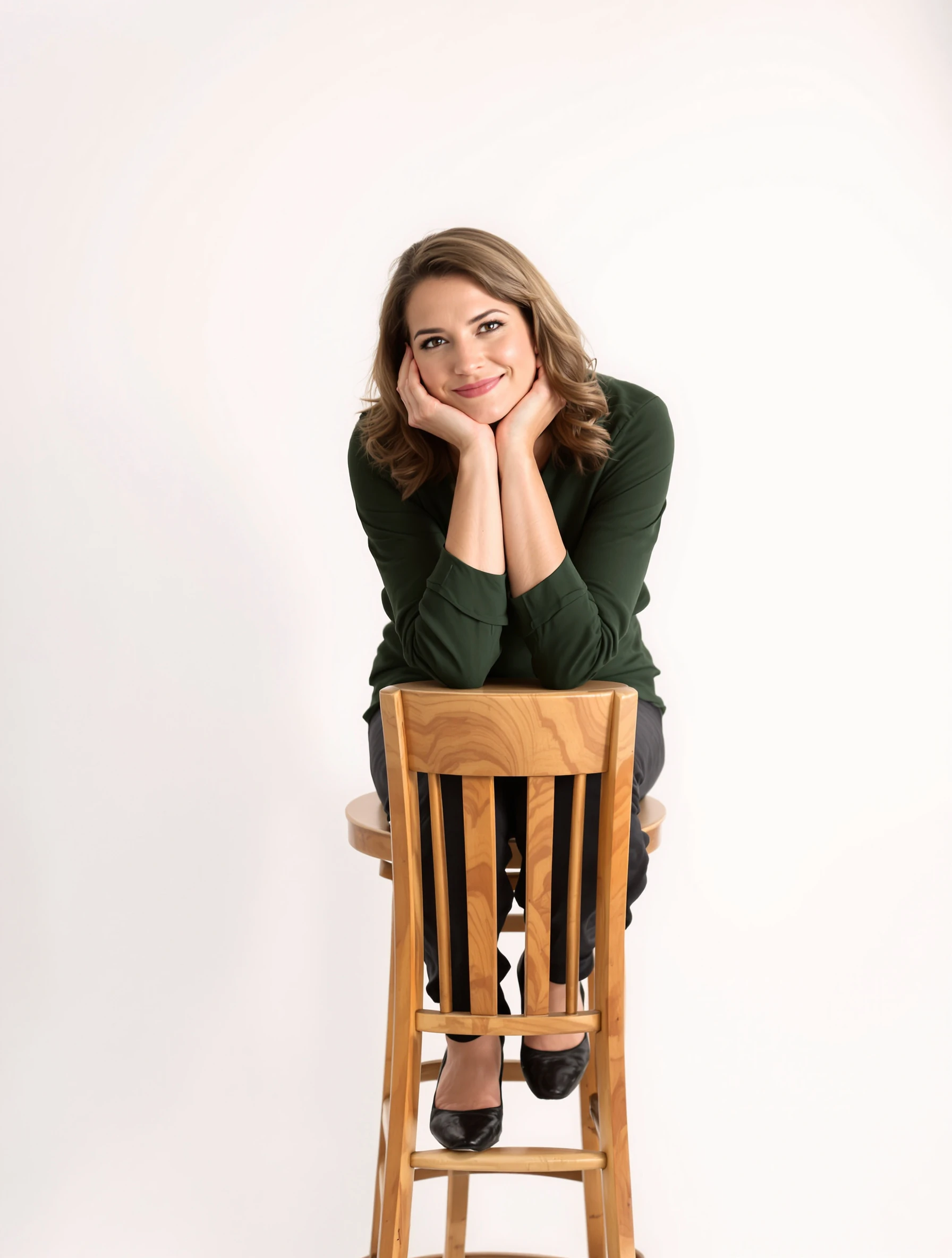
Seated poses
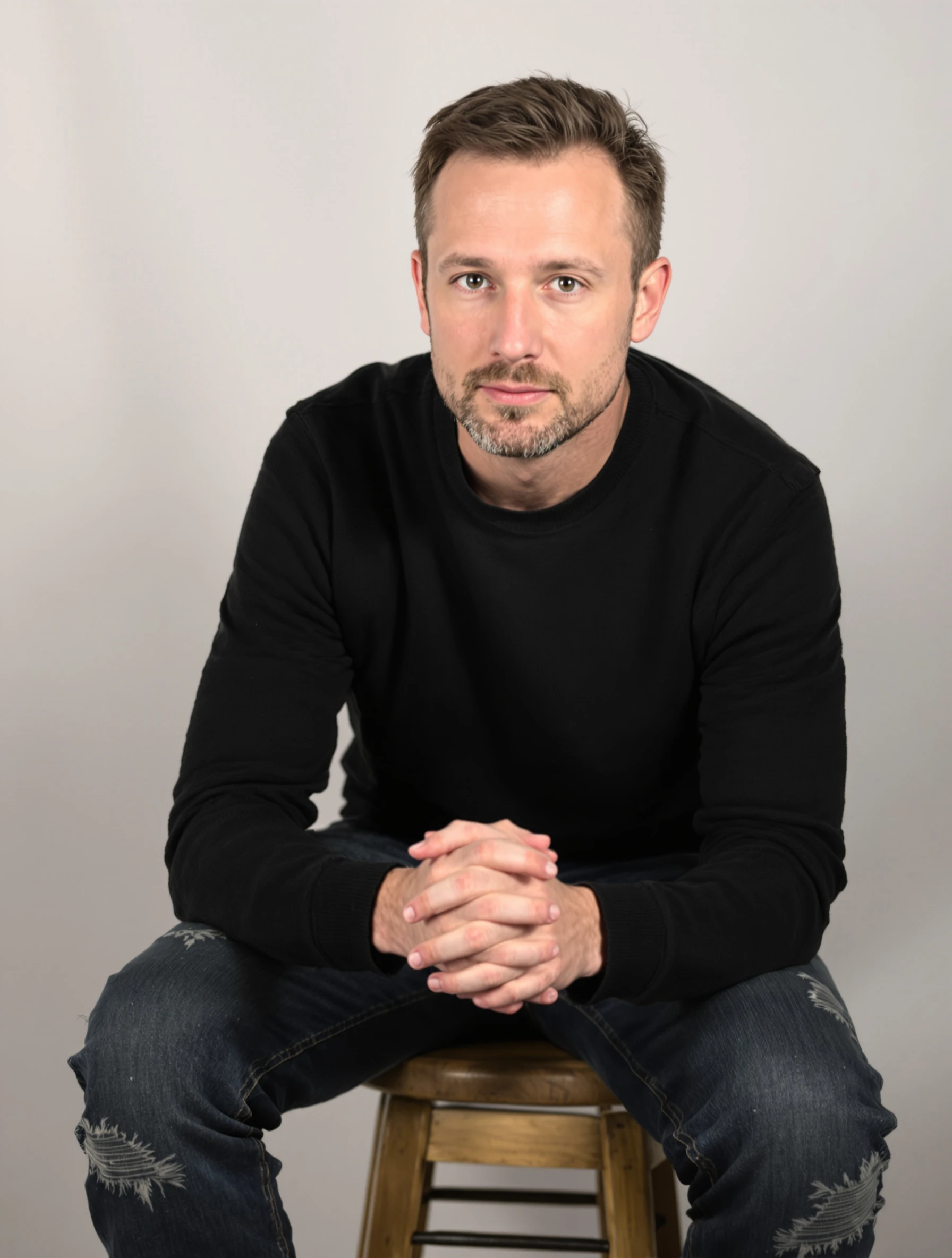
Sitting on a tall stool with your elbows on your knees and a slight lean toward the camera is the most engaging headshot pose there is. The lean says interest. The elbows give the arms a job. Because you are lower than the camera, the photographer shoots slightly down, which flatters almost every face shape.
Avoid slumping. Sit on the front third of the stool, lengthen the spine, then lean from the hips rather than the neck. An armchair variation, with legs crossed and one arm on the rest, reads more senior and suits executives and partners.
Hands in pockets
Hands in pockets is the easiest way to relax a nervous subject because it solves the 'what do I do with my hands' problem instantly. Thumbs out, fingers in. Both hands in makes the shoulders round forward, so try one hand in a pocket and the other relaxed at your side or holding a lapel.
It works best in three-quarter framing where the pockets are actually visible. In a tight head-and-shoulders crop the hands disappear anyway, and the only thing that changes is that your shoulders drop, which is still worth it.
Hand on chin, hand on face
The hand-on-chin pose signals thought and is common for authors, academics, therapists and strategists. The rule is light contact: rest, don't press. A hand pushed into the cheek distorts the face. Keep the fingers soft and slightly curled rather than splayed.
Use it sparingly. One thoughtful photo in a set of four is interesting; four of them looks like you are posing for a book jacket.
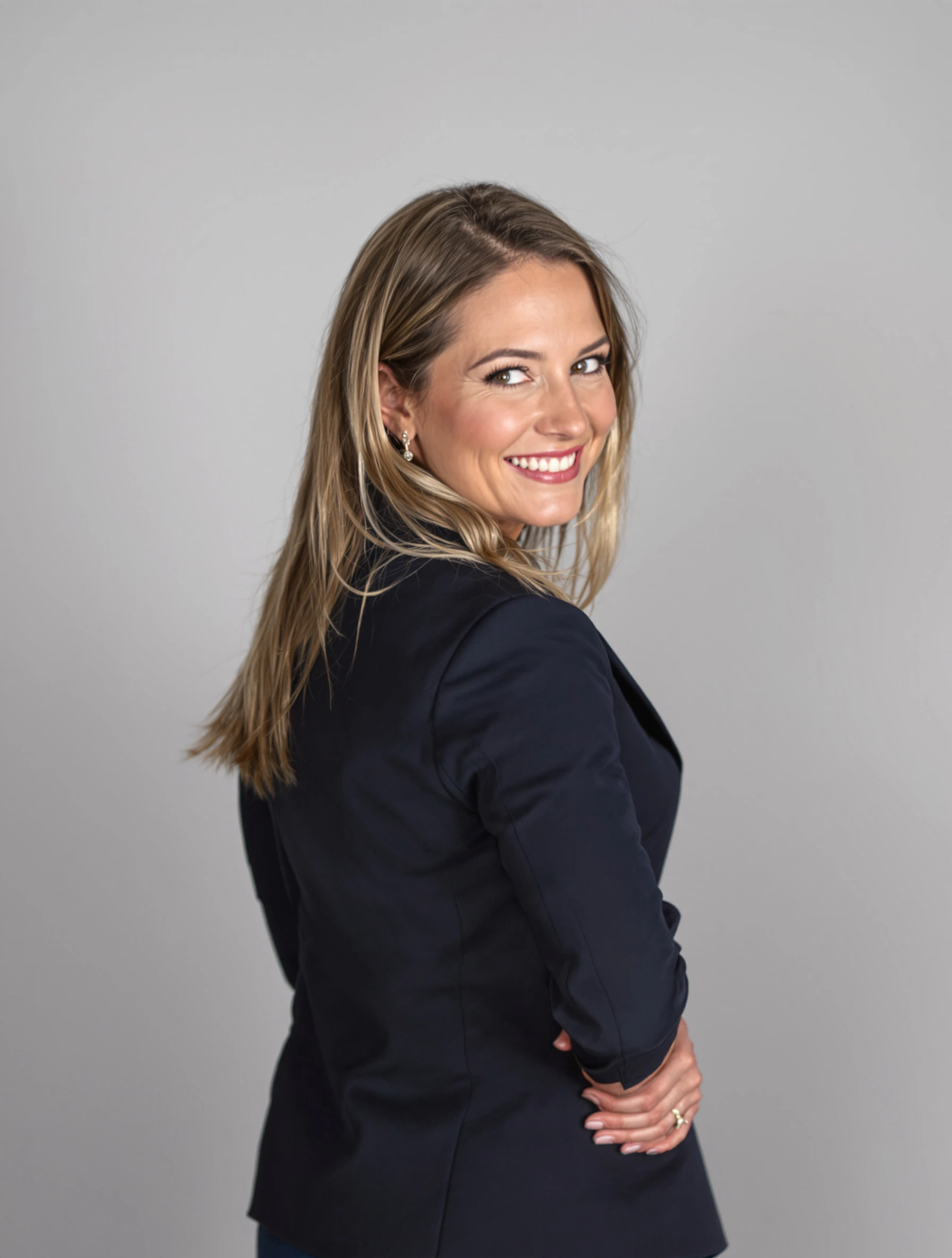
Over-the-shoulder
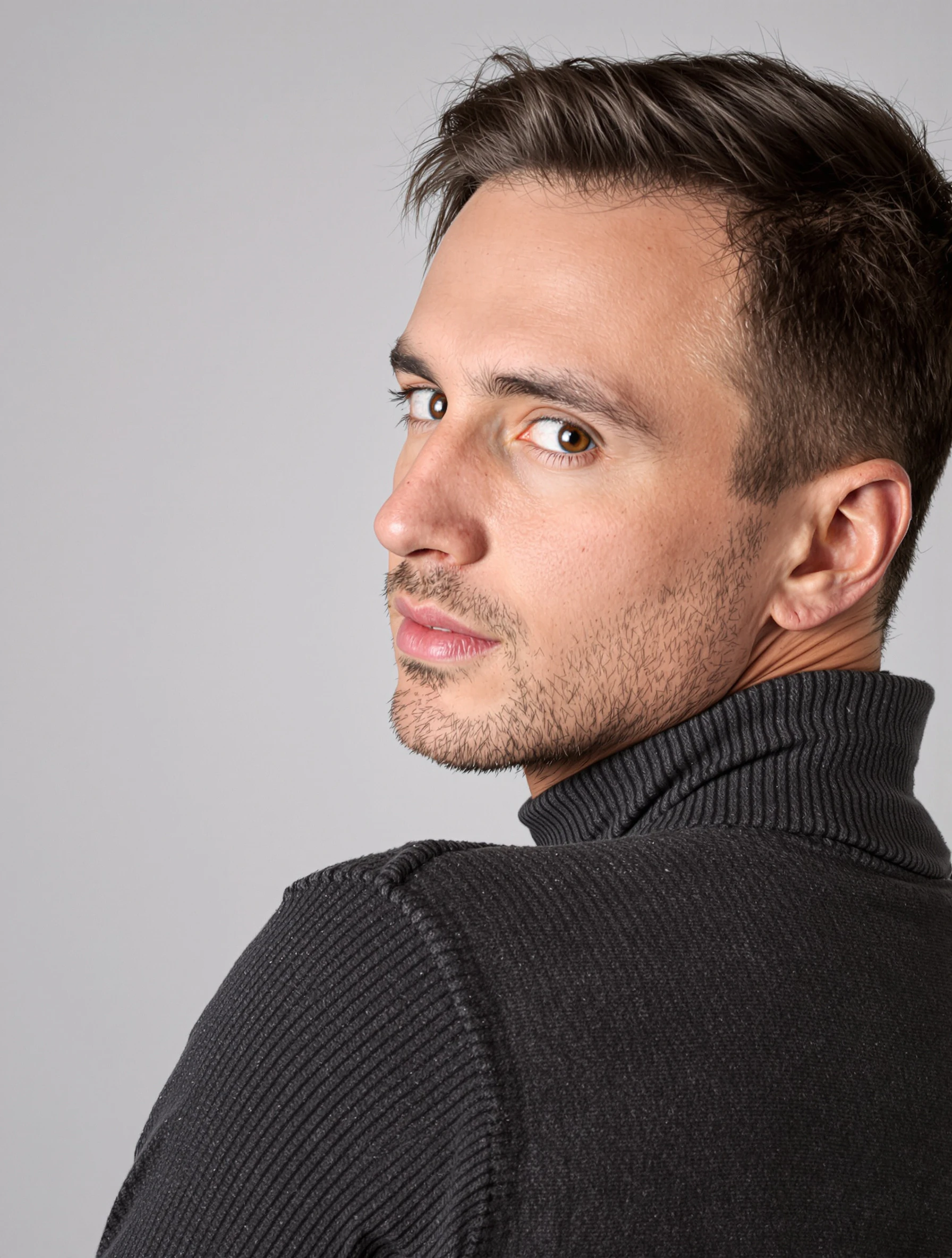
Turn your body almost fully away from the camera and look back over the shoulder. The pose is dynamic, stretches the neck, and hides the body, which some people prefer. It suits creative industries, personal brands and speaker profiles more than a bank's website.
Keep the chin over the shoulder rather than pointing up and away, and make sure the eyes come all the way back to the lens. If they stop halfway the photo looks like you were caught leaving.
Walking and candid poses
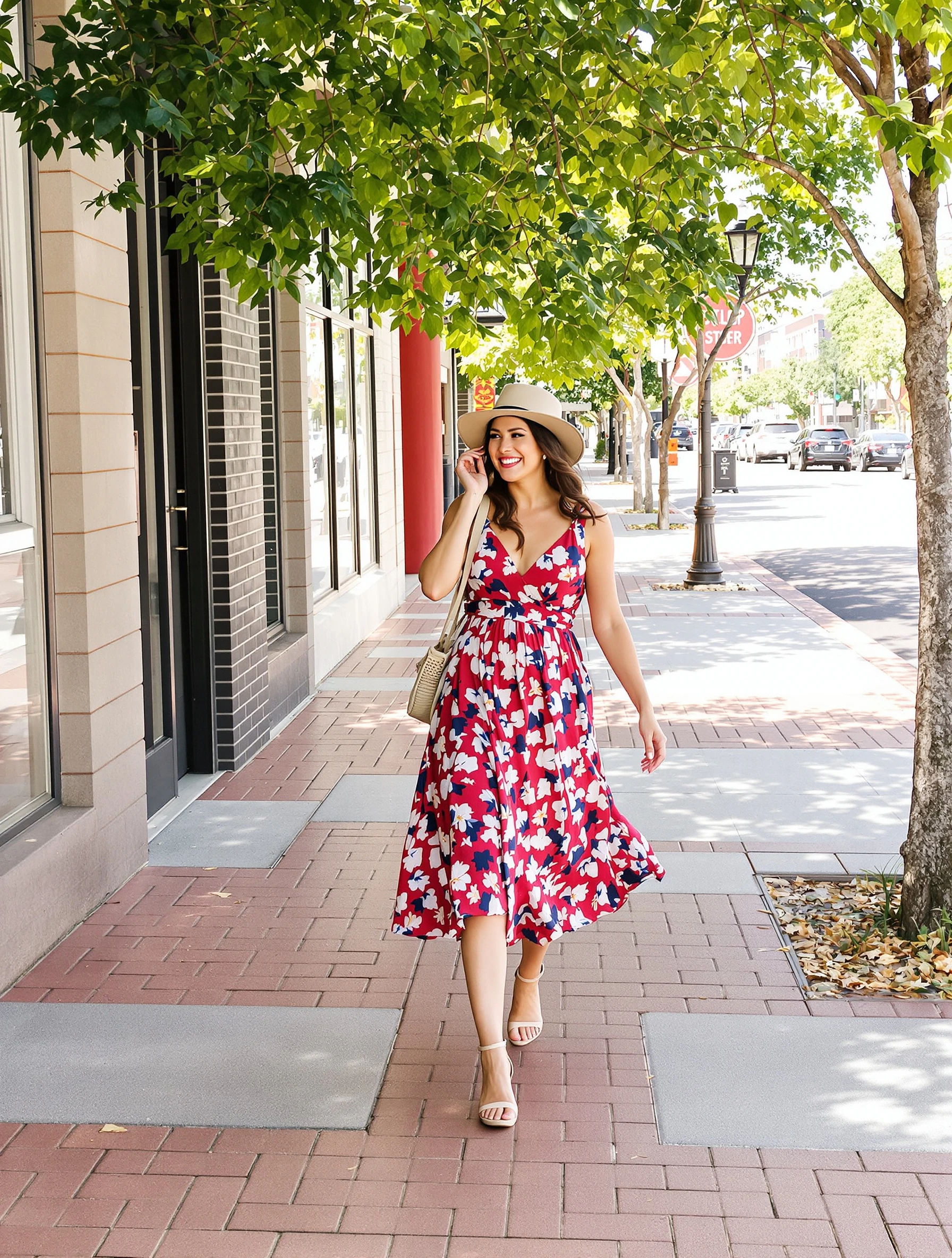
Walking toward the camera and the mid-laugh candid are the two poses that make a headshot look like it belongs to a real person. They are also the hardest to fake. Walk slowly, take small steps, and look at the lens on every second step so the photographer can time it. For the laugh, have someone say something actually funny; a fake laugh photographs as a grimace.
These are the poses to use for team pages, About sections and speaker bios where personality matters as much as polish.
Straight-on
Facing the camera square is a strong, direct pose that can look confrontational or confident depending on the expression. It widens the shoulders, so it flatters slim frames and can overwhelm broader ones. A slight head tilt softens it. Lawyers and executives who want an authoritative photo use it; most people are better served by the 45-degree turn.
Headshot poses for women
The same poses work for everyone, but a few adjustments help. Create space between the arms and the torso so the waist stays visible instead of merging with the arms. A slight chin-forward-and-down movement (think of a turtle coming out of its shell) defines the jaw and removes any double chin. Hands should be soft: fingers together, wrists relaxed, never gripping.
For a warmer feel, tilt the head very slightly toward the higher shoulder. For authority, keep the head level and let the shoulders do the angling.
Headshot poses for men
Men tend to over-square their shoulders and under-move their faces. Angle the body, keep the chin level, and push the forehead slightly toward the camera; this sharpens the jaw and makes the eyes look more engaged. Hands in pockets, arms crossed low, and the wall lean are the most reliable options.
Watch the expression. A closed-mouth half smile with soft eyes reads as approachable and competent. A full grin can look great on a founder and out of place on a litigator, so match it to what the photo is for.
Corporate vs creative poses
Corporate headshots (law, finance, consulting, healthcare) stay in a narrow lane: 45-degree turn, straight-on, or arms crossed low, against a neutral backdrop, in a blazer or lab coat. Creative headshots (design, marketing, media, tech) can use the wall lean, seated, walking and candid poses, natural locations, and more relaxed clothing.
If you need one photo to serve both, shoot the 45-degree turn in a relaxed outfit against a real-world background. It is formal enough for a bio and human enough for social.
What to do with your hands
Every awkward headshot has awkward hands. Give them a job: a pocket, a lapel, the opposite arm, a chin, a stool edge, a jacket button. If they have nothing to hold, let them hang with the fingers slightly curled, not straight and stiff. Never interlace the fingers in front of the body; it reads as anxious.
Mistakes that ruin an otherwise good pose
- Shoulders up around the ears (exhale before the shot)
- Chin pulled back, which creates a double chin on everyone
- Leaning the whole body instead of leaning from the hips
- Eyes looking at the photographer's face instead of the lens
- Holding a smile for more than three seconds so it goes stale
- Squaring up to the camera when you meant to angle
Get these poses without booking a studio
Every image on this page was generated with PixelPanda's AI headshot generator from a single reference photo. Upload one clear selfie, pick the pose and outfit you want, and you get studio-quality headshots in minutes. If you are refreshing a LinkedIn photo or need a whole team's headshots to match, it is a fraction of the cost of a session, and you can try every pose above without a photographer counting the minutes.
Tips for Headshot Poses That Actually Look Professional
Angle the body, not the face
Turn your shoulders 30-45 degrees away from the camera, then bring your face back to the lens. Squared shoulders look stiff; a full profile hides the face.
Give your hands a job
Pockets, a lapel, the opposite arm, a stool edge. Hands with nothing to do go stiff, and stiff hands read as nervous even in a tight crop.
Drop the shoulders, exhale
Before every frame, breathe out. Shoulders rise when people are nervous and it makes the neck disappear.
Chin forward and slightly down
Push the forehead toward the camera a touch. It defines the jaw and removes the double chin that a pulled-back chin creates on everyone.
Look at the lens, not the person
Eye contact with the glass reads as eye contact with the viewer. Looking at the photographer's face puts your gaze a few degrees off, and it shows.
Shoot from slightly above
Camera at or just above eye level flatters nearly every face. Shooting from below adds weight to the jaw and makes nostrils the focal point.
Frequently Asked Questions
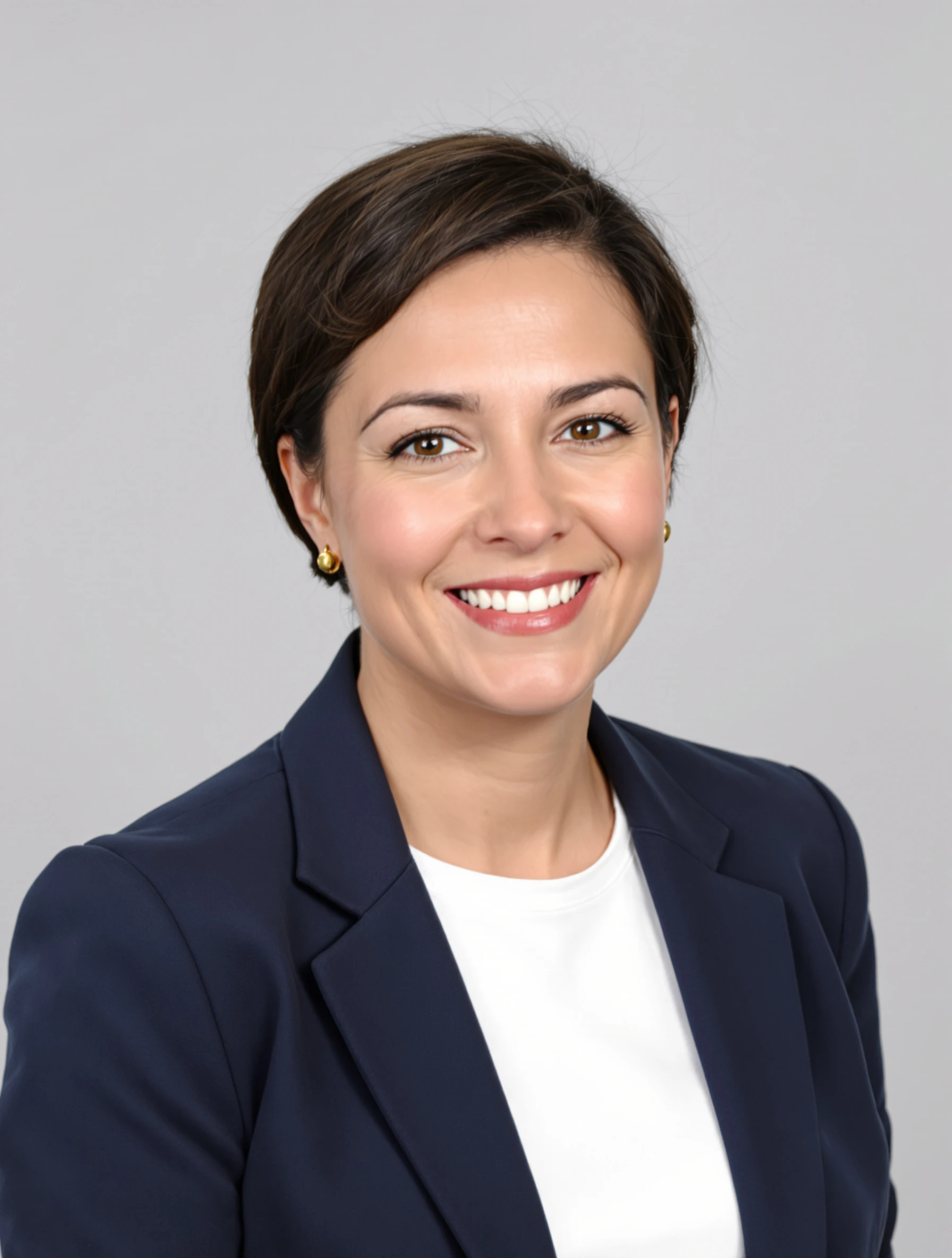

Try every pose on this page in minutes
Upload one selfie and generate professional headshots in the pose, outfit and background you want.
Get StartedAI Dating Photos
Create stunning dating profile photos with AI.
AI Headshots
Professional headshots for LinkedIn and business.
Photo Gallery
Browse thousands of AI-generated photos by category.
AI Product Photos
Studio-quality product photography with AI.
AI Headshot Generator
Browse more poses photos.
LinkedIn Headshots
Browse more poses photos.
AI Headshot Statistics
Browse more poses photos.