What to Wear for Headshots
Colors, necklines, fabrics and accessories that photograph well, sorted by industry, with 28 outfit examples for men and women and a short list of things that always look worse on camera than in the mirror.
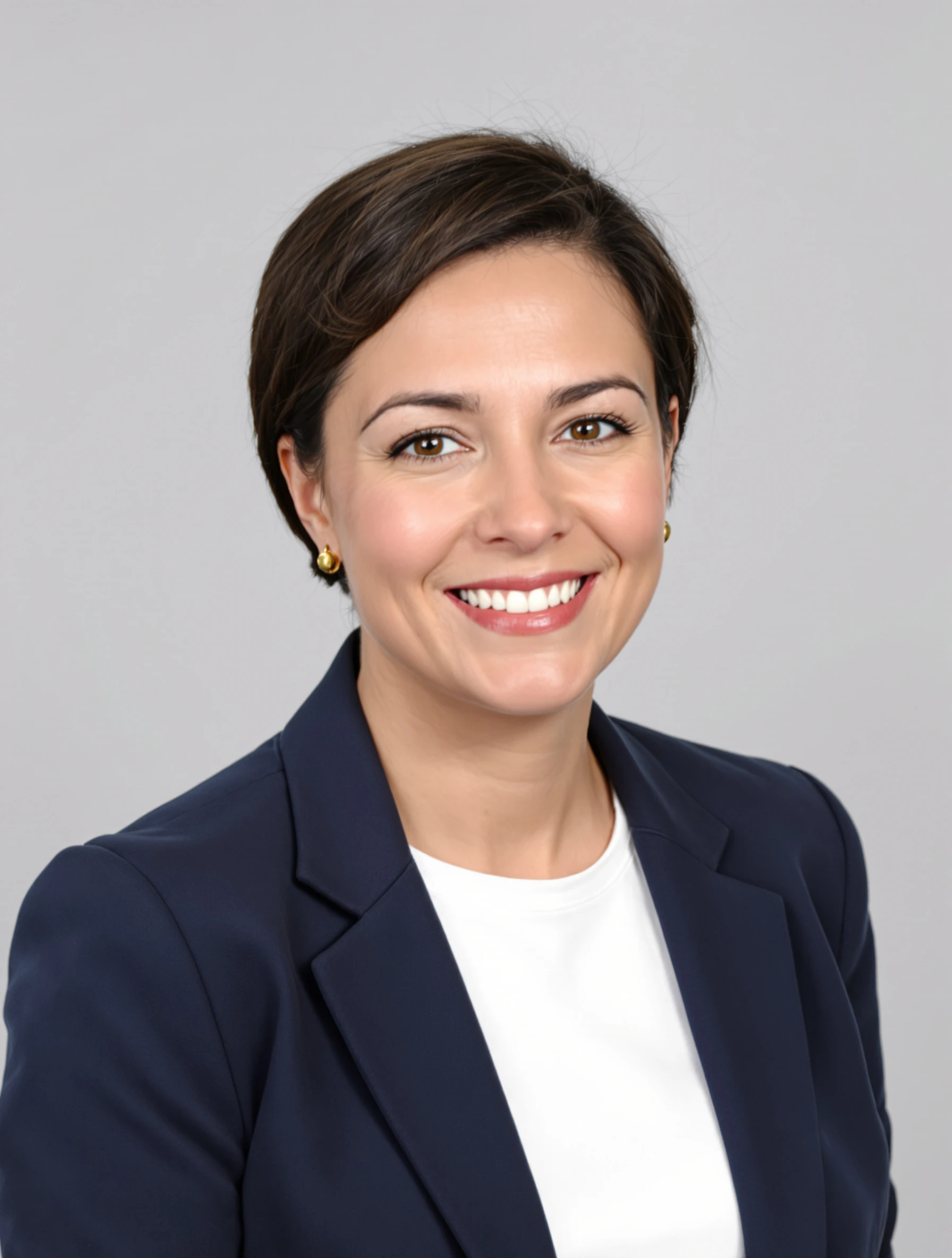
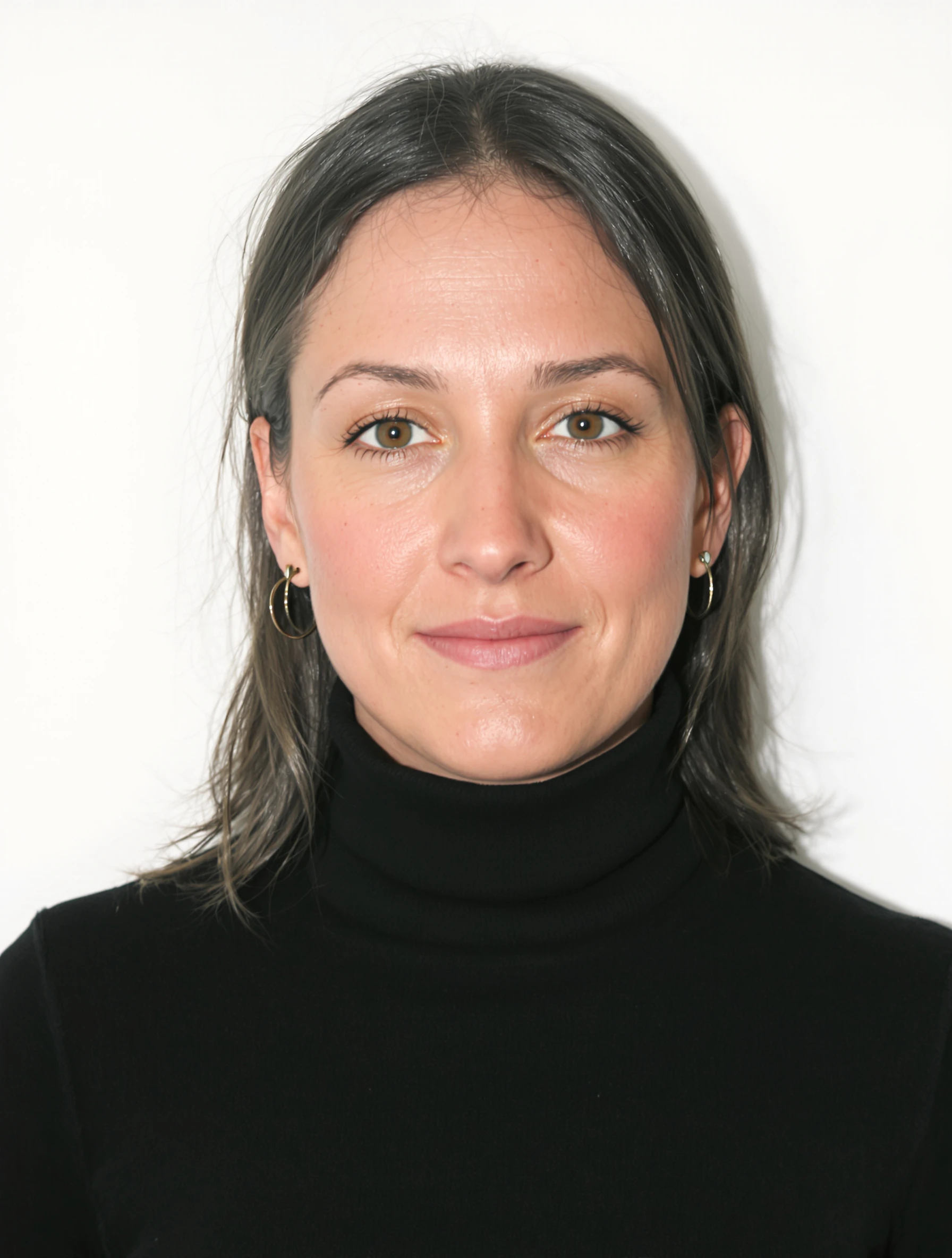

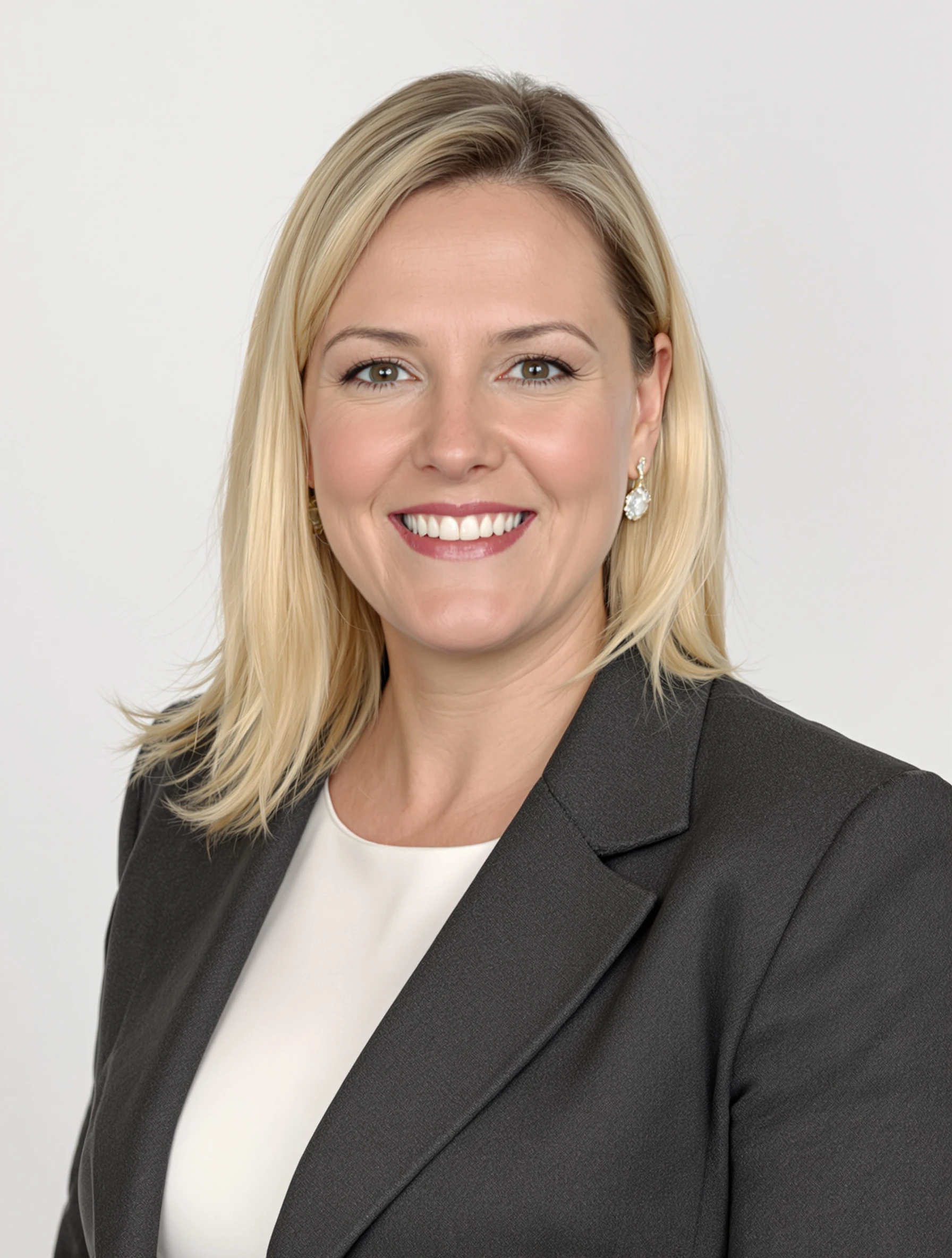
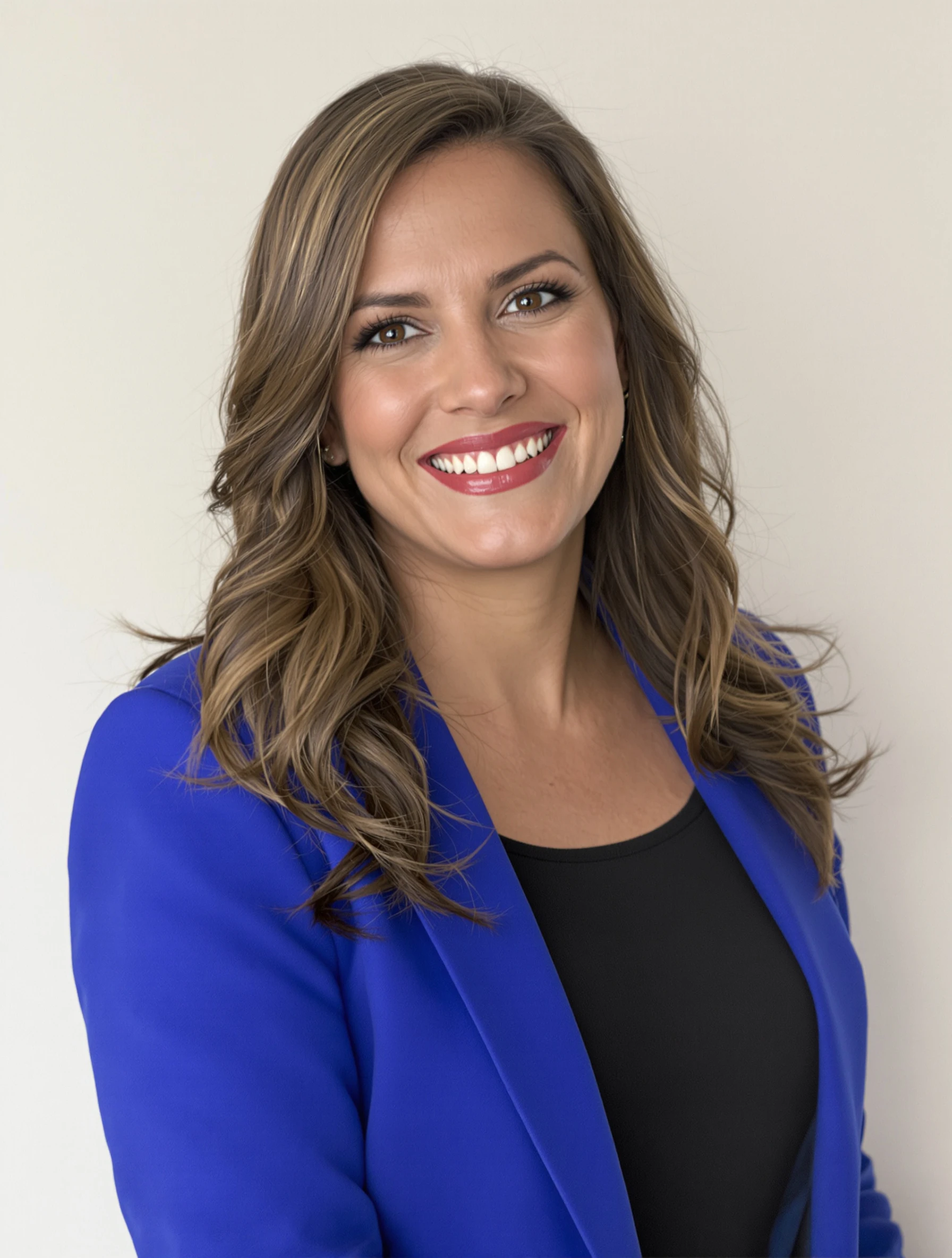

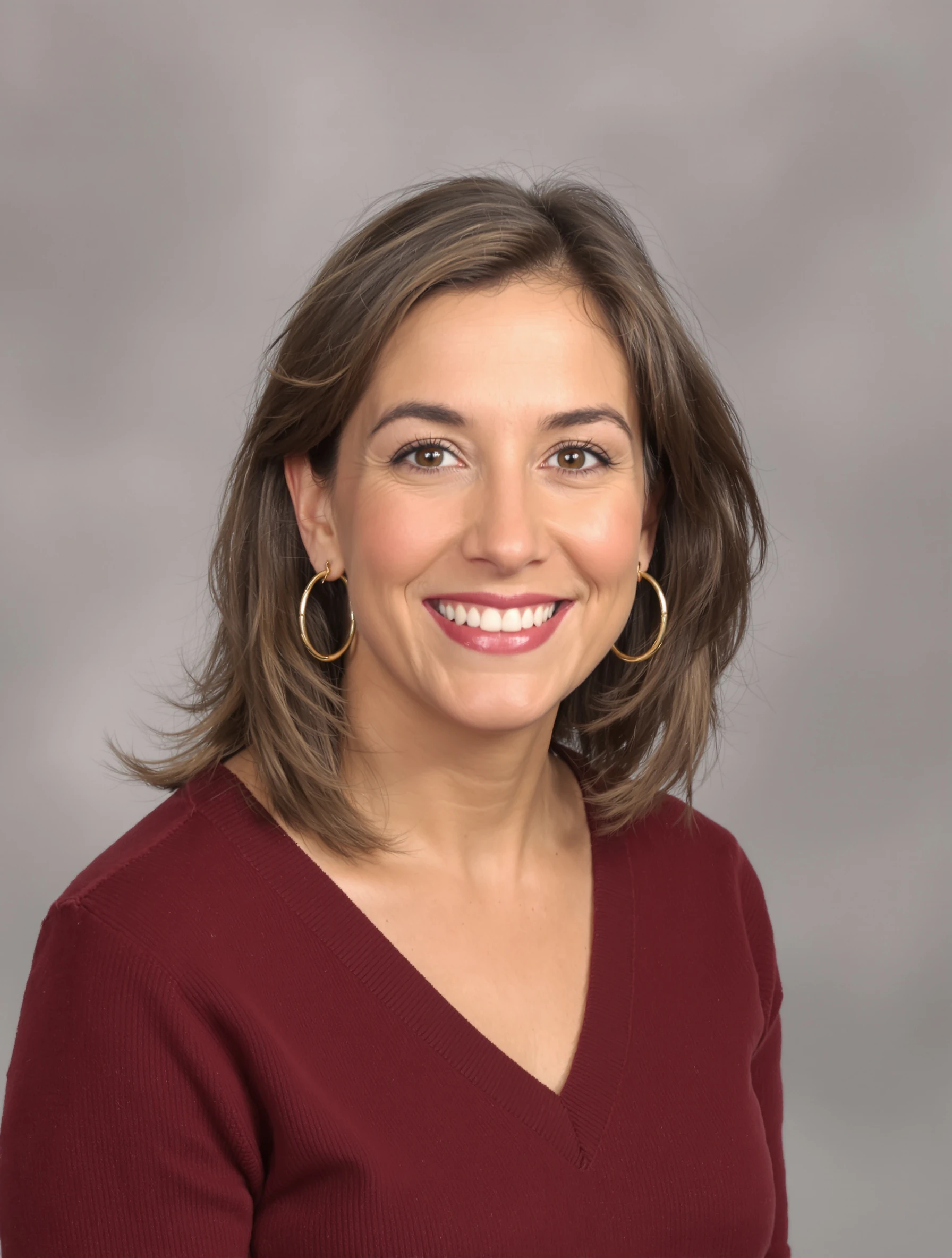
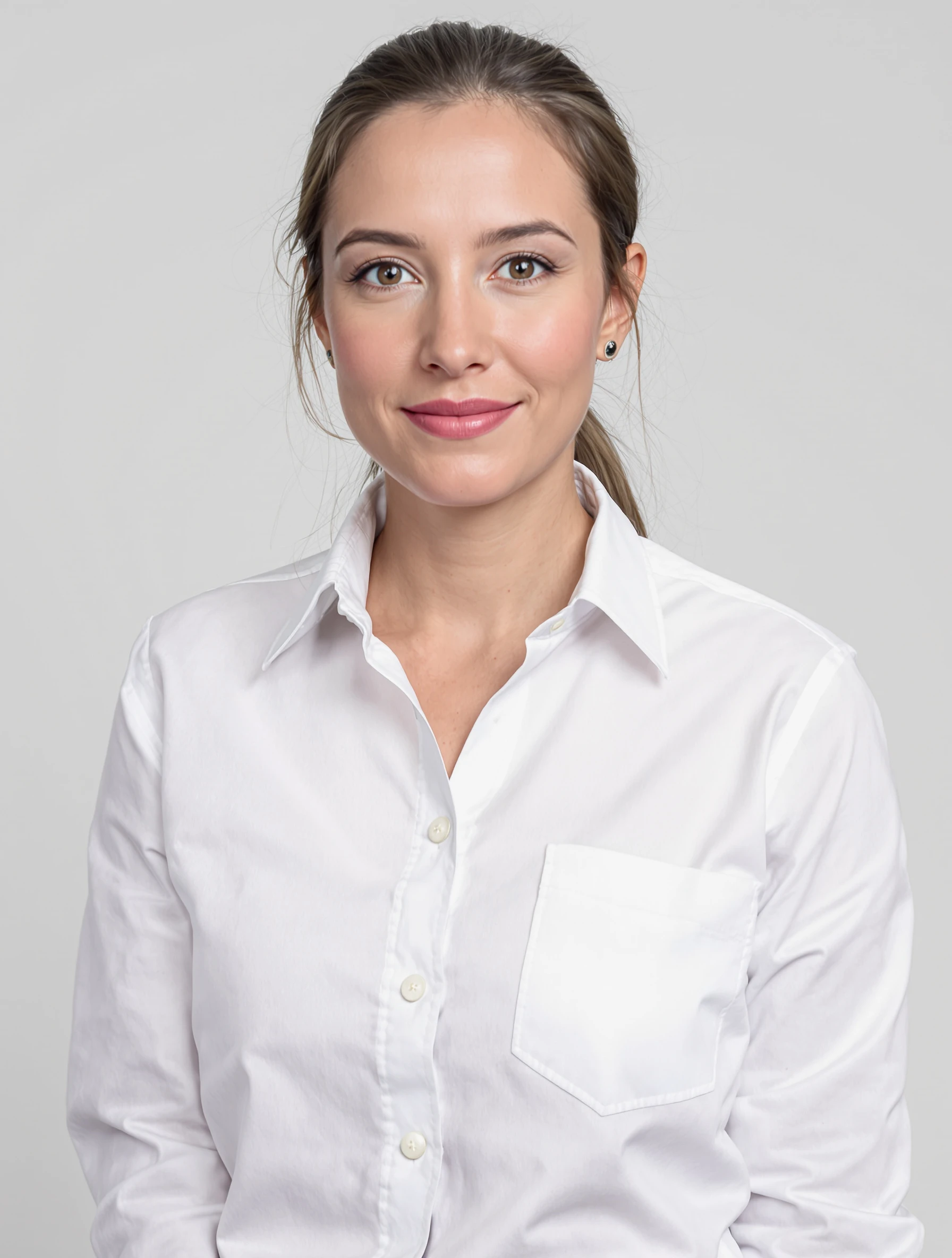
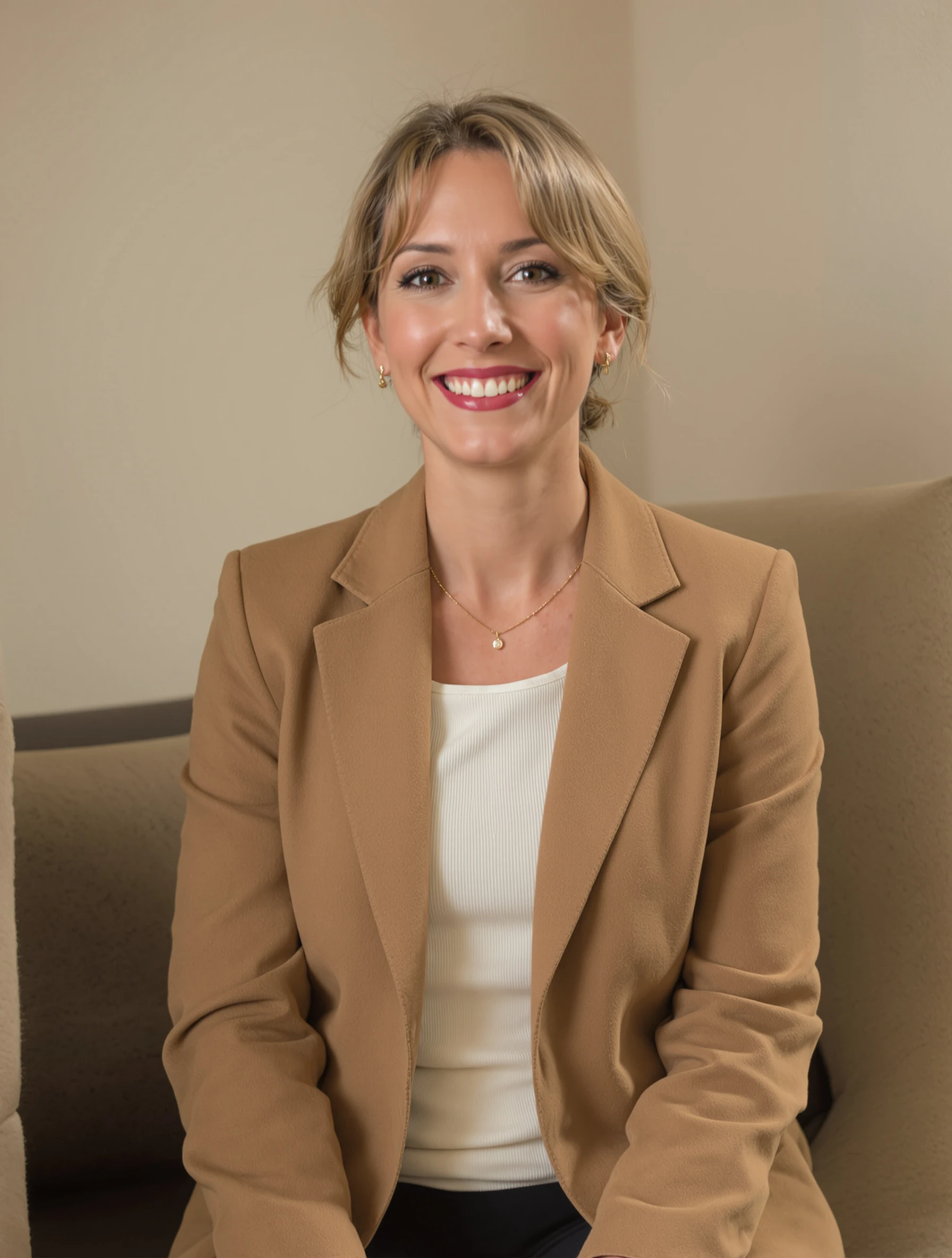






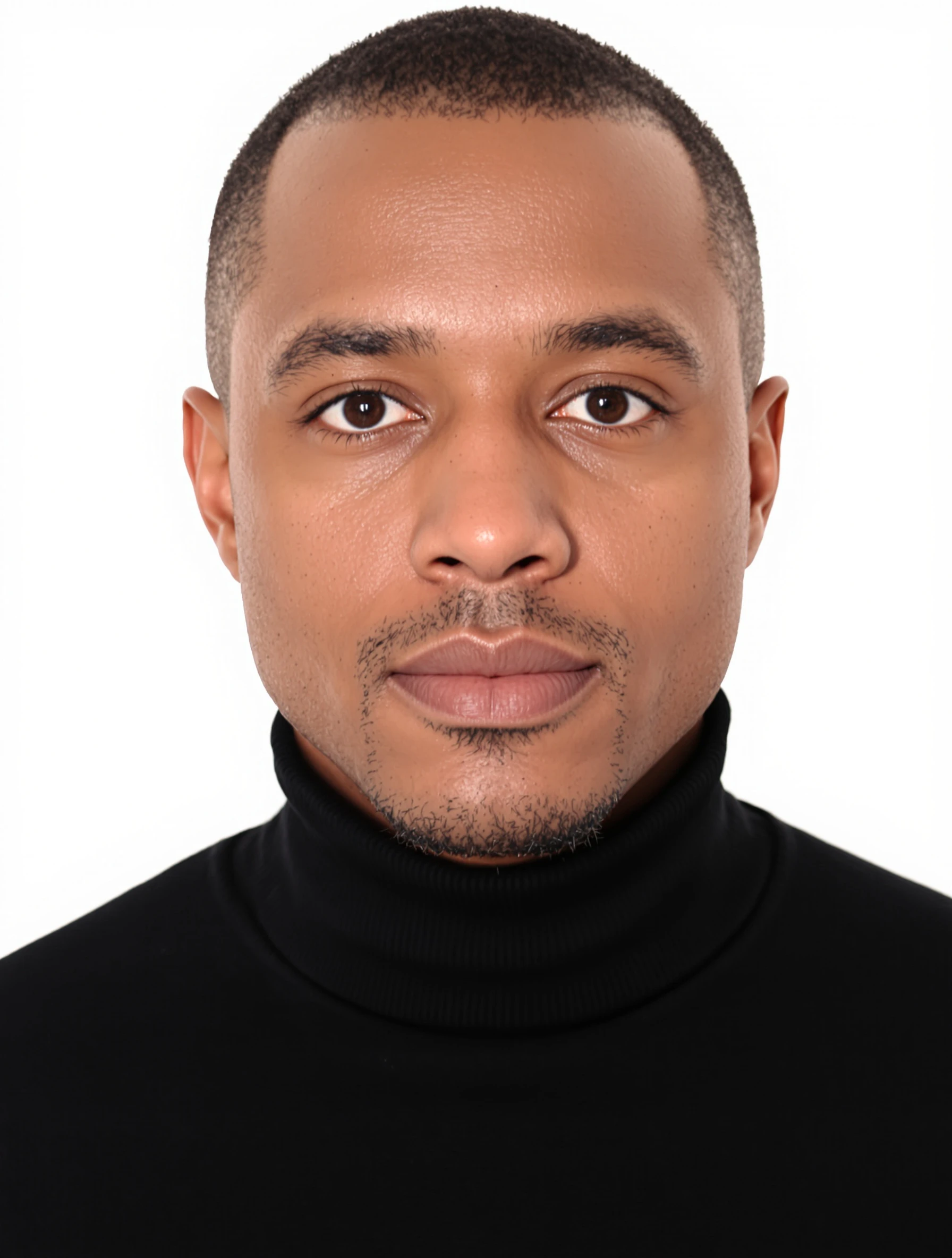








Colors that photograph well (and the ones that don't)
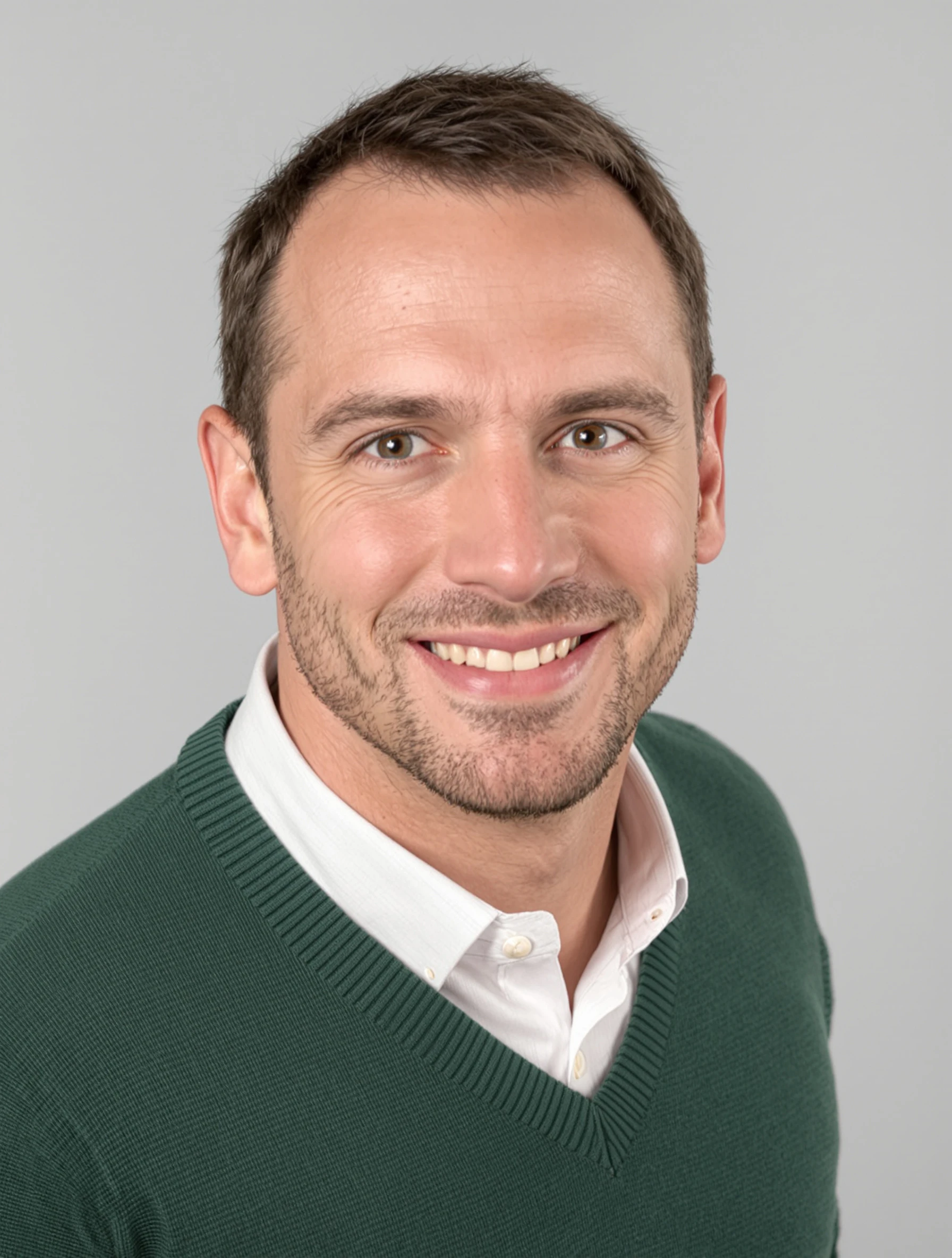
Mid-tone solids are the safe zone: navy, charcoal, forest green, burgundy, cobalt, camel, dusty rose, slate blue. They separate you from a neutral backdrop, hold detail in the fabric, and do not fight your skin tone. Jewel tones (emerald, sapphire, deep plum) add life to the frame and are the most common recommendation from studio photographers for a reason.
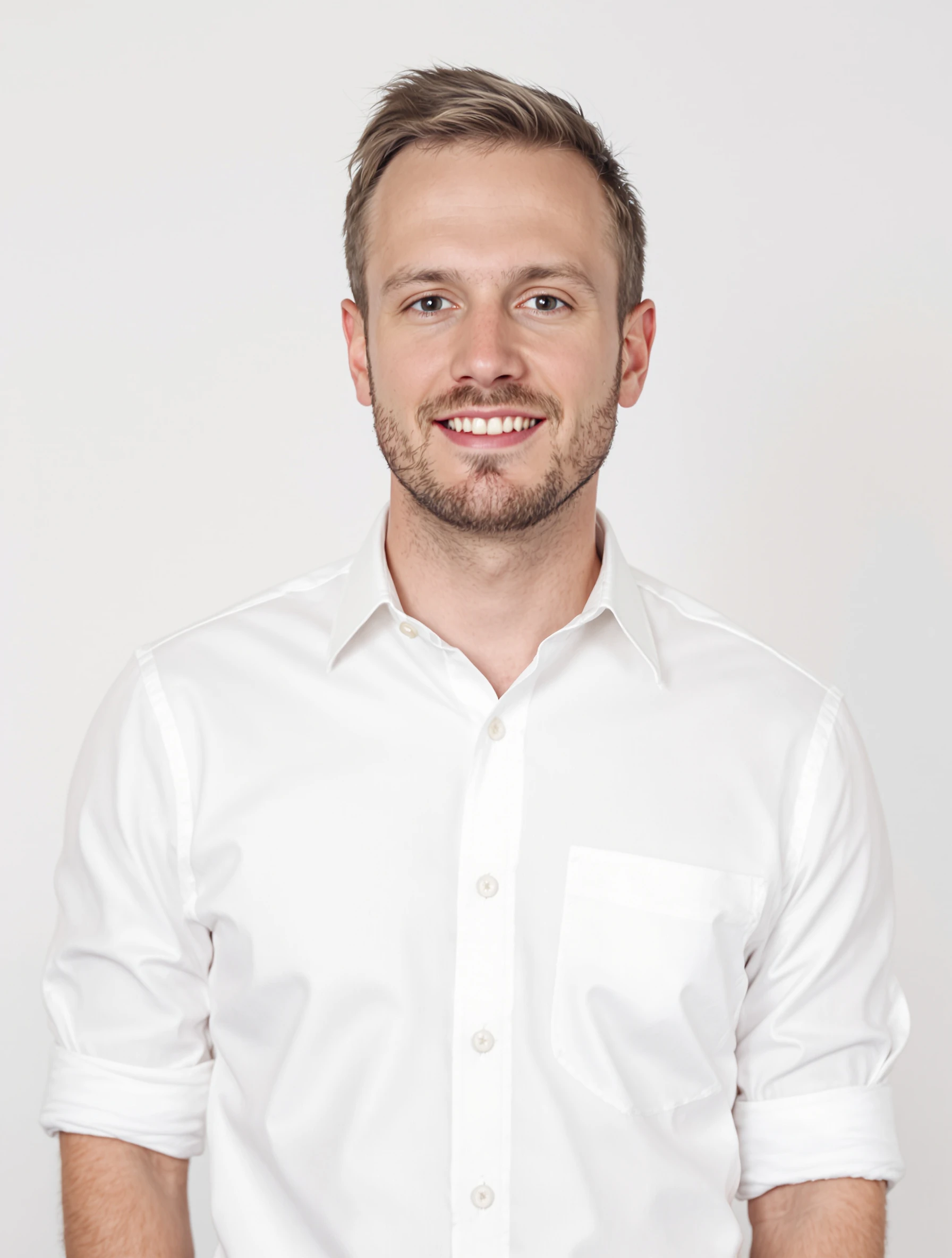
Avoid pure white on its own; it blows out under studio light and makes skin look ruddy by comparison. Use white as an under-layer beneath a blazer instead. Avoid neon and fluorescent colors, which bounce color onto your face. And avoid a color that matches the backdrop, or you will float as a disembodied head.
Black is fine but flattening. It removes all detail from the garment, so a black blazer over a black top becomes a single dark shape. If you wear black, break it with a lighter layer at the neckline.
- Best: navy, charcoal, forest green, burgundy, cobalt, camel, jewel tones
- Fine with care: black (add a lighter under-layer), white (only as a layer)
- Avoid: neon, fluorescent, tiny patterns, anything that matches the background
Patterns, textures and logos
Fine patterns (thin stripes, small checks, houndstooth) cause moiré, a shimmering interference effect that no editor can fully fix. Large, low-contrast patterns are usually fine but still pull attention from your face. Texture, on the other hand, is good: a knit sweater, a tweed blazer, a silk blouse all add depth without distraction.
No logos, slogans or visible brand names. Even a small embroidered polo logo reads as an advertisement in a tight crop.
Necklines: frame the face
The neckline is the most important decision in a headshot outfit because in a head-and-shoulders crop it is the only part of the outfit that is fully visible. A collared shirt, a crew neck under a blazer, a modest v-neck and a turtleneck all create a clean line that leads the eye up to the face.
Very low necklines and strapless tops can look like you are wearing nothing in a tight crop. Very high, tight collars shorten the neck. Boat necks widen the shoulders, which suits slim frames and not broad ones.
The blazer question
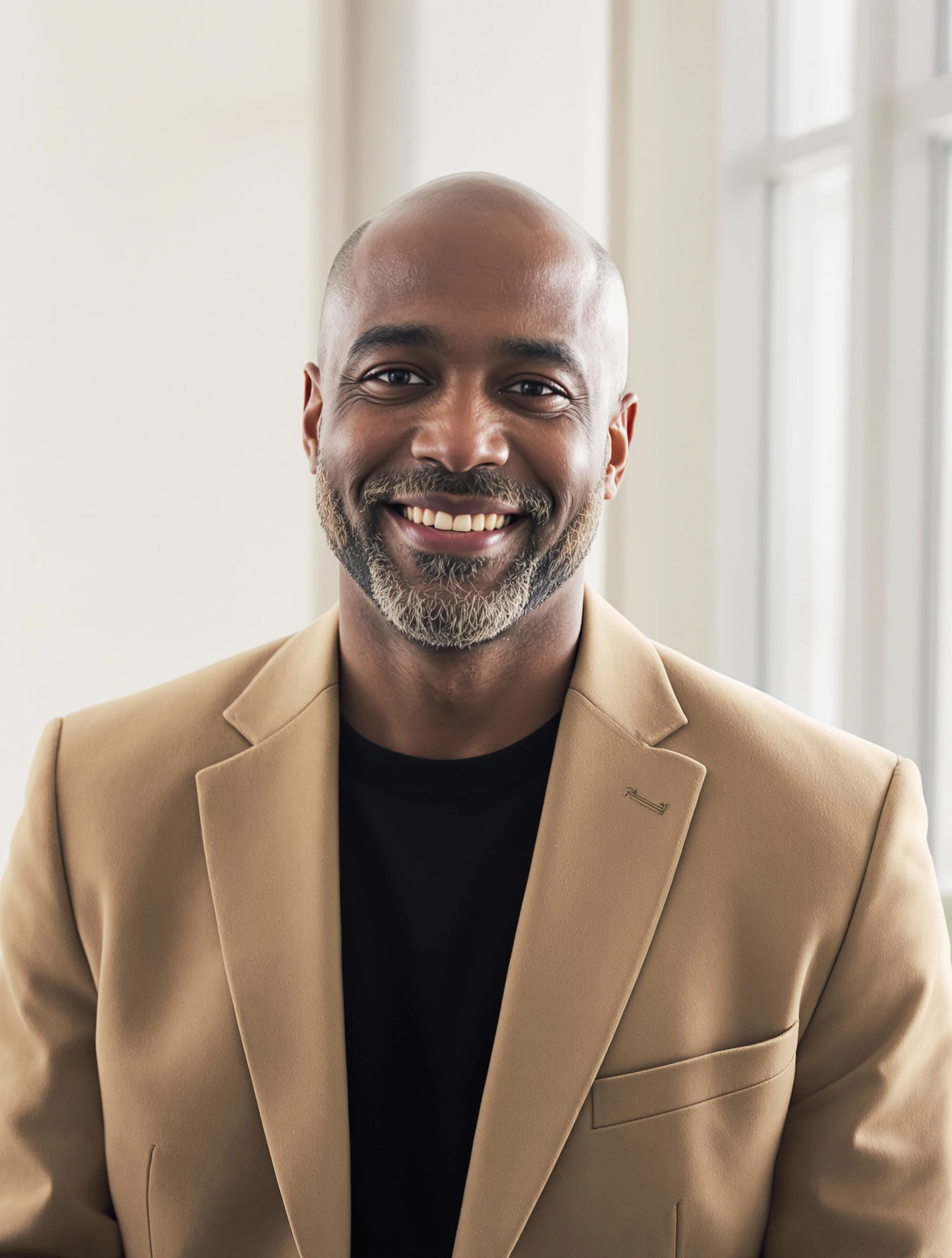
A blazer is the fastest way to make a headshot look intentional. It adds structure to the shoulders, creates a v-shape that frames the face, and signals effort. It does not have to be a suit jacket: an unstructured cotton or knit blazer over a t-shirt is the standard tech and startup headshot, and it reads modern rather than corporate.
Fit matters more than price. Shoulders should end where your shoulders end; a jacket that is too big makes you look like you borrowed it. If it pulls at the button when closed, wear it open.
Corporate headshots: law, finance, consulting
Stay conservative: a navy or charcoal suit jacket, a white or light blue shirt, and for men an optional slim tie in a muted color. Women can swap the shirt for a silk shell or a simple blouse. Minimal jewelry. Pocket squares are fine if they are plain. This is the one category where a full suit does not look overdressed.
Tech and startup headshots
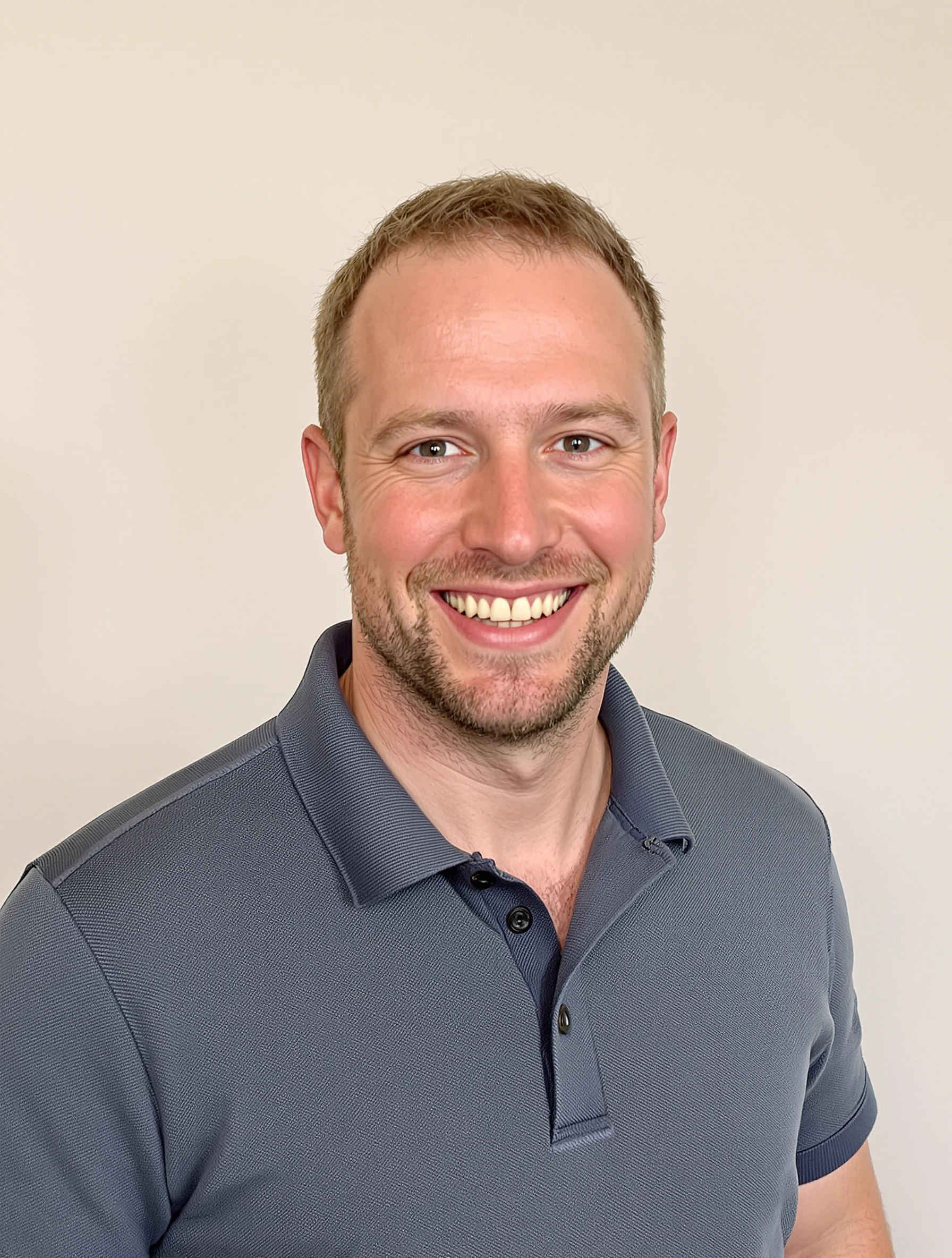
A plain crewneck t-shirt or a knit polo, in black, navy, grey or forest green, optionally under an unstructured blazer. Hoodies are common on team pages but photograph poorly (the hood bunches behind the neck), so save them for the About-page candid, not the headshot.
Healthcare headshots
Wear what patients will see you in. A white coat over a solid colored top, with a stethoscope if you actually use one, is instantly readable. Solid scrubs also work for nurses, dental and veterinary staff; choose a color that contrasts with the background. Keep the coat pressed and the name badge off (it dates the photo and can be read in a crop).
Real estate and sales headshots
Approachable and polished, one notch above what clients wear. A structured blazer in a color (cobalt, camel, burgundy) rather than black, an open collar, and a warm smile. Women in real estate often use a fitted sheath dress with a single statement necklace; it photographs well and stands out on a listing page full of navy suits.
Creative industry headshots
Designers, writers, marketers and photographers have room to show personality. A chambray or denim shirt with rolled sleeves, a textured cardigan, a turtleneck, or a bold color blazer all work. The rule that survives is still 'solid, fitted, no logos.' Personality should come from color and texture, not from graphics.
Academic and nonprofit headshots
A cardigan or soft blazer over a collared shirt is the classic look and it still reads as thoughtful and accessible. Glasses are fine (see below). Avoid the full suit unless you are in leadership; it can look like you are dressed for someone else's job.
What to wear for headshots: women
Structured layers photograph better than flowing fabrics in a tight crop. A blazer, a fitted knit, a silk blouse with some body, or a sheath dress all keep a clean line. Sleeves are safer than sleeveless because bare upper arms take up a surprising amount of a head-and-shoulders frame.
Jewelry: one focal piece at most. Small studs or hoops, a fine chain, or a single statement necklace, never all three. Anything that catches the light near your face will pull the eye off your eyes.
What to wear for headshots: men
The reliable options in order of formality: suit jacket with shirt and tie; blazer with open-collar shirt; blazer over a crewneck; collared shirt alone; crewneck alone. All work; pick the one that matches how you dress for the job. The most common mistakes are a shirt collar that is too loose (it gaps and looks sloppy) and a tie knot that is too big for the collar.
Shave or trim the day of, not the night before. Stubble reads as intentional only if it is even.
Glasses, hair and makeup
Glasses are fine and often expected if you wear them daily; a good photographer will angle the light to avoid reflections, and anti-glare lenses help. Clean them right before the shot.
Hair should be the way you normally wear it, done a bit more carefully. Makeup should be matte and slightly heavier than daily, because studio light flattens features. Avoid shimmer and anything with SPF, which flashes back white under strobes.
Match the outfit to the background
Light grey or white backdrop: wear mid or dark tones. Dark backdrop: wear mid or light tones, never black. Outdoor or office background: wear something that contrasts with the dominant color behind you (a navy blazer in front of brick, a camel one in front of greenery). If you are unsure, navy works against almost everything.
The 'never for headshots' list
- Thin stripes, small checks and any pattern smaller than a coin
- Logos, slogans and visible branding
- Pure white tops without a layer over them
- Neon colors and high-shine fabrics
- Hoodies, baseball caps and sunglasses on the head
- Chunky, reflective or noisy jewelry near the jawline
- Anything you have to keep adjusting; it will look wrong in half the frames
Try the outfits without buying them
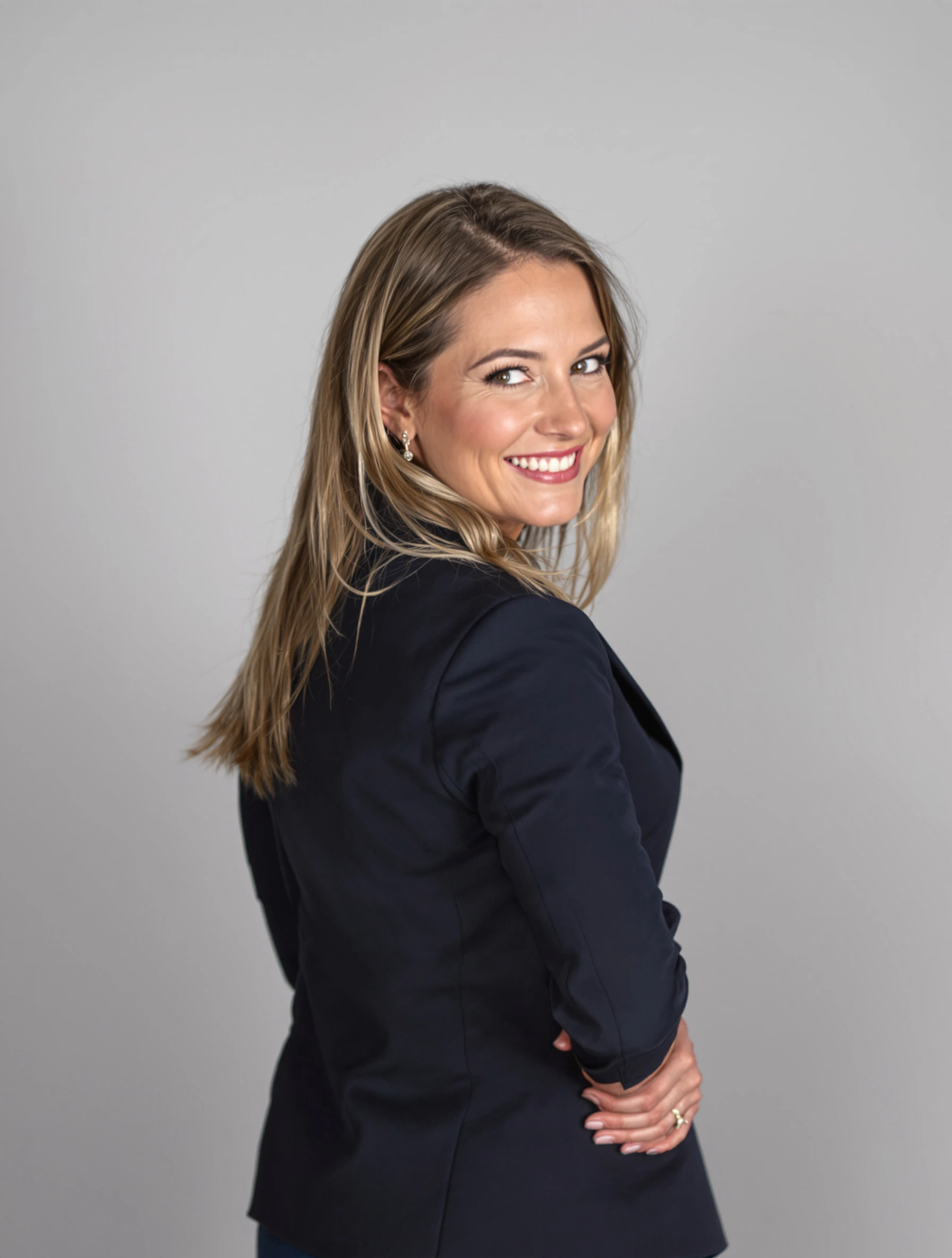
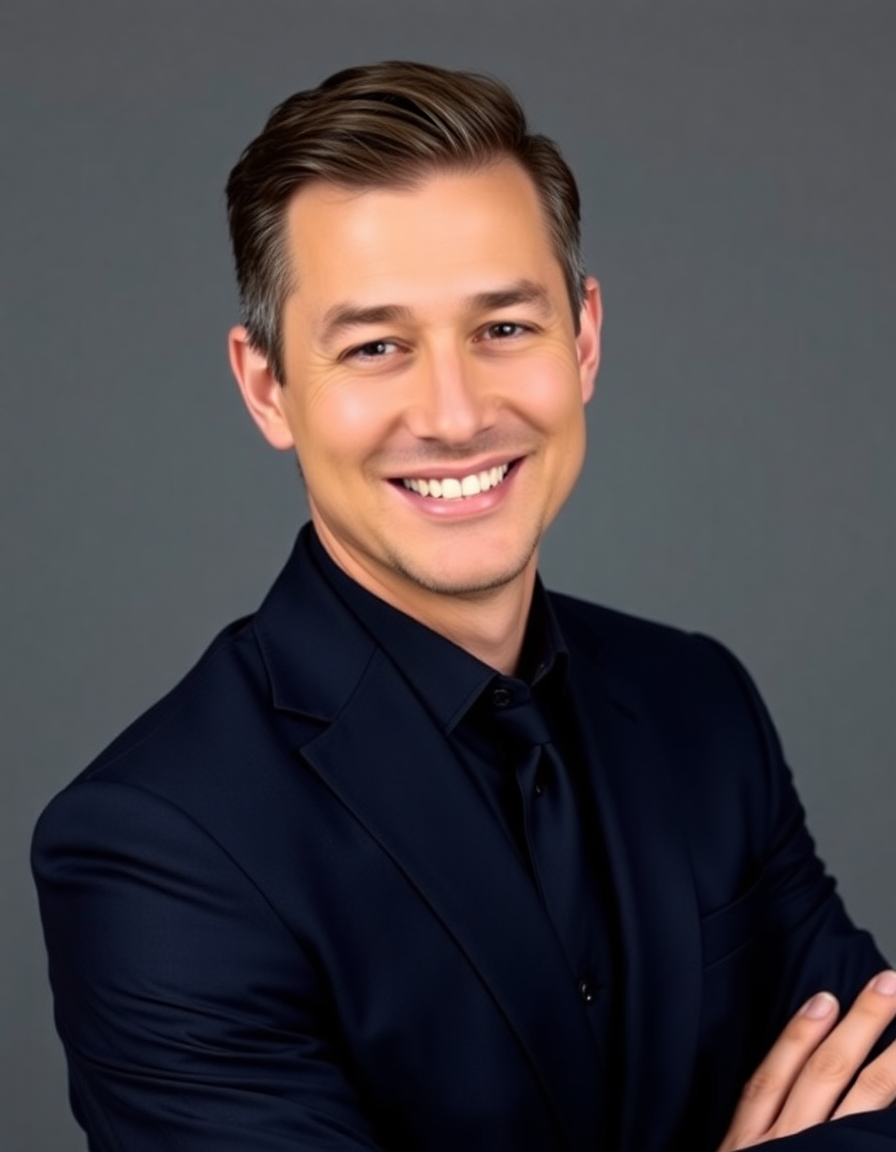
Every example on this page was generated with PixelPanda's AI headshot generator, which lets you choose the outfit, background and pose from a single reference selfie. If you are deciding between a navy blazer and a black turtleneck, generate both and compare, instead of shopping for a shoot you will do once.
Tips for What to Wear for Headshots
Solids in mid tones
Navy, charcoal, forest green, burgundy, cobalt and camel separate you from the backdrop and hold detail. Save white for an under-layer.
No fine patterns
Thin stripes and small checks cause moiré on camera. Texture (knit, tweed, silk) is good; pattern is a gamble.
Add a structured layer
A blazer or fitted jacket frames the face and squares the shoulders. Fit matters more than formality; wear it open if it pulls.
Mind the neckline
In a tight crop the neckline is the whole outfit. Collars, modest v-necks, crewnecks and turtlenecks all lead the eye up to the face.
One focal accessory
A single necklace or a pair of small earrings. Anything reflective near the jaw pulls attention off your eyes.
Contrast with the background
Dark tones on a light backdrop, mid tones on a dark one, and navy when you don't know. Never match the wall.
Frequently Asked Questions

See yourself in every outfit on this page
Upload one selfie and generate headshots in the blazer, color and background you are deciding between.
Get StartedAI Dating Photos
Create stunning dating profile photos with AI.
AI Headshots
Professional headshots for LinkedIn and business.
Photo Gallery
Browse thousands of AI-generated photos by category.
AI Product Photos
Studio-quality product photography with AI.
AI Headshot Generator
Browse more poses photos.
LinkedIn Headshots
Browse more poses photos.
AI Headshot Statistics
Browse more poses photos.