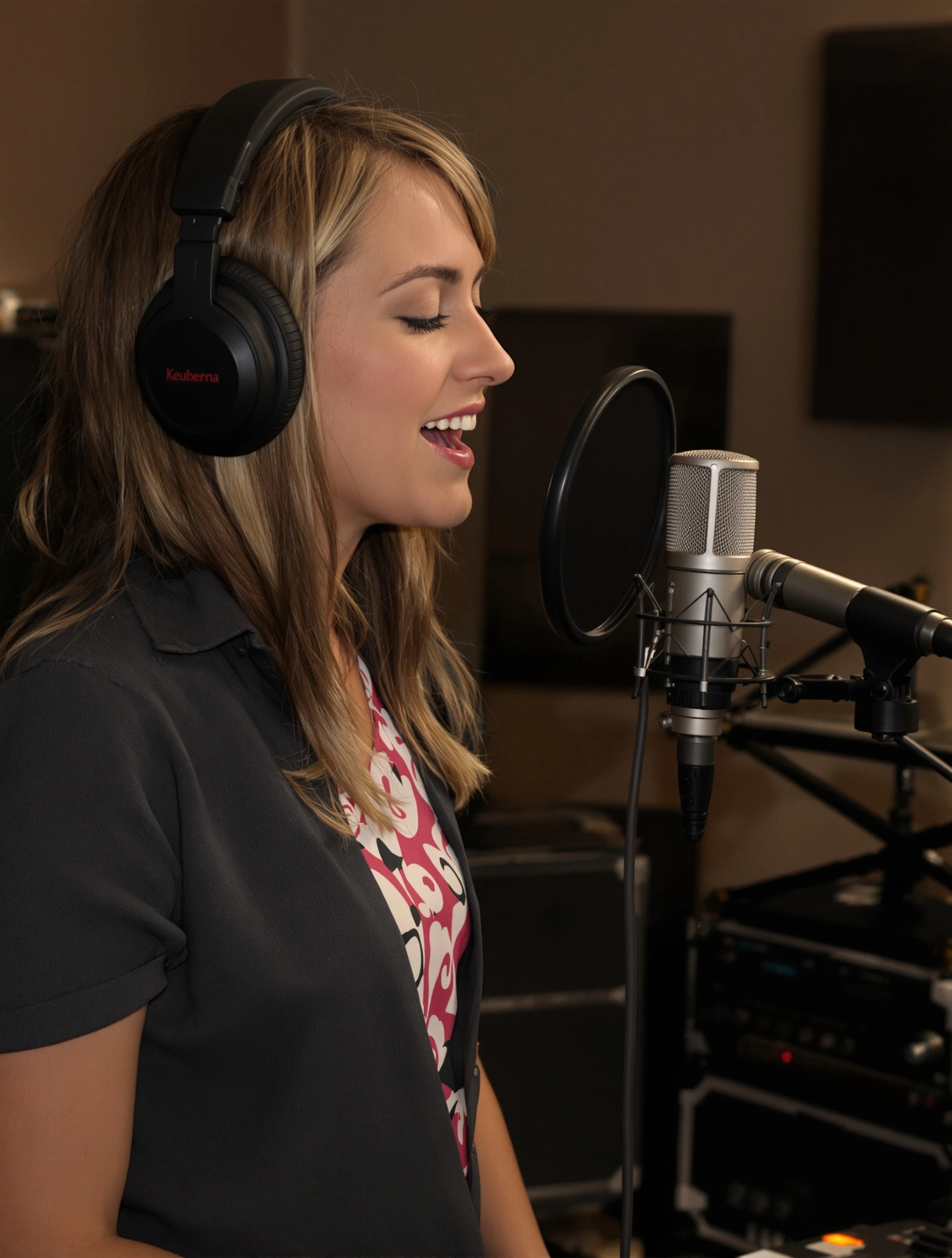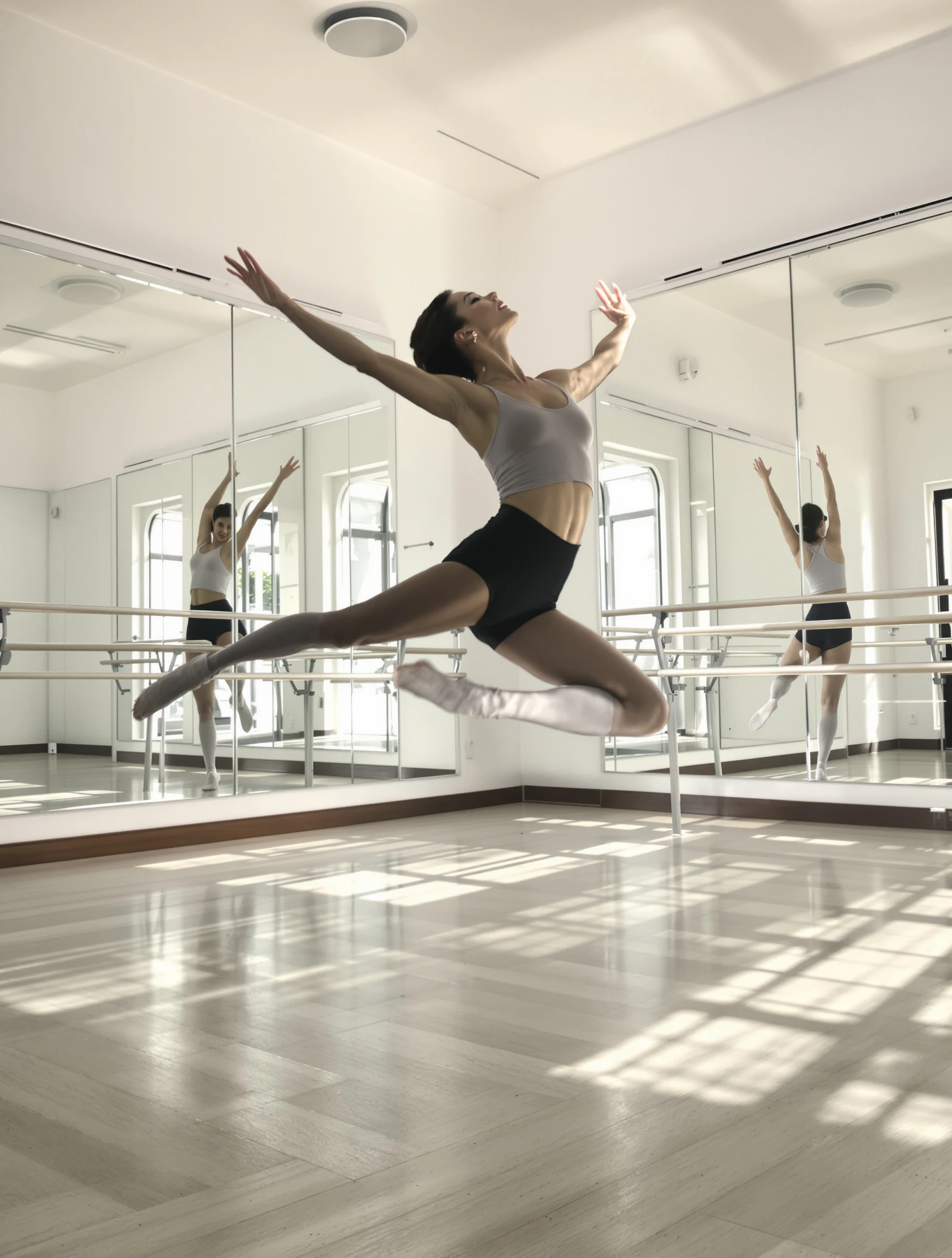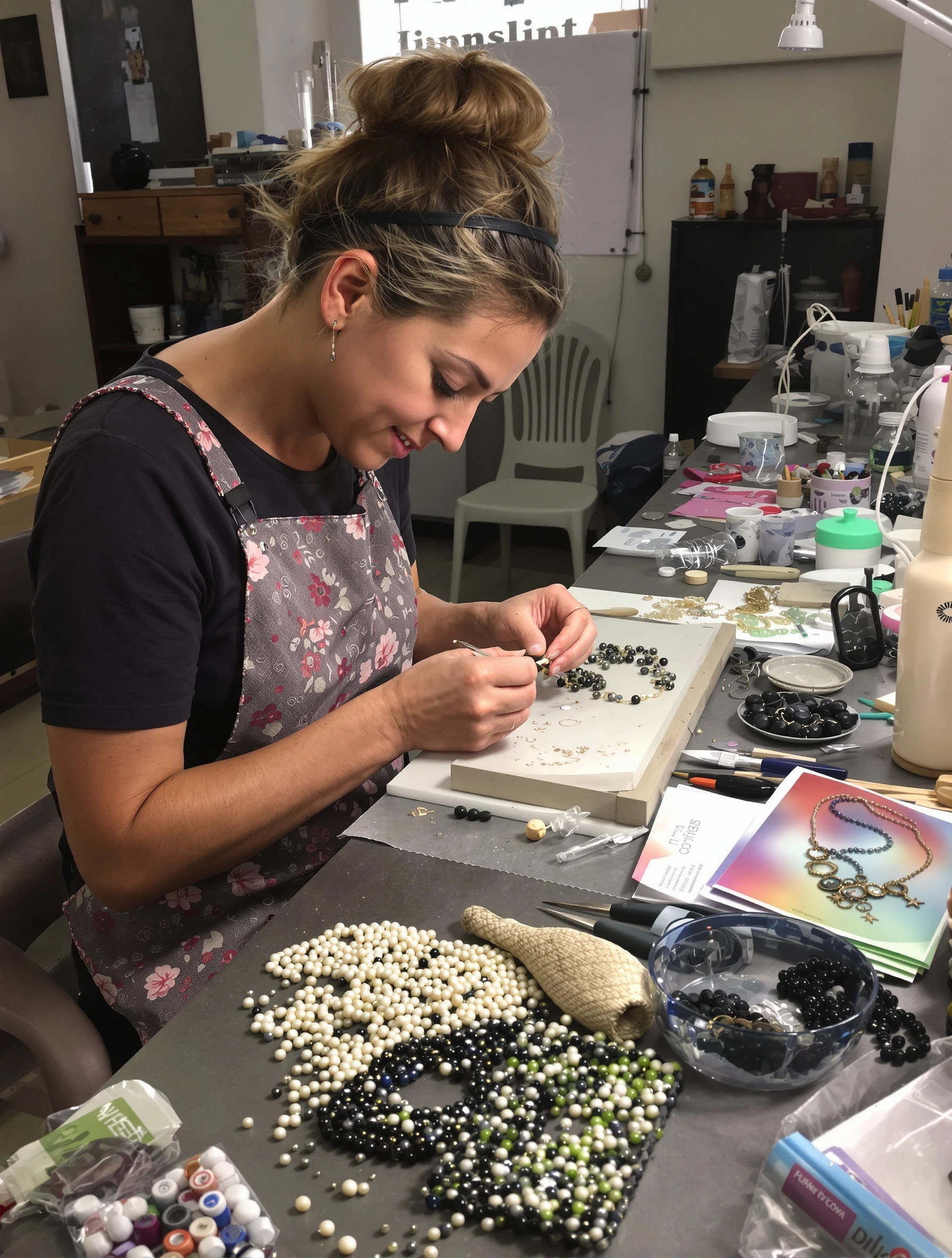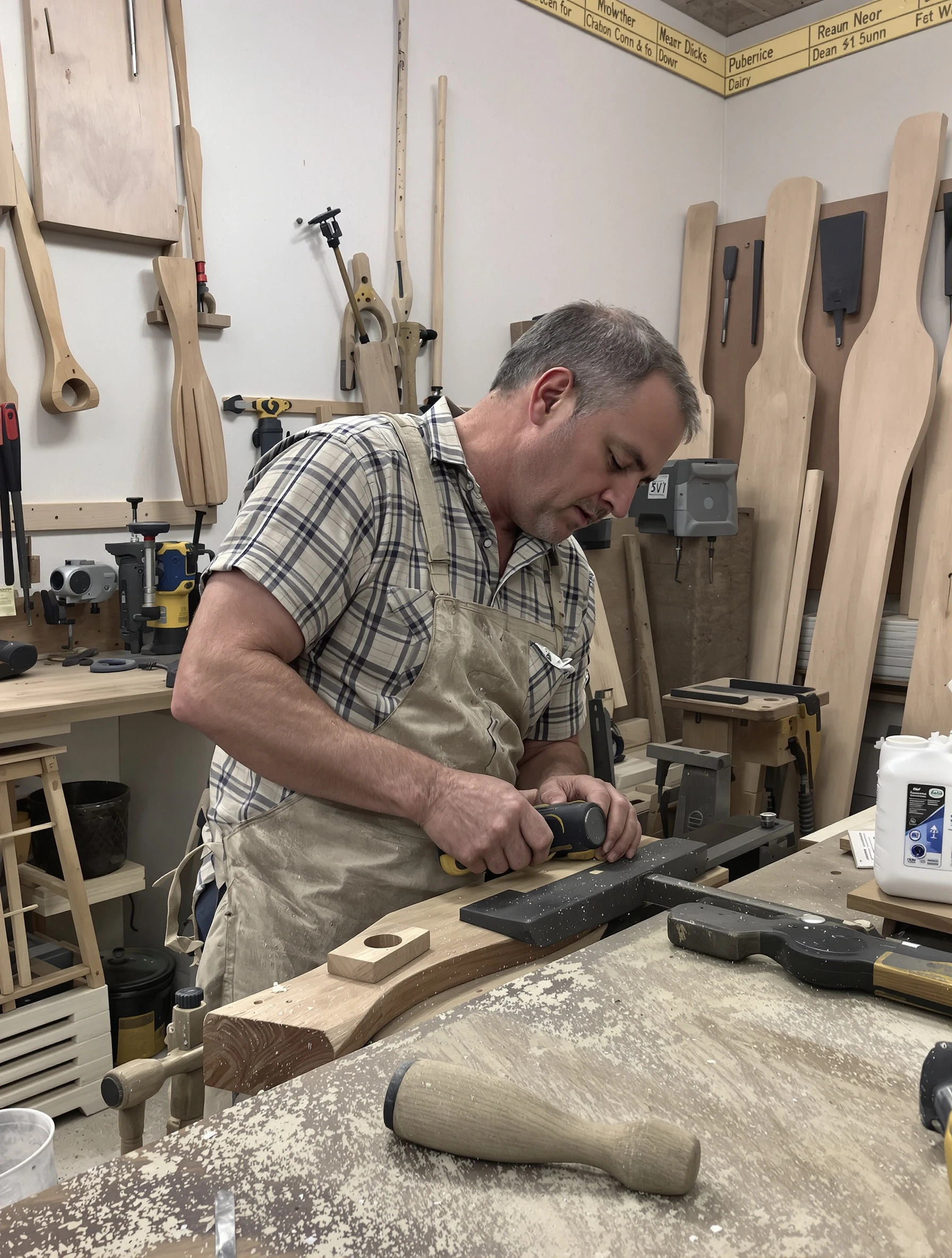
Man woodworking in workshop, crafting furniture with hand tools. Woodshop setting, sawdust and skill, traditional craft, making with hands.
Man woodworking in workshop, crafting furniture with hand tools. Woodshop setting, sawdust and skill, traditional craft, making with hands.
Free to Use (CC BY 4.0)
This AI-generated image is free for personal and commercial use. Just include a link back to PixelPanda.
Perfect For
About This AI-Generated Lifestyle Photo
On creative and artistic profiles, process beats product. A finished table on a white background says nothing about who built it, while this frame answers the question buyers keep asking: is a real person making this? It works as the header of an Etsy or Shopify about page, the opening slide of a furniture portfolio case study, a maker Instagram anchor, or the still behind a class listing. The averted gaze helps, since attention travels down the arms to the wood instead of stopping at the face.
To rebuild it, work near one side window in late afternoon and shoot across the light so dust reads. Skip the swept floor; a few shavings underfoot sell it. Swap the tool for whatever you actually use, a spokeshave, coping saw, or card scraper, because anyone in the trade spots a plane held backwards. Change the species to shift the mood: walnut for restrained luxury, white oak or pine for bright, approachable craft.
Tips for Lifestyle Photography
- Shoot across a side window rather than into it so airborne sawdust catches the light and reads as visible texture.
- Push sleeves above the elbow and let dust settle on forearms; spotless skin makes the workshop look borrowed.
- Hold the tool the way you truly work it, with the board clamped, since other woodworkers notice immediately.
- Leave one half-cut joint and loose shavings on the bench; a cleared surface removes the sense of work in progress.
Frequently Asked Questions
Should the woodworker look at the camera or at the work?
Looking down at the work, as here, reads as absorption and keeps the viewer's eye moving along the arms to the tool and the wood. Save direct eye contact for a separate headshot used on contact pages or interviews. Many makers post both: the working frame for storytelling, the eye-contact frame for trust.
How do you get sawdust to actually show up in the air?
It needs backlight or hard side light. Position so the light source is roughly across from the camera rather than behind it, then create dust just before the shot by planing, sanding, or blowing off the bench. Darker background surfaces make the suspended particles stand out far more than pale walls.
Does a cluttered workshop background hurt the photo?
Controlled clutter helps, because clamps, a pegboard of tools, and stacked offcuts all confirm the space is used. What hurts is unrelated mess: cardboard boxes, plastic bags, laundry, or a visible phone charger. Clear a shallow zone directly behind the subject, keep the working tools, and let depth of field soften the rest.
Technical Details
Hard side light from a shop window rakes across the bench and backlights suspended dust. Shallow depth of field softens the pegboard and clamps behind, framing is a medium three-quarter view, and the grade leans warm amber with deep corner shadow.