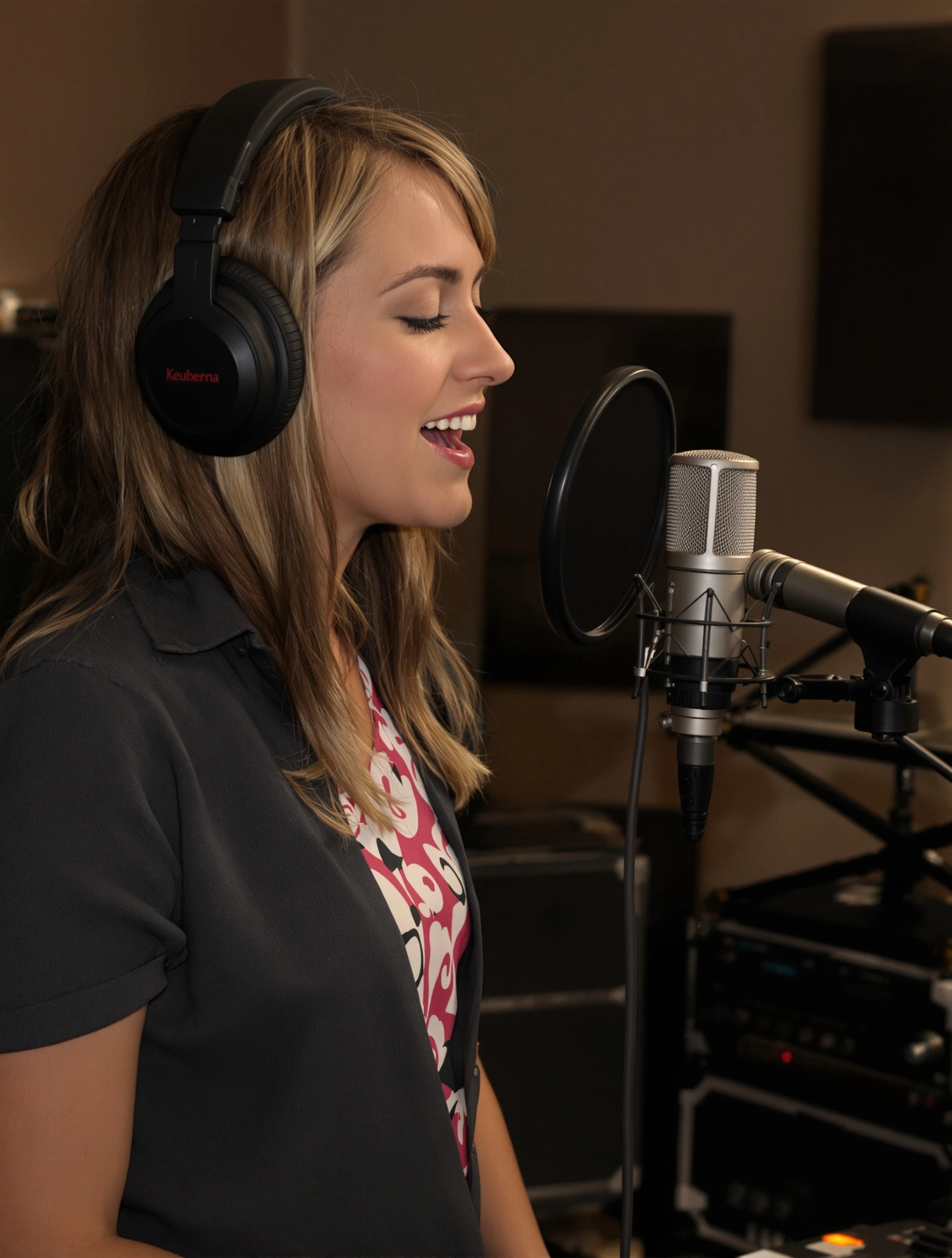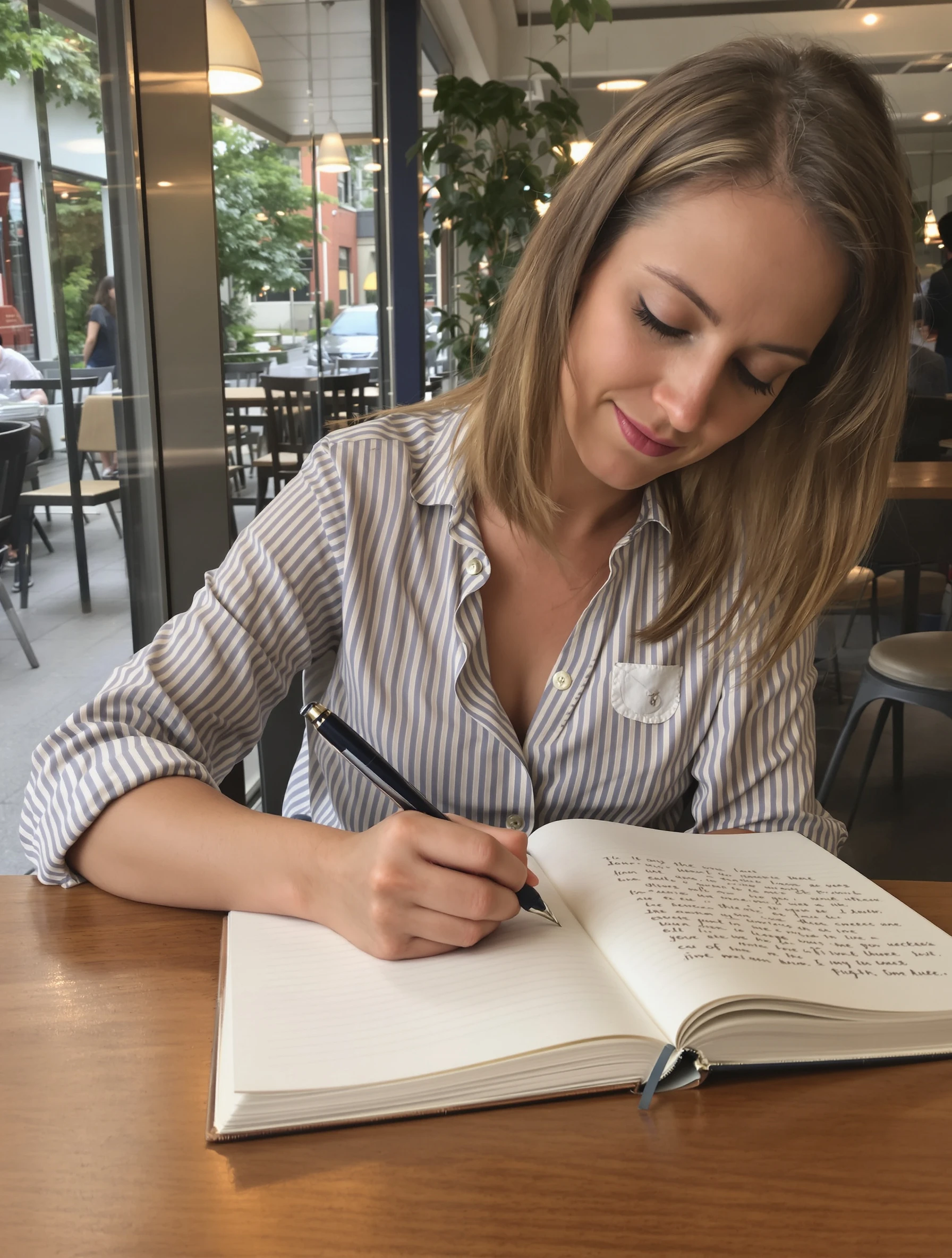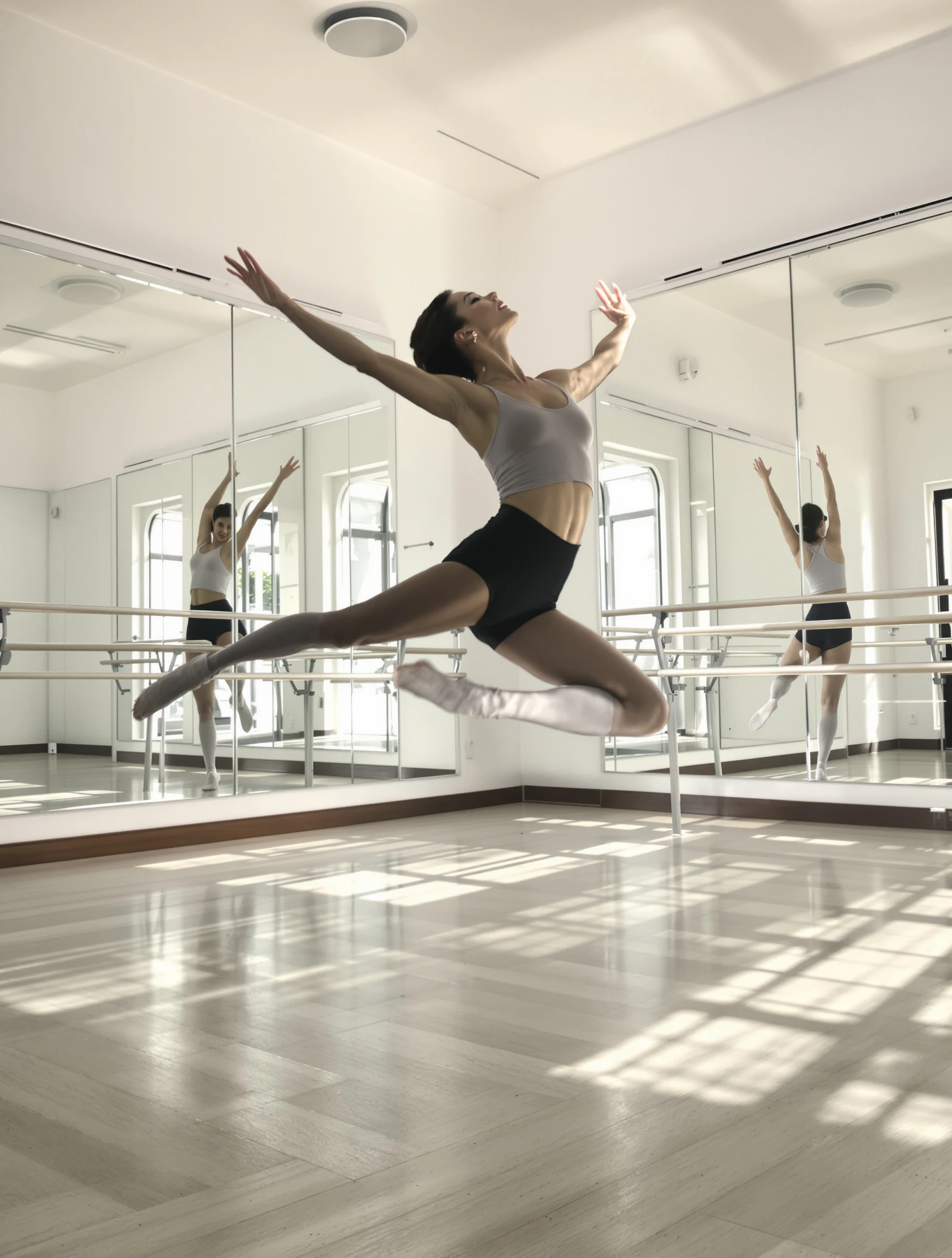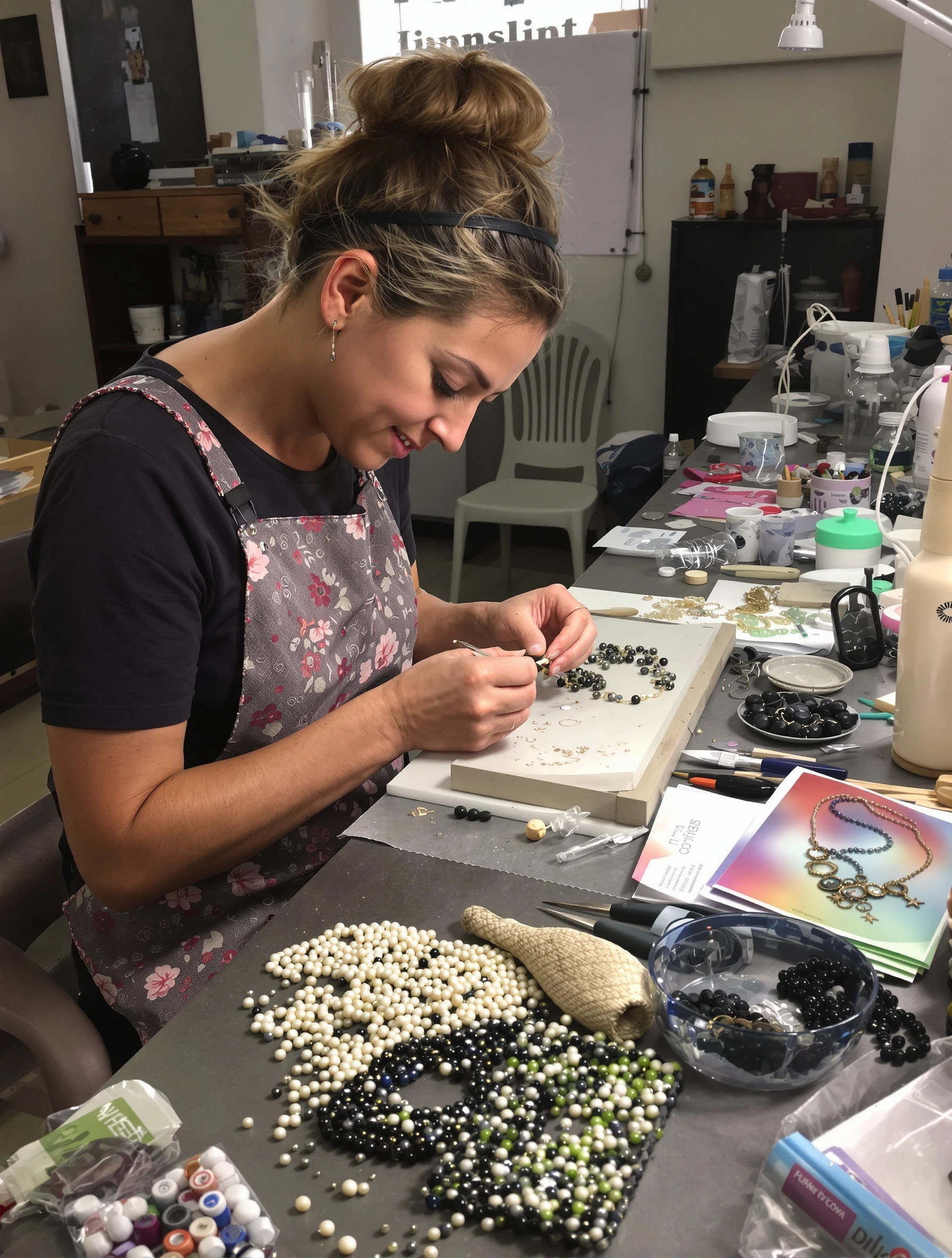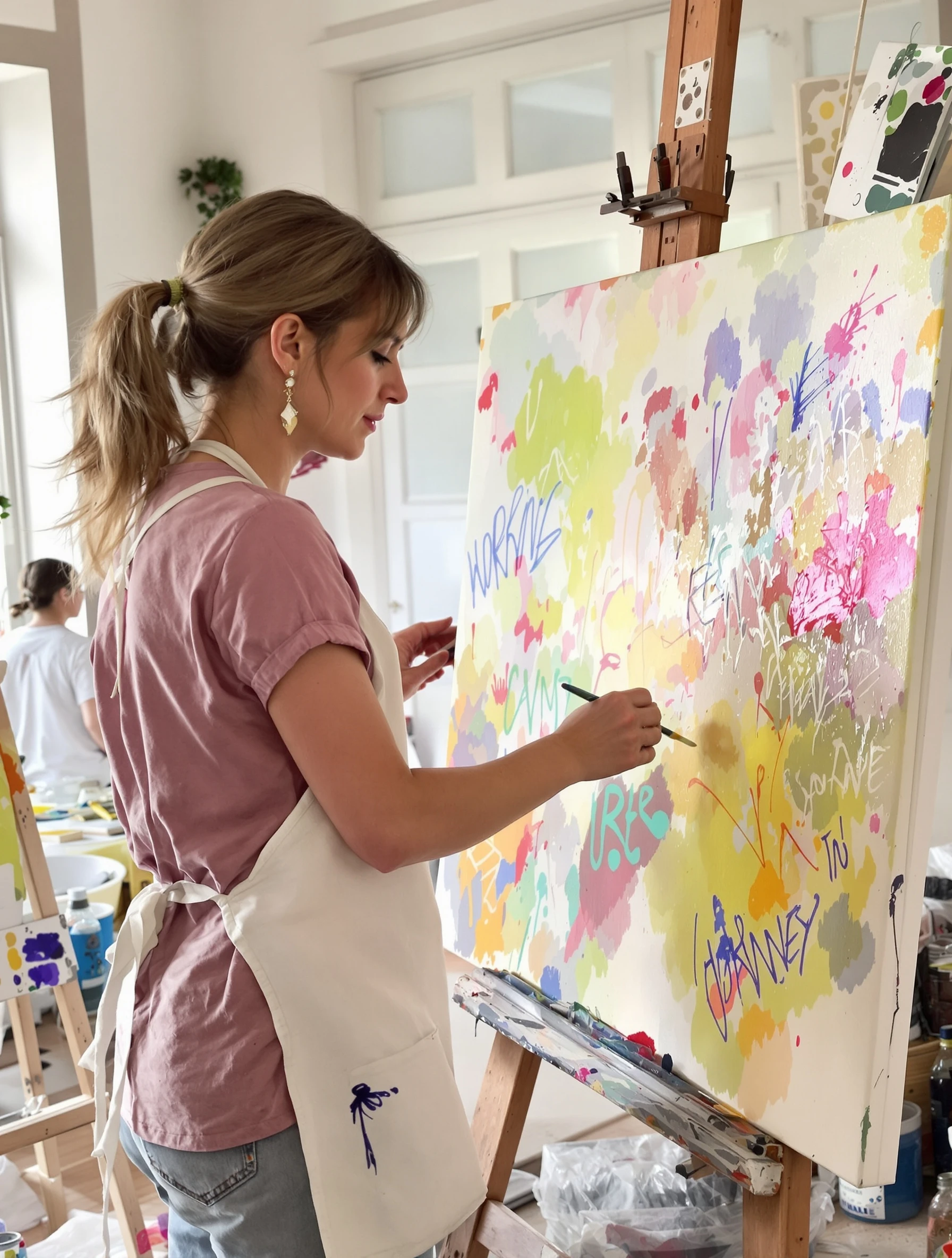
Woman painter working on large canvas in natural-lit studio, brush in hand. Artist smock over casual clothes, colorful palette, creative flow, artistic expression.
Woman painter working on large canvas in natural-lit studio, brush in hand. Artist smock over casual clothes, colorful palette, creative flow, artistic expression.
Free to Use (CC BY 4.0)
This AI-generated image is free for personal and commercial use. Just include a link back to PixelPanda.
Perfect For
About This AI-Generated Lifestyle Photo
For creative and artistic profiles, this beats a plain headshot because it shows the work happening. On a portfolio landing page, an Etsy shop about section, or a Patreon banner, viewers immediately understand scale, medium, and working method. The visible mess is a credibility signal: collectors and students read a stained smock as evidence of hours logged.
To adapt it, swap the medium and let the props follow. A ceramicist gets a wheel and clay-dusted apron, a printmaker gets a brayer and inked plate. Change the canvas size to match your actual output, and keep the light source on the work surface rather than the face if you want the piece to lead.
Tips for Lifestyle Photography
- Keep the palette colors matching the canvas so the scene reads as one real session, not staged props.
- Let the smock show genuine stains at the cuffs and belly; a clean apron undercuts the working-artist impression.
- Position the window so light lands on the canvas face, not just the subject's cheek.
- Hold the brush loosely mid-stroke rather than presenting it to camera; the hand should look busy, not posed.
Frequently Asked Questions
Should an artist profile photo show my face or my work?
Show both, weighted toward the work. In this frame the canvas occupies real space and the subject is turned partly away, so the impression is craft first, personality second. If you sell finished pieces, lean further toward the canvas. If you teach workshops or take commissions, turn the face more toward camera so students can recognize you.
Why is this rendered in a painterly style instead of looking like a photograph?
The brushy treatment lets the portrait share a visual language with the painter's own medium, which reads as intentional on a gallery bio or artist website. Soft edges and broken color also forgive background clutter that a sharp photograph would emphasize. For press kits or press-facing bios, a cleaner photographic look is usually the safer choice.
What should be visible in the studio background?
Enough to establish the room and nothing that competes. Here the back of the studio stays dim, so a stacked canvas or a jar of brushes registers without pulling focus. Avoid readable text, unfinished commissions you cannot show publicly, and personal items. Sweep the floor in the lit area only; the shadows handle the rest.
Technical Details
Soft directional daylight from a tall side window, wrapping the face and lighting the canvas face while the studio interior falls off into shadow. Waist-up framing with shallow separation from the background, warm neutral palette, and visible brushwork texture throughout.