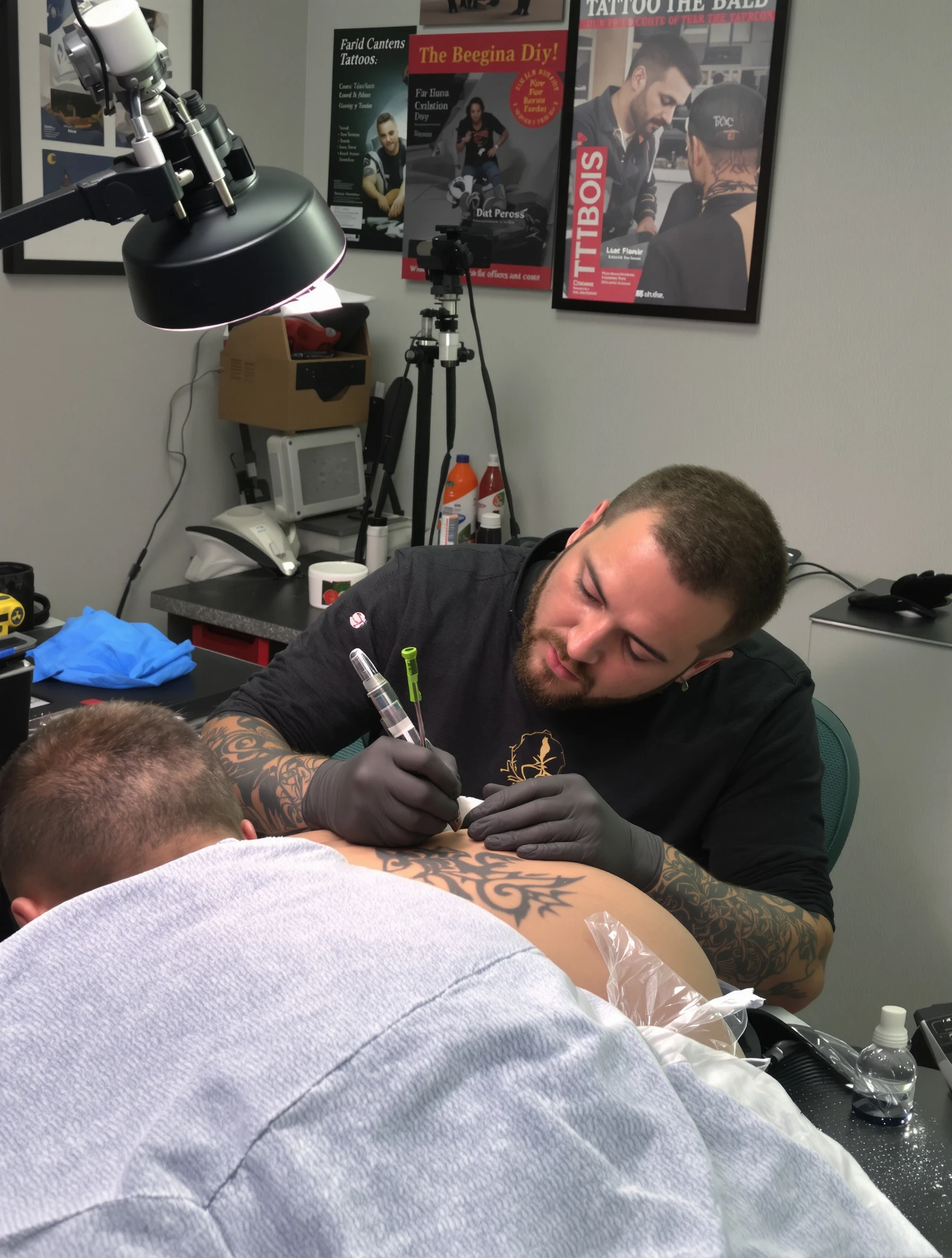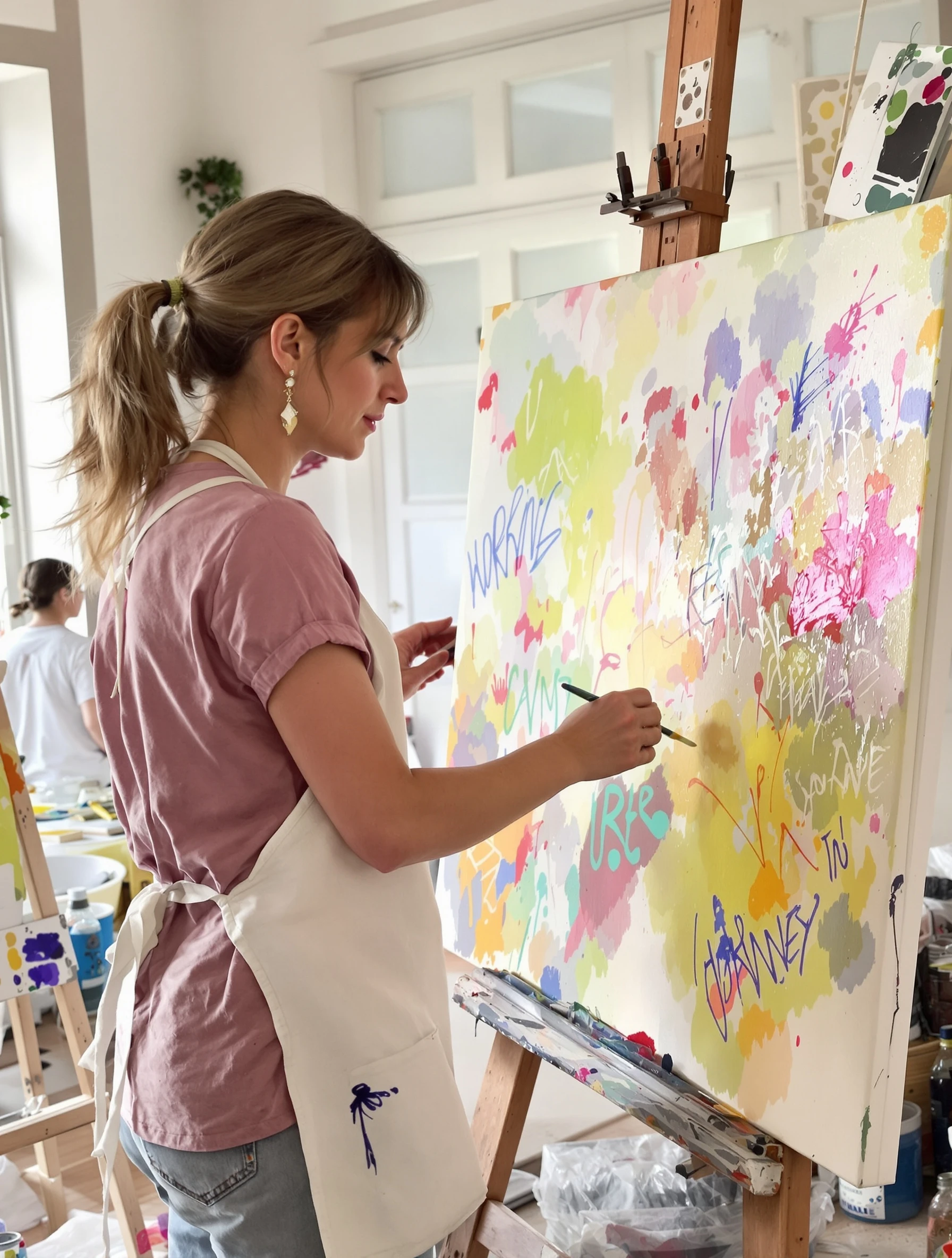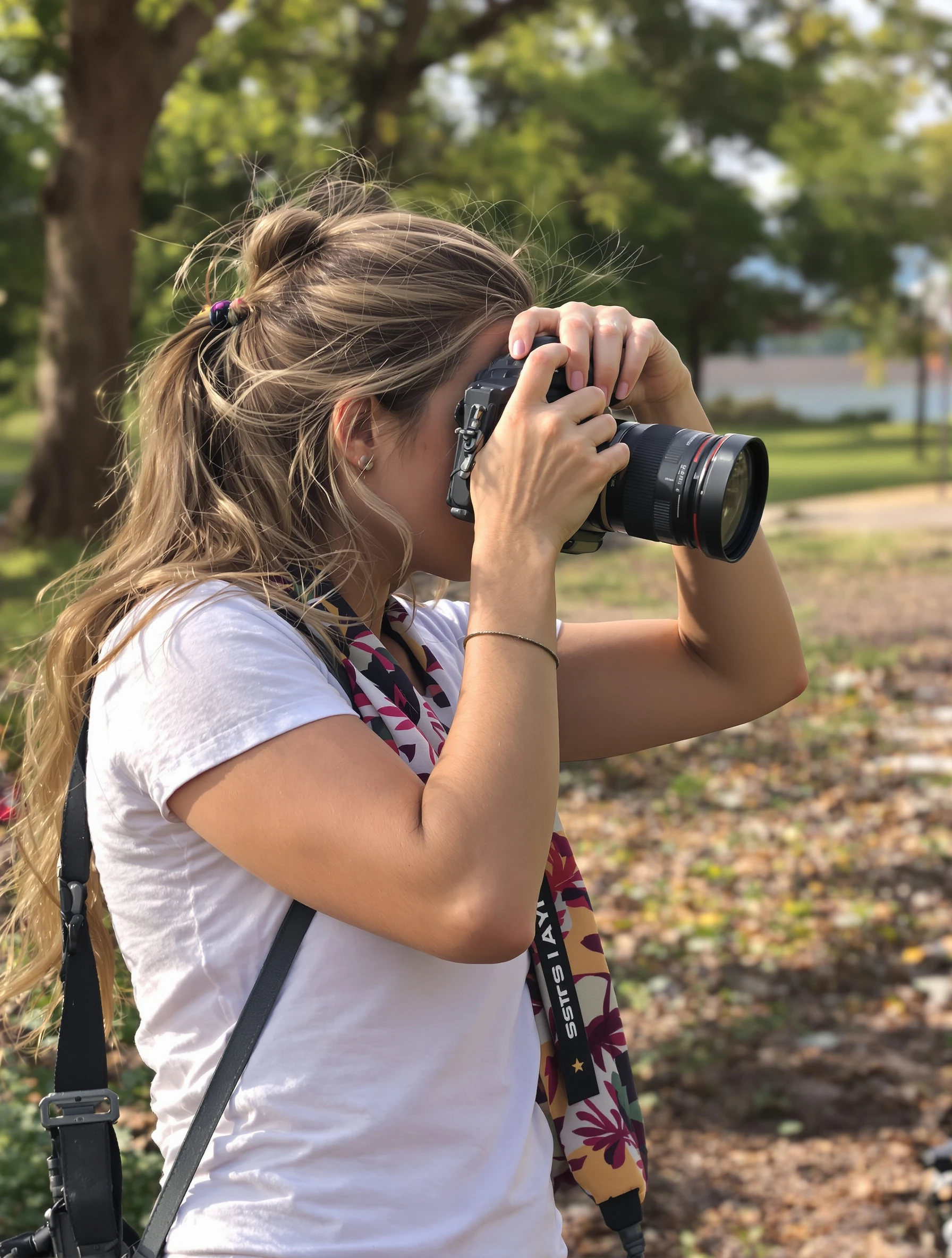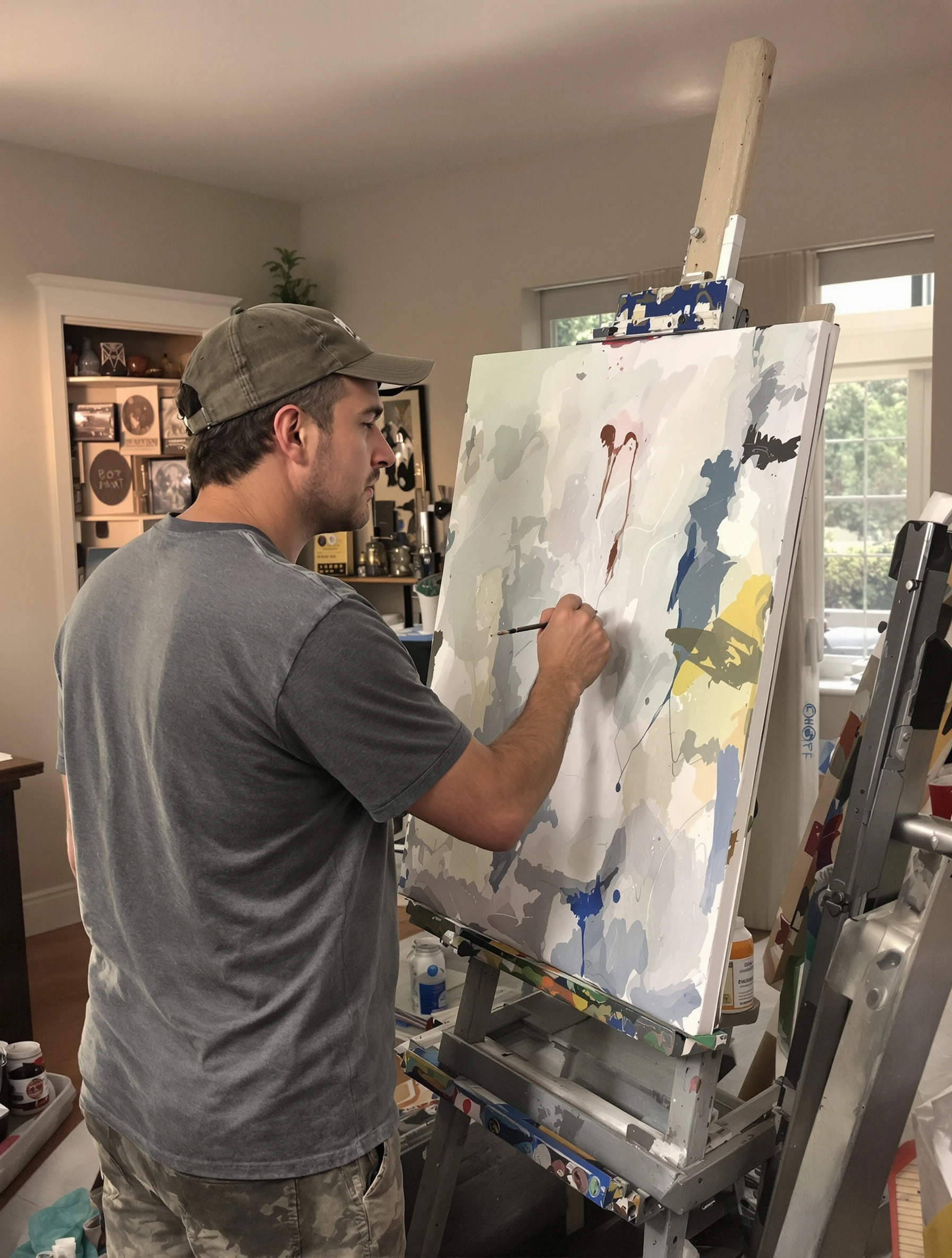
Man painting at easel in home studio, abstract work in progress. Artist casual, creative expression, color and form, artistic vision.
Man painting at easel in home studio, abstract work in progress. Artist casual, creative expression, color and form, artistic vision.
Free to Use (CC BY 4.0)
This AI-generated image is free for personal and commercial use. Just include a link back to PixelPanda.
Perfect For
About This AI-Generated Lifestyle Photo
For a creative artistic profile, process beats polish. Viewers on portfolio sites, artist bios, and workshop pages want proof of practice, and a half-finished canvas gives them that immediately. The painterly rendering also reinforces the subject: brushwork in the image itself echoes brushwork in the scene, which reads as intentional on an art-focused page instead of accidental. The off-camera gaze keeps the artwork as co-subject and leaves headroom for headline text.
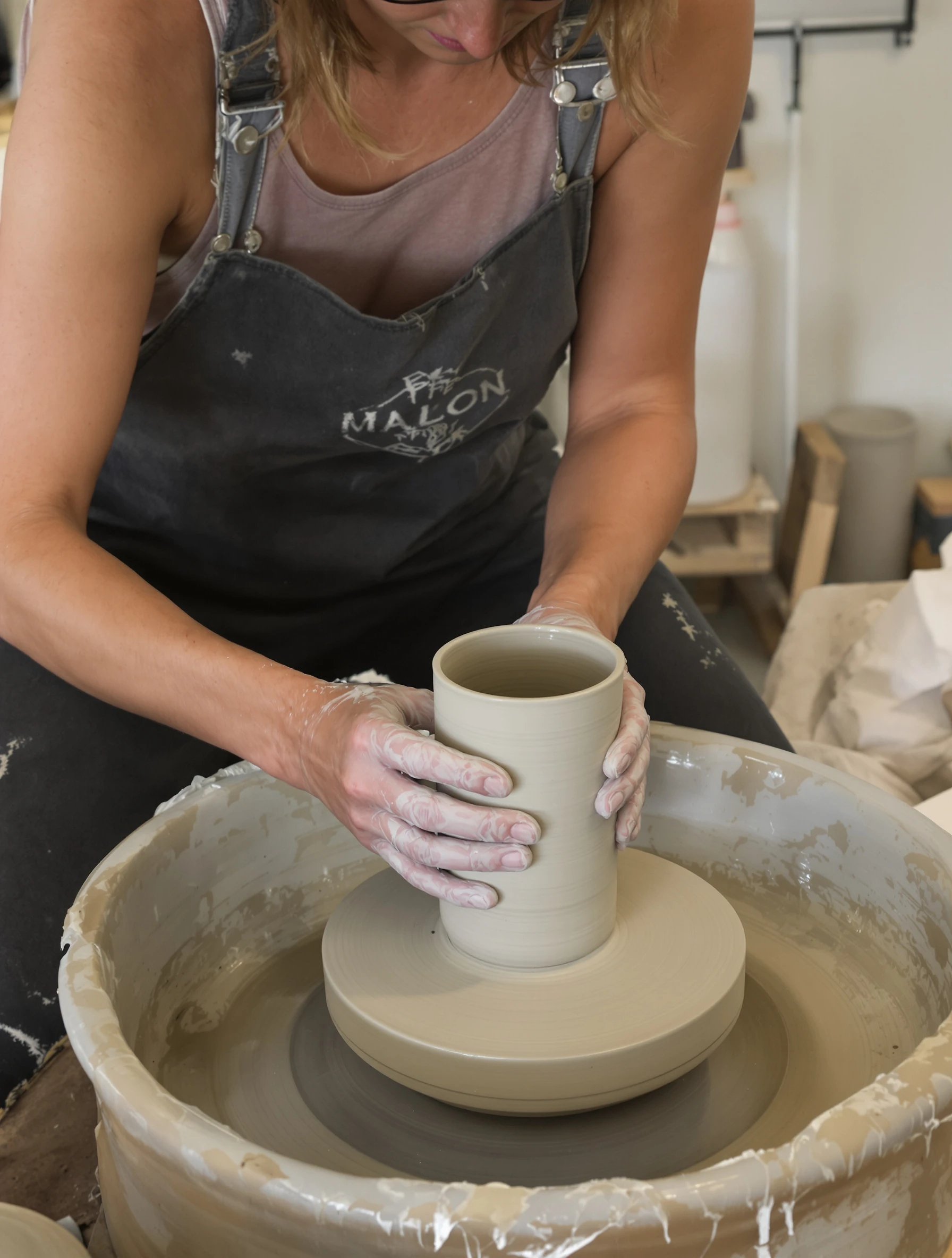
To adapt it, swap the abstract canvas for whatever you actually make: a portrait underpainting, a botanical study, a mural sketch. Change the medium cues too, replacing oil jars with watercolor pans or gouache tubes. Sculptors and ceramicists can keep the same posture and side light while trading easel for wheel or workbench.
Tips for Lifestyle Photography
- Keep the canvas visibly unfinished, with bare ground showing, so the scene reads as working session rather than reveal.
- Wear a shirt with real paint marks at cuffs and hem; pristine clothing undercuts the studio story instantly.
- Angle the easel so the palette and canvas both stay visible, not blocked by the painting arm.
- Look at the canvas, not the lens, and leave headroom above the easel for headline or logo text.
Frequently Asked Questions
Should the painting on the easel be finished or in progress?
In progress works better for artist profiles. A finished piece pulls attention away from you and turns the photo into a product shot. Visible underlayers, bare canvas, and a loaded brush tell viewers you are mid-process, which is what workshop pages, commission inquiries, and about sections are trying to establish.
Can I match the abstract canvas to my own painting style?
Yes, and you should. Describe your actual medium and marks: thin washed layers for watercolor, thick impasto ridges for oil, flat opaque shapes for gouache. Mention subject too, whether that is figure study, landscape blocks, or geometric abstraction. Matching the canvas to your real portfolio keeps the image credible for anyone who then clicks through.
Why is the image rendered in a painterly style instead of photorealistic?
Visible brushwork in the rendering mirrors the brushwork in the scene, so the treatment feels deliberate on an art-focused page. It also softens likeness pressure, which helps if you want a studio image without a full photo shoot. For press kits or gallery submissions requiring documentary photos, request a photographic treatment instead.
Technical Details
Soft directional daylight from the side models the face and rakes across wet paint on the canvas. Medium framing includes easel and palette, with a shallow falloff softening studio clutter behind and warm, pigment-led color throughout.